Europe furious as Finland and Norway break convention by speaking directly to Putin


The move attracted criticism from the Danish prime minister, who urged Europe to ‘stick together’ on Ukraine
European leaders have responded with fury after the leaders of Norway and Finland broke convention to speak directly to Vladimir Putin on Tuesday.
Finnish president Alexander Stubb and Norwegian prime minister Jonas Gahr Stoere held “frank and substantive” talks with the Russian president in a bid to influence the Kremlin’s position as the conflict in Ukraine rages on.
But the move attracted criticism from their Nordic counterparts including Danish prime minister Mette Frederiksen as they urged Europe’s leaders to “stick together” on Ukraine.
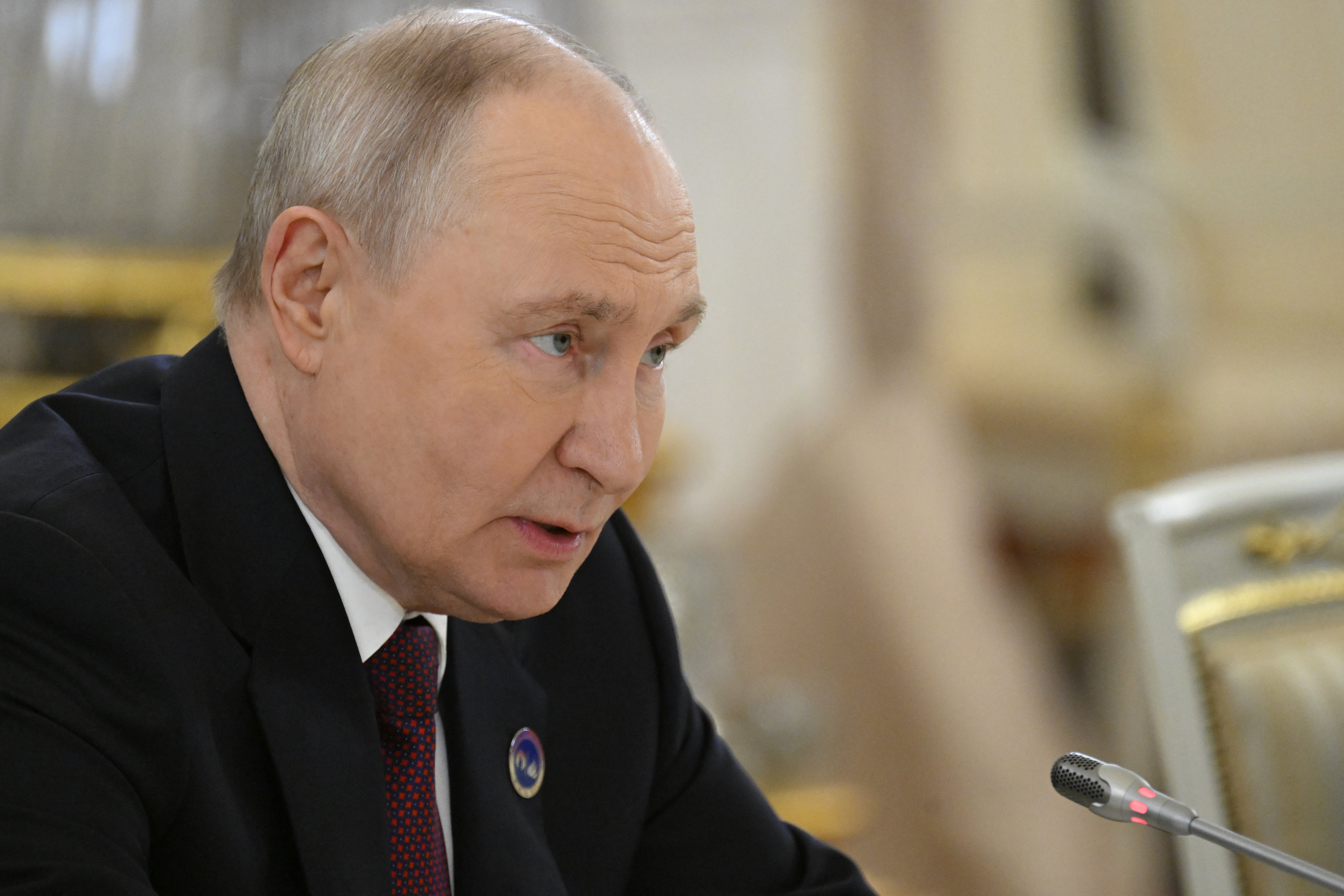
In a joint statement, Stoere said he and Stubb had spoken to Putin for about 90 minutes, and linked the initiative to planned peace discussions between Russian, Ukrainian and US officials in Abu Dhabi next month. The discussions will be their first since February.
They said they had then spoken to Ukrainian President Volodymyr Zelensky as Ukrainian foreign minister Andrii Sybiha confirmed the call had been coordinated with Kyiv, calling it "the right approach".
"We welcome such active support for our diplomatic efforts and peace process," he said, adding that he also hoped a local ceasefire around the Russian-occupied town of Oleshky could "pave the way to other steps in the peace process."
"The discussion was frank and substantive,” Stubb said. “We are neighbouring countries to Russia. The outcome of this war will have a direct impact on our and the broader European security. Ending the war requires direct discussions.”
Stoere said he and Stubb had "stressed the importance of de-escalation,” and that both had voiced strong support for Ukraine.
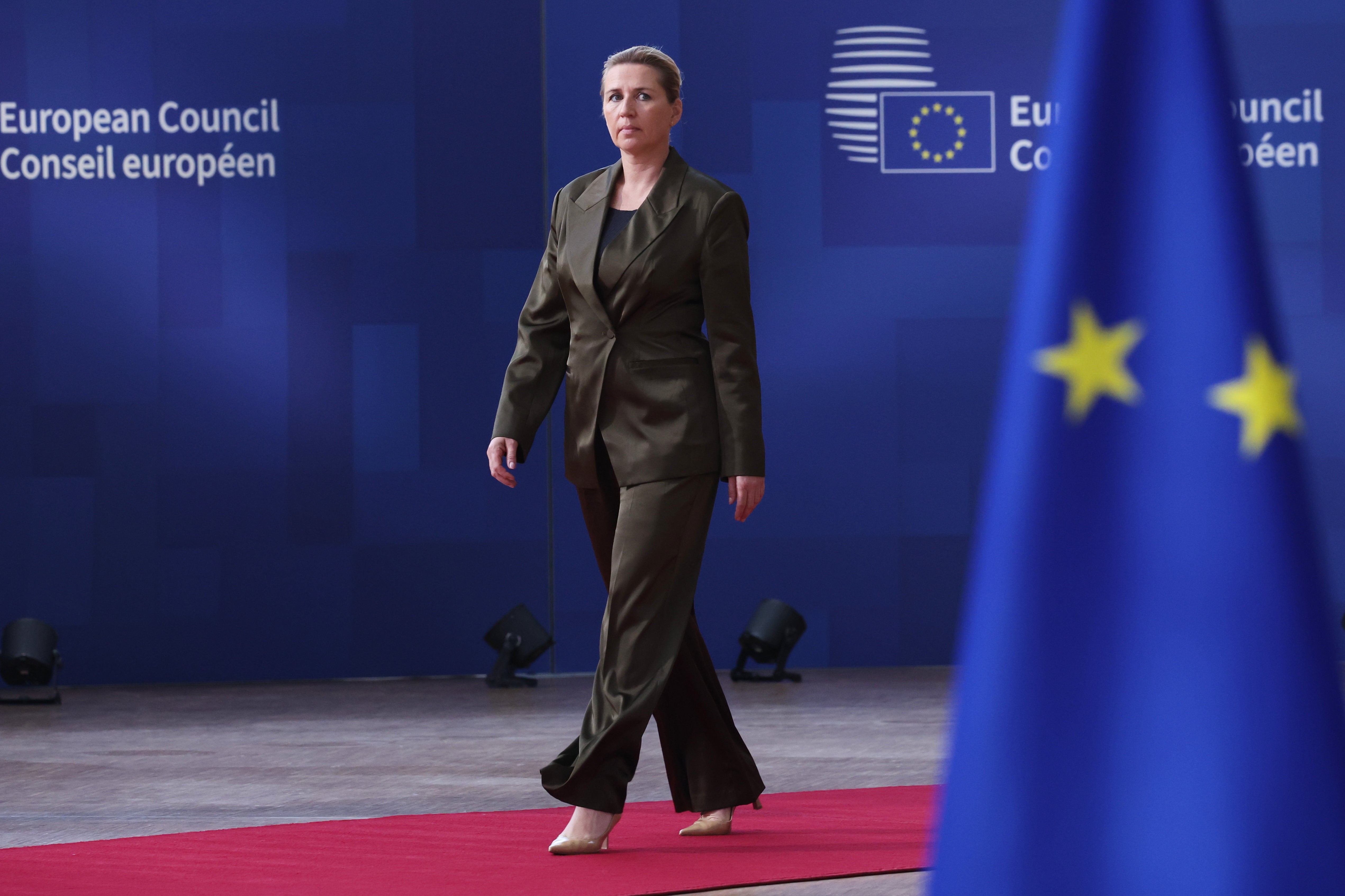
But Frederiksen hit out at the call, saying she saw no signs that Russia wanted peace, adding: "I think Europe should stick together rather than going solo."
Swedish Prime Minister Ulf Kristersson said other European leaders also said they were not informed of the talks.
"My impression is that everyone wants peace, except for Putin himself. I have quite low expectations for this type of conversation," Kristersson told Swedish daily DN.
Polish Prime Minister Donald Tusk said he had told Stubb and Stoere that "absolute caution and vigilance are necessary in such contacts".
Moscow and Kyiv remain poles apart on how to end the conflict, which began when Russia invaded in February 2022, as both sides steel themselves for another brutal winter.
The Kremlin's readout of the call did not suggest any softening of Moscow’s position, saying that a long-term peace is only possible if the “legitimate interests of the Russian Federation are fully and unconditionally taken into account”.
It also blamed the policies of the EU and Nato for “contributing to the prolongation of the hostilities”, without providing further evidence.
Russian foreign minister Sergei Lavrov said Tuesday's call had offered nothing new on the Ukraine conflict, which he said was likely to escalate, and that European countries were simply seeking a role in the negotiation process.
Western European leaders have mostly refused to talk to Putin, hoping to isolate him. But recent peace efforts led by Donald Trump have left them sidelined as the US president’s unpredictable approach to the conflict continues to leave them unable to count on US support.