California high-speed rail project soars to $231B: 'Worst public infrastructure failure in US history'

California lawmakers are calling for the state's high-speed rail project to be scrapped after projected costs have ballooned by more than 700%.
"I’ve been saying this for years now, but this is the most wasteful government project in probably world history," state Sen. Tony Strickland, who is the vice chair of the state's Senate Transportation Committee, told the New York Post.
Strickland is calling for the project to be abandoned completely.
"My dad always taught me at an early age, when you dig a hole for yourself, the best way to get out of the hole is to stop digging," he told the Post.
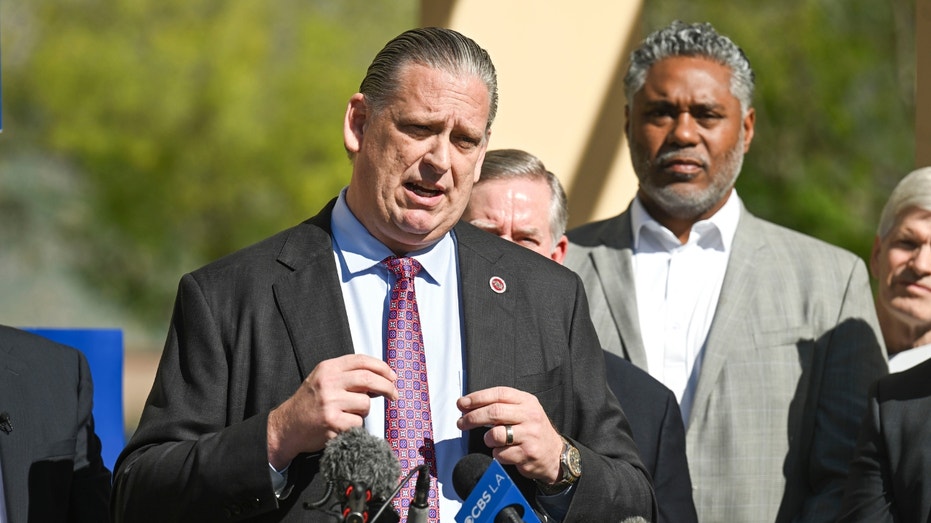
Tony Strickland speaks at the Riverside County Registrar of Voters on Monday, March 2, 2026, for a press conference highlighting voter signatures in favor of placing a voter ID measure on the November ballot. (Anjali Sharif-Paul/MediaNews Group/The Sun via Getty Images / Getty Images)
The project received its first bond funding in 2008 and was originally slated for completion in 2020. Initial estimates also pegged its cost at between $33 billion and $45 billion.
But the California High-Speed Rail Authority (CHSRA), the body in charge of the project, recently estimated that the first phase won't be finished until 2032 in its 2026 business plan. And costs are now predicted to be in excess of $230 billion.
"It goes from a $33 billion projected estimate to the voters to go from LA to San Francisco. Now it’s $231 billion and climbing," Strickland told the Post.
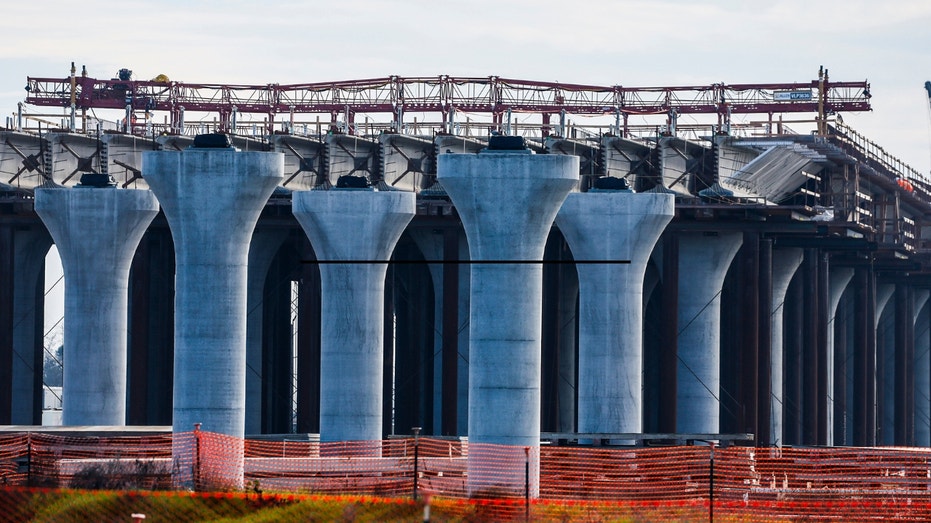
Work continues on the California High Speed Rail, Hanford Viaduct. (obert Gauthier/Los Angeles Times via Getty Images / Getty Images)
The program was originally slated to connect San Francisco and Los Angeles, but in 2019, Gov. Gavin Newsom scrapped those plans, citing a lack of transparency.
"Right now, there simply isn't a path to get from Sacramento to San Diego, let alone from San Francisco to L.A. I wish there were," Newsom said in his 2019 state of the state speech.
Now, the efforts focus on a Central Valley transport corridor between Merced and Bakersfield.
Lou Thompson, who chaired a state legislative peer review group responsible for reporting issues to CHSRA, called the project a "dead end" in an exacting March letter to state leaders.
"The project began as a promise of service from San Francisco to Los Angeles... Now, in the Draft 2026 Business Plan, even the 171-mile Merced to Bakersfield cannot be completed by the end of 2032 without access to more funding," Thompson wrote.
He also said CHSRA and the California legislature's "state of denial should end."
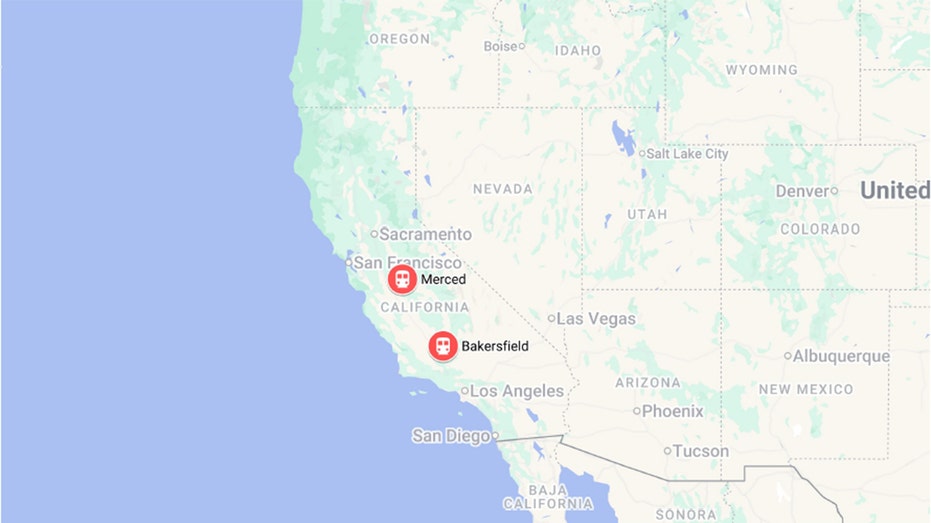
Google Maps view of the distance between Bakersfield and Merced, California. (Google Maps / Google Maps)
In July, President Donald Trump's Federal Railroad Administration (FRA) pulled $4 billion in federal funding from CHSRA, citing the Golden State's lack of cooperation on a previous agreement with FRA.
"To be clear, the mere promise of delivering the EOS someday and at some cost was not the bargain struck between FRA and CHSRA," Acting FRA Administrator Drew Feeley wrote in a letter to CHSRA at the time.
California initially sued the Trump administration for the move, but Attorney General Rob Bonta dropped the suit in December.
California is now seeking private investment for the project, though skepticism still abounds.
"Our country has never seen a fiscal disaster of this magnitude," Rep. Kevin Kiley, R-Calif., said in an X post. He also told the Post it was the "worst public infrastructure failure in U.S. history."
Fox News Digital contacted Newsom's office and Kiley for comment but did not immediately receive a response.