California city weighs data center ban over fears they could send power bills soaring
According to reporting by Voice of San Diego, the proposed facility could consume as much electricity as more than 320,000 homes
San Diego officials are considering a temporary ban on new data centers amid growing concerns that the rapidly expanding industry could strain the city's electricity grid, drive up utility bills and worsen its housing shortage.
The City Council is scheduled to consider the proposed moratorium Tuesday, following an executive order Mayor Todd Gloria issued last week calling for stricter regulations on data center development.
The move comes after a local developer floated plans for a massive 400-megawatt data center near Old Town that, if built, could become the largest facility of its kind in California.
According to reporting by Voice of San Diego, the proposed facility could consume as much electricity as more than 320,000 homes.
Gloria said the city needed to balance technological development with protecting residents from the potential consequences of large-scale data centers.
"San Diego is a city of innovation, and I want us to continue leading in the technologies and jobs of the future," Gloria said.
"But we cannot allow a rapidly expanding industry to get ahead of the rules needed to protect our residents. Data centers can place significant demands on our water supply, electricity grid and limited land, with consequences for utility bills, housing opportunities and neighborhoods."

The proposed project is one of several redevelopment options San Diego-based Manchester Financial Group is exploring for the 70-acre Naval Information Warfare Systems Command site, known as NAVWAR.
The Navy-owned property, located near Old Town and downtown San Diego, has attracted redevelopment interest for several years.
Manchester Financial Group President and CEO Ted Eldredge stressed that no final decisions had been made about the site's future.
"Manchester Financial Group's priority for the Old Town Campus redevelopment is delivering modern facilities for NAVWAR, and we remain committed to working with the Navy and other community stakeholders to do so throughout this process," Eldredge said in a statement.
Other possibilities under consideration include housing-related development, retail, commercial and industrial space, hospitality facilities, a medical center, a university campus and a defense industry complex.

Because the land is federally owned, a citywide moratorium would not necessarily prevent a data center from being built at the NAVWAR site, making the proposed restrictions largely symbolic in that particular case.
However, city leaders are pushing for broader action to address developments that fall outside local planning authority.
City Councilman Sean Elo-Rivera urged San Diego's congressional delegation Thursday to intervene, arguing that the city should prioritize housing over energy-intensive technology facilities.
"San Diego needs homes, not another mega data center," Elo-Rivera said.
"Families are struggling to pay rent, keep the lights on, and build a future in this city. We cannot afford to sacrifice land meant for housing or leave working people paying for infrastructure that solely benefits billionaire developers."
He added that residents should have a greater say in how land is developed, calling for affordable housing, union jobs and environmental protections.
Council President Pro Tem Kent Lee also raised concerns about the potential loss of land that could otherwise accommodate housing.
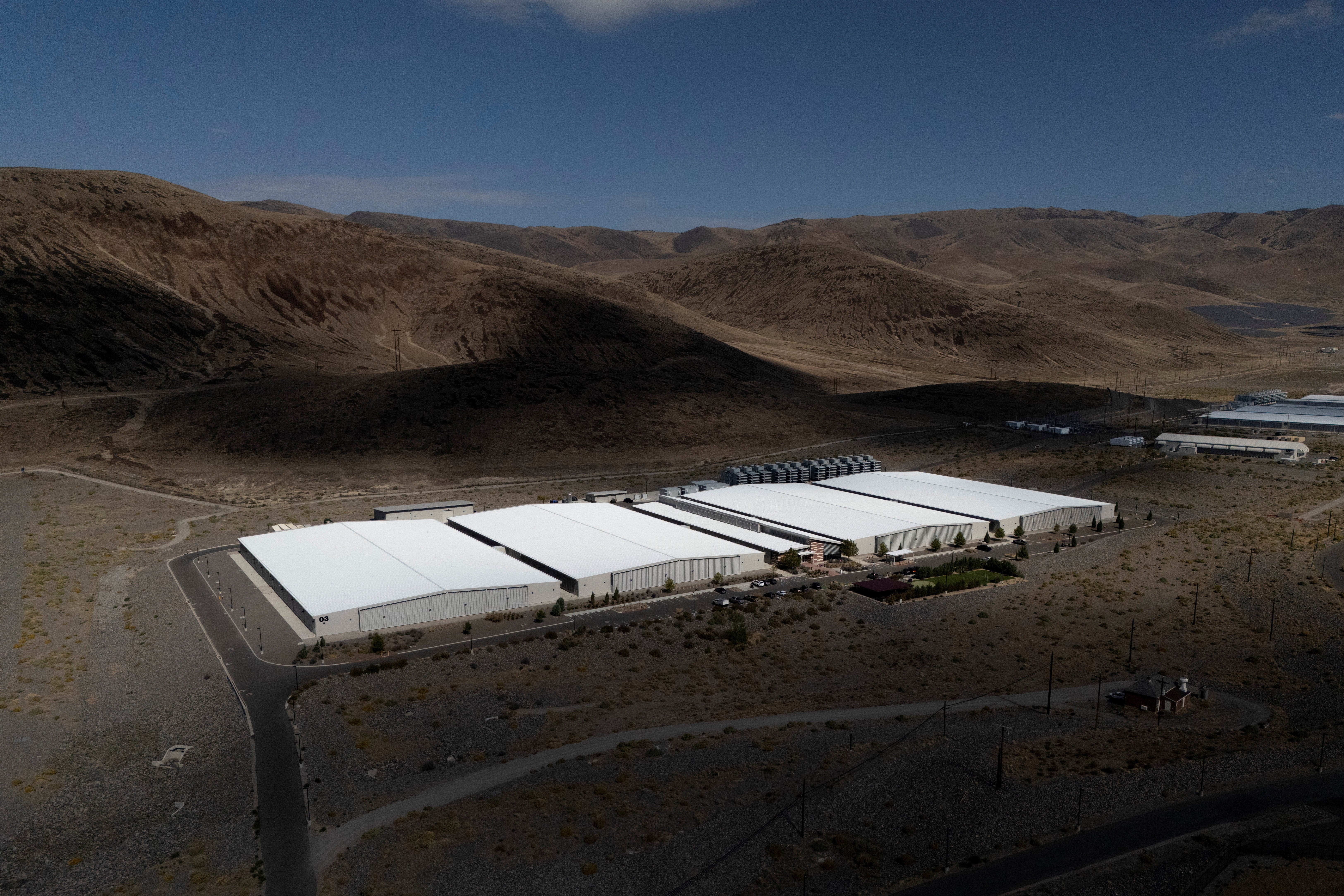
"Working families and young people are being priced out of the city, struggling to afford rent, and wondering whether they can ever buy a home in San Diego," Lee said.
Lee argued that the NAVWAR property should instead be developed into a transit-oriented residential neighborhood, particularly given the housing challenges facing military personnel and other local residents.
If approved, the moratorium would temporarily halt new data center construction within city limits while officials develop regulations governing the industry.
City staff would have 180 days to present preliminary recommendations to the mayor and City Council.
A new Data Center Stakeholder Working Group would be established to examine the industry's effects on electricity, water supplies, housing, land use and surrounding communities.
The group would include representatives with expertise in technology, utilities, planning and community advocacy.
The proposal would also direct the mayor's government affairs team to pursue or support legislation protecting communities from data center developments on state or federal property that fall outside the city's direct land-use authority.