Bernie Sanders will renew Medicare for All push when Democrats take power
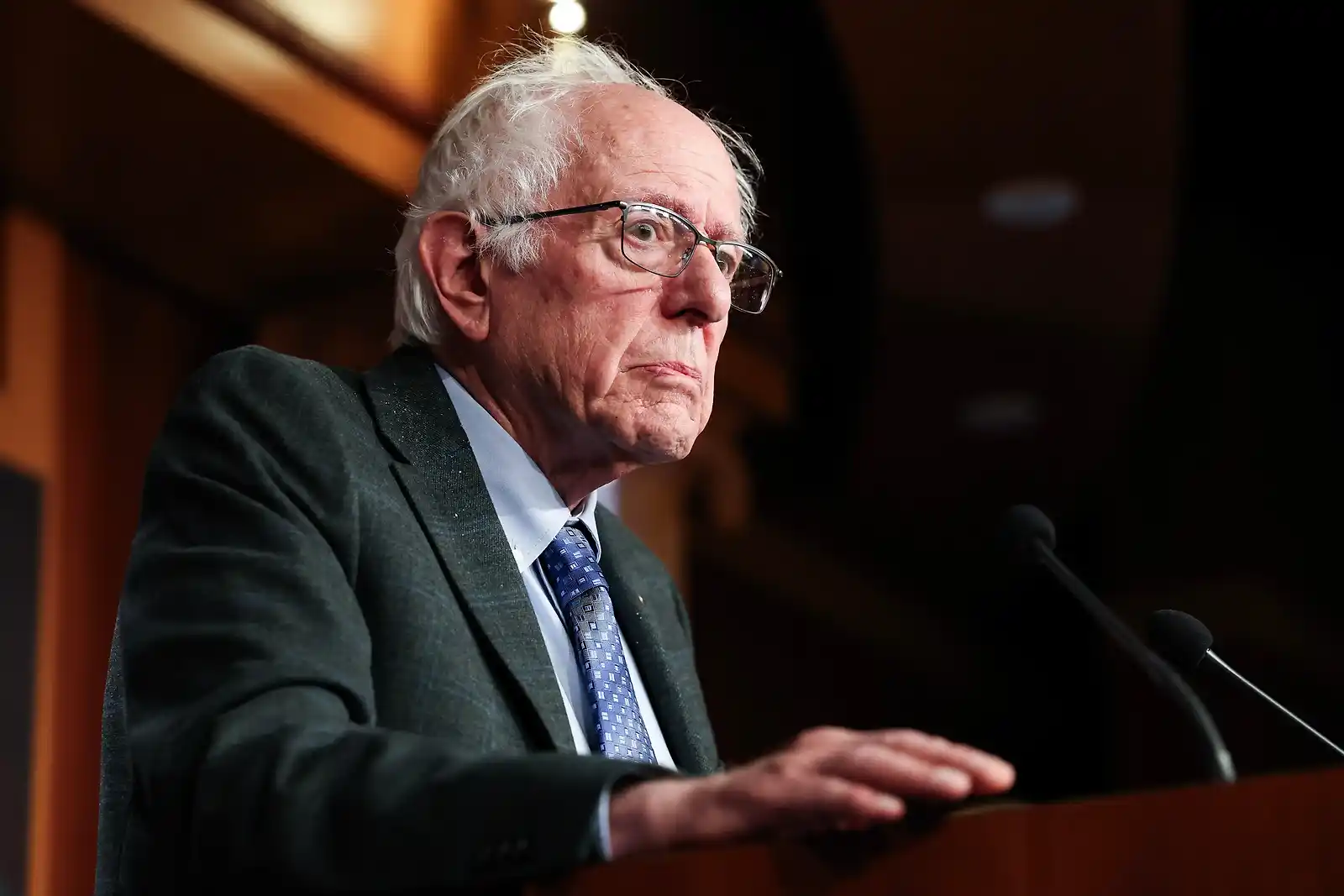
Sanders rejected the notion that Trump, a Republican, wouldn't sign something like Medicare for All into law
Sen. Bernie Sanders is gearing up to leverage his return to leading an influential Senate panel to advocate for major overhauls across the American healthcare landscape, posing a swift test regarding the willingness of Democrats to adopt left-leaning policy goals.
Currently serving as ranking member on the Senate Health, Education, Labor and Pensions Committee, the Vermont independent—who aligns with Democrats—is slated to assume the position of chairman once Democrats assume control of the chamber this coming January. A legislative blueprint outlined by his team, initially shared with The Associated Press, details steps to enact proposals championed by himself and other progressives throughout the recent campaign season.
Central to his strategy is a renewed push for Medicare for All, creating a universal health system phased in over four years. Phase one reduces the eligibility age for Medicare down to 55 from 65, broadens benefits to encompass dental, vision, and hearing services, while ensuring health coverage for every youth through 18 years of age.
"This is no longer a utopian vision. This is where the American people are," Sanders stated during an interview with the AP.
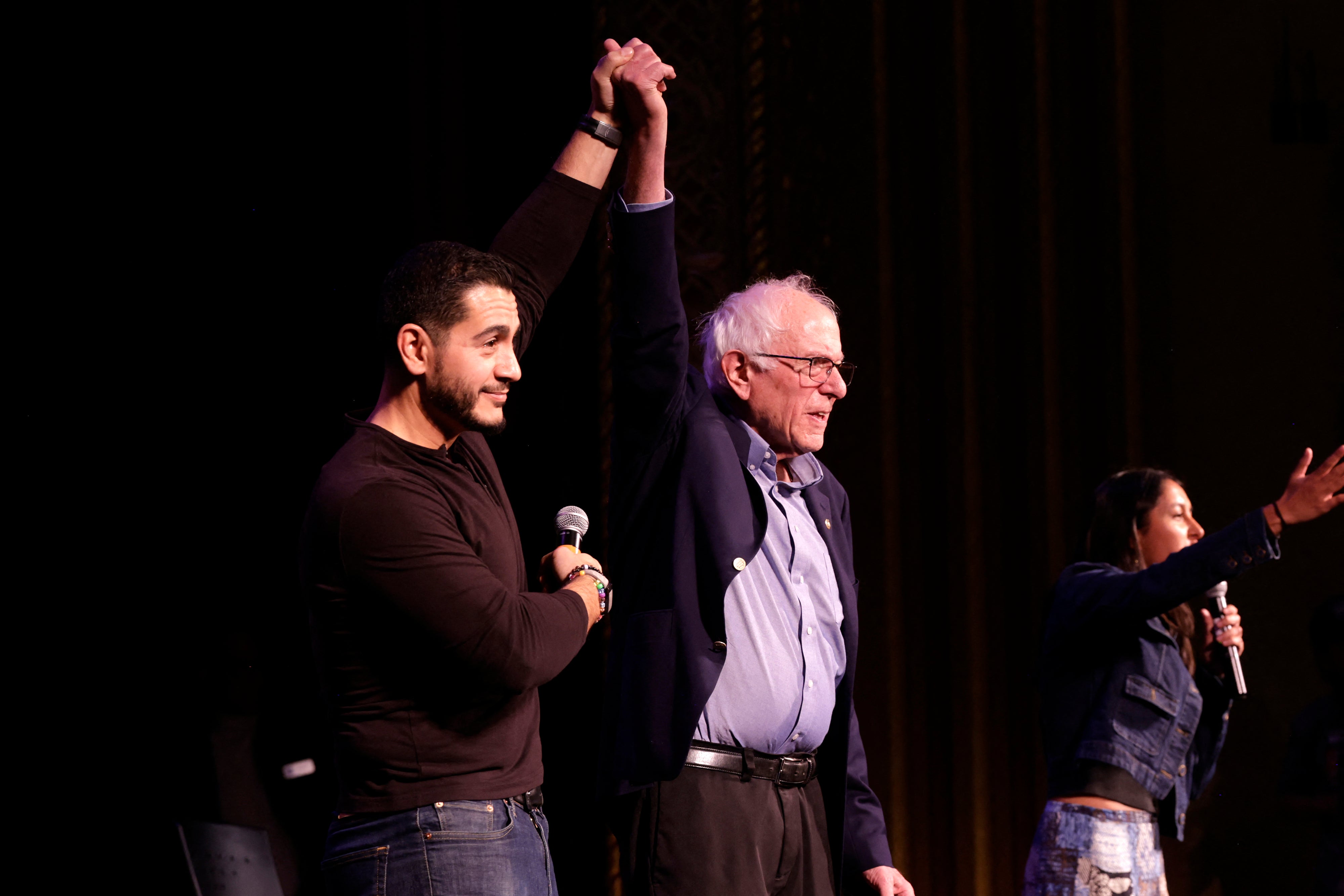
These ambitious policy recommendations provide an initial look at how progressives plan to direct the Democratic platform following a national election that secured congressional control for the party while highlighting internal ideological divides. Looking ahead toward the 2028 presidential race, Sanders aims to steer Democrats toward populist economic initiatives that he maintains have secured wider public backing.
"I think the election, in my opinion, was a crying out for fundamental change in the way the government does business and the absolute need to protect a struggling working class," Sanders remarked.
"I think this is a time to bring about very significant changes in policies so that we can actually improve the lives of working families."
Sanders continues drive for Medicare for All
For years, Sanders has advocated replacing most commercial health coverage with a federally run single-payer system designed to guarantee care for all citizens.
The plan presented for the upcoming legislative session details a four-year transition toward universal coverage, starting by broadening existing Medicare benefits and entry requirements. Year two would drop the age threshold to 45, decreasing to 35 by year three, and finally achieving full universal inclusion by year four.
"Transforming a system which is 18% of the GDP of America, you don’t do that overnight," Sanders noted regarding the gradual transition.
Nevertheless, financing an expanded Medicare program is set to trigger intense partisan disputes, given that the national deficit currently reaches $2 trillion, representing 6.2% of gross domestic product. Projections released by the Congressional Budget Office in 2022 indicated that dropping the age of Medicare eligibility down to 60 alone would add $155 billion to federal deficits between 2026 and 2031.
Previous funding strategies put forward by Sanders move healthcare financing away from commercial insurance premiums and toward payroll revenues—utilizing a mixture of employer and worker contributions, increased taxation on wealthy individuals, and additional taxes targeted at Wall Street and major corporations.
Furthermore, Sanders suggested that Democrats could enact the initial phase of this transition via budget reconciliation, a legislative mechanism permitting specific tax and spending bills to clear the 100-seat Senate by simple majority vote, bypassing the standard 60-vote requirement needed to defeat filibusters. With a 56-44 majority taking effect in January, Democrats will hold their strongest Senate edge in 16 years.
Along with pushing for greater availability of primary care, Sanders indicates Democrats will prioritize lowering overall costs for prescription drugs.
A shifting political landscape
In past sessions, Sanders managed to temper progressive ideals with pragmatic legislative work. While previously leading the HELP Committee between 2023 and 2025, he collaborated across the aisle with Republicans to reduce medicine prices and broaden primary medical access. Earlier, as head of the Senate Budget Committee from 2021 to 2023, he helped guide key Democratic spending measures into law.
Following the midterms, Sanders is introducing a comprehensive set of proposals that he maintains corresponds not to an evolution in his personal platform, but to growing voter insistence for fundamental reform in healthcare.
He points to clear indications of this sentiment within Democratic leadership. Representative Hakeem Jeffries of New York, the House Democratic leader, has promised swift action "right out of the gate" to reinstate Affordable Care Act subsidies and roll back Republican-led reductions to Medicaid.
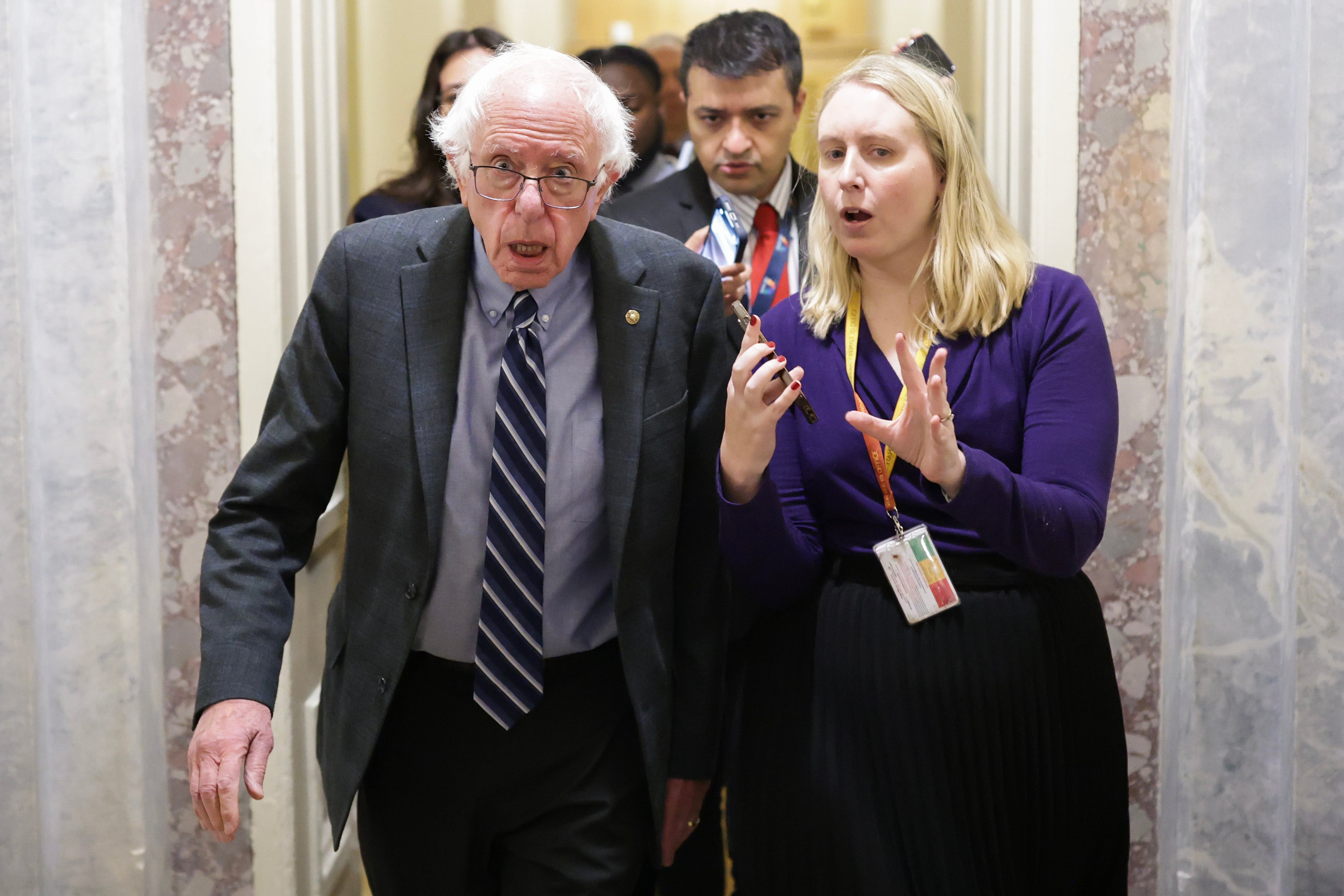
On Tuesday, Jeffries noted that Democrats recognize going back to existing conditions "is not acceptable," outlining plans to broaden coverage access by reducing Medicare eligibility ages, incorporating vision, hearing, and dental benefits, and securing coverage for all children.
"Jeffries basically supported the first year of Medicare for All," Sanders observed.
Any measure passed by Congress over the upcoming two years must earn the signature of President Donald Trump to become law. Sanders dismissed assertions that Trump, a Republican, would automatically refuse to sign legislation resembling Medicare for All.
"Donald Trump may be crazy, but he is not stupid. He’s a smart guy, and he’s a very good politician," Sanders stated.
Priorities outside health policy
Beyond health initiatives, Sanders plans to leverage the committee to champion a wider economic framework, including raising the national minimum wage from $7.25 to $20 hourly and backing the PRO Act to reinforce workers' rights to organize unions.
The pay hike would almost triple the nationwide minimum wage, which has stayed flat since 2009, potentially drawing opposition from politicians worried about effects on employment and small enterprises. Sanders envisions implementing the increase over a four-year phase-in.
His proposals further demand substantial limits on artificial intelligence technology, recommending a freeze on new AI data center construction, a temporary halt to advanced AI development, and a complete prohibition of artificial superintelligence.