Why many Canadians now need higher incomes to get a mortgage even as home prices decline
Rising borrowing costs are offsetting savings for homebuyers in major Canadian cities, an analysis shows

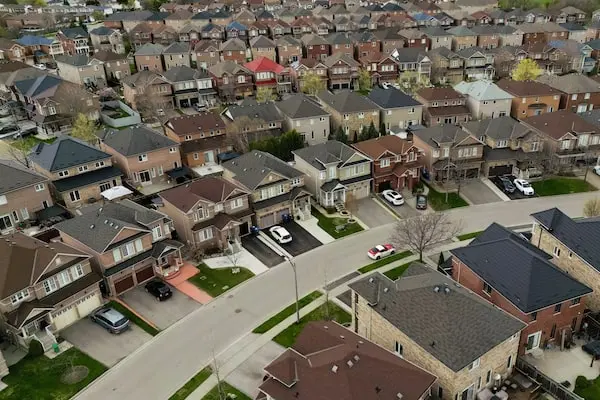
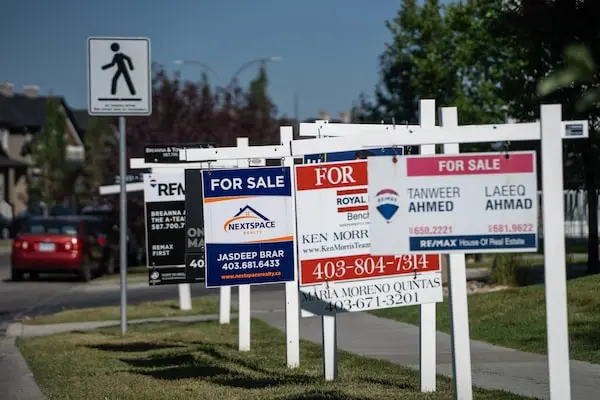
Rising mortgage rates are making it harder for Canadians to afford a home, even as prices decline.Amir Salehi/The Globe and Mail
Listen to this article
Learn more about audio
Rising mortgage rates are eroding housing affordability in major Canadian cities despite falling home prices, according to an analysis by financial-products comparison site Ratehub.ca.
The report found homebuyers are facing bigger payments and higher income requirements to qualify for a mortgage even in cities where home prices have declined.
Opinion: Sorry, boomers, but falling home prices are good news for the country
For example, the analysis found someone buying an average-priced home in Vancouver in October would pay $202 more in monthly mortgage costs, compared with purchasing in September. That’s despite the average home price in the city dropping by more than $7,000 to just under $1.07-million in the same period.
The same homebuyer would also need $6,650 more in household income to qualify for the government’s mortgage stress test in October, compared with September.
The increases in monthly mortgage payments were similar in Toronto, where housing prices also fell last month.
Meanwhile, some cities such as Hamilton and Montreal saw both housing prices and interest rates increase in October, a double blow to affordability.
The calculations are based on average available rates among Canada’s big banks for a five-year fixed insured mortgage, assuming a 25-year amortization and a 10-per-cent down payment.
That rate’s average has jumped to 4.99 per cent from 4.56 per cent between September and October, according to Ratehub.
“Rates faced constant upward pressure due to elevated bond yields, which were pushed higher by high oil prices and heightened inflation expectations,” said Clay Jarvis, a mortgage expert at Ratehub.
“While most cities saw home prices soften, the declines weren’t enough to offset the impact of higher mortgage rates.”
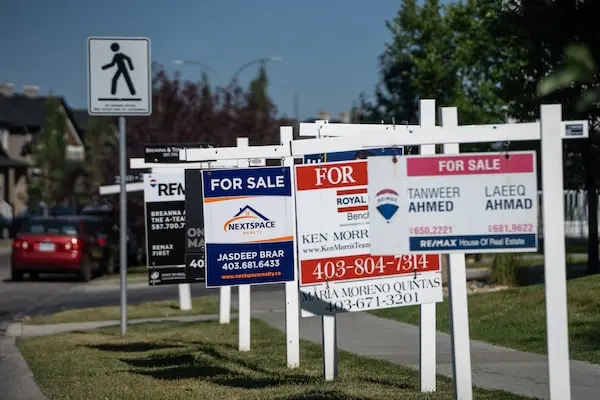
Mr. Jarvis added that home prices are dropping at a slow pace because sellers are reluctant to sell at a loss.
Meanwhile, mortgage rates face continued upward pressure.
Economists have observed that fixed rates are unusually low compared with current bond yields, as lenders compete for an unusually large cohort of renewals from the early-2020s housing boom.
Is a variable mortgage rate still worth considering after the Bank of Canada’s rate hike?
Renewals are expected to slow down during winter, and lenders could increase their rates as competition decreases, Daren King, senior economist at National Bank of Canada, said in October.
Variable-rate mortgages also became more expensive over the past month, after the Bank of Canada hiked rates by a quarter of a percentage point in October to tamp down inflation from rising gas prices.
Bond swaps markets, which capture investor expectations around monetary policy, are currently pricing in three more rate hikes by October 2027.