Wall St futures retreat as fresh strikes in Middle East threaten Iran peace hopes
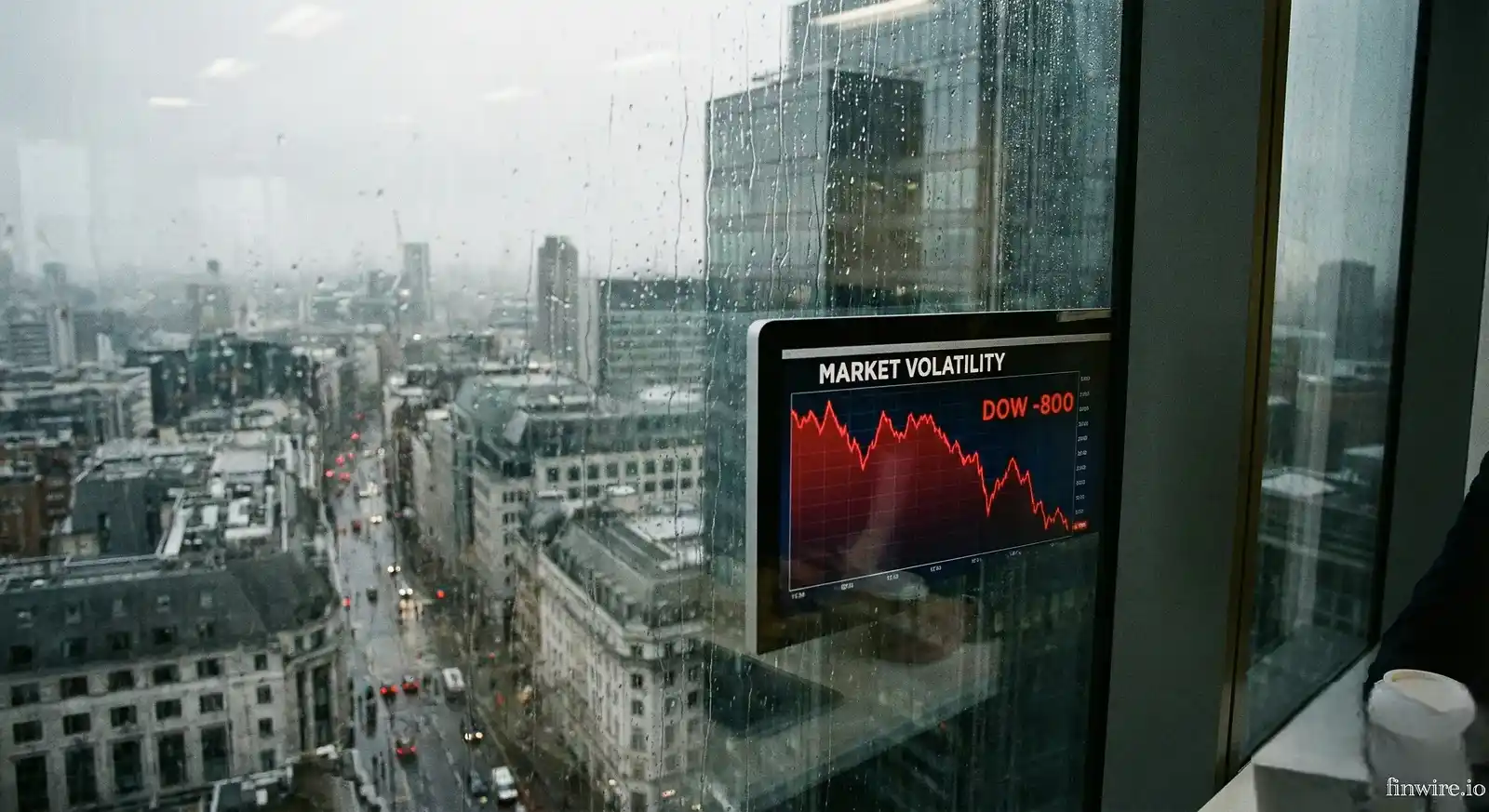
U.S. stock futures pointed lower on Thursday, as a fresh exchange of strikes in Gulf dented hopes for a U.S.-Iran peace deal and investors geared up for key inflation data closely watched by the Federal Reserve.
By 06:37 ET (10:37 GMT), the Dow futures contract was down by 60 points, or 0.1%, S&P 500 futures had fallen by 14 points, or 0.2%, and Nasdaq 100 futures had slipped 127 points, or 0.4%.
The main averages on Wall Street ended the day modestly higher, with analysts at Vital Knowledge suggesting that hopes remain that an agreement to end the war in Iran will be struck in the coming days. Still, some optimism was tempered by the White House’s declaration that a Memorandum of Understanding draft published by Iranian state TV was a "complete fabrication."
A decline in Brent crude futures, the global oil benchmark, combined with "decent" earnings reports, particularly from Abercrombie & Fitch and Bath & Body Works, and "sanguine" economic commentary from companies at a closely-watched conference to help "catalyze big gains in consumer discretionary stocks," the Vital Knowledge analysts said.
Energy-linked names, however, were under some pressure, while investors booked profits on some recently red-hot tech names, they added.
"Investors are biding their time regarding the Middle East and, despite the resurgence of attacks, continue to hope for a constructive outcome to negotiations between the U.S. and Iran. However, this is causing trading volume to thin out and price volatility to decline," said Andreas Lipkow, Chief Market Analyst at CMC Markets.
Fresh air strikes in focus
The U.S. military struck targets near the Iranian city of Bandar Abbas earlier in the day, drawing retaliatory measures from Iran’s Islamic Revolutionary Guard Corp (IRGC), media reports said.
The IRGC said it had struck a U.S. military base in Kuwait as retaliation for the Bandar Abbas attacks. Separately, Kuwaiti authorities said they defending against drone and missile attacks.
Reuters reported that the U.S. military shot down four Iranian attack drones and hit a ground control station in Bandar Abbas.
The attacks marked a potential resumption in open hostilities between the U.S. and Iran, especially after Tehran warned of retaliation following U.S. strikes earlier this week.
The U.S. military claimed that the attacks were in "self defense," and that a ceasefire with Iran remained.
Thursday’s attacks came shortly after U.S. President Donald Trump dismissed a report that Iran and Oman will manage shipping through the Strait of Hormuz under a deal to end the war. Trump also indicated that Iran wanted to make a deal, but that he was not satisfied with the agreement yet.
PCE ahead
Oil prices climbed, maintaining concerns over a wave of energy-induced inflation that could persuade central banks around the world to raise interest rates.
More insight into that potential inflation burst is due to be unveiled on Thursday, with the release of the U.S. personal consumption expenditures price index for April.
The headline PCE reading is seen speeding up to 3.8% from 3.5% in the twelve months to April, and slowing to 0.5% from 0.7% month-on-month. The core reading, stripping out volatile items like food and fuel, is expected to tick up to 3.3% year-on-year and match March’s month-on-month level of 0.3%.
Crucially, the gauge is one of the Federal Reserve’s preferred trackers of inflation. Recent releases from the Fed have indicated that officials have been at odds over the path ahead for interest rates, given concerns around how the energy shock will impact price pressures in the United States.
S&P on track for weekly gain
All three of the major U.S. indices closed at a record high on Wednesday, with traders mostly appearing to shrug off Iran-related worries and focus instead on solid quarterly earnings and soaring enthusiasm for artificial intelligence.
The benchmark S&P 500 is on pace to notch a ninth-straight weekly gain, which would be its longest winning streak since 2023.
In individual stocks, HP shares inched down in premarket trading after the company flagged that margins would be weighed down by elevated memory-chip costs. Marvell Technology also dropped in the wake of first-quarter results.
Drone makers, such as Unusual Machines and AeroVironment, rallied on a Wall Street Journal report that the administration was in discussions over funding for these names.