U.S. stock futures just lower; sentiment fragile as Iran conflict rages on
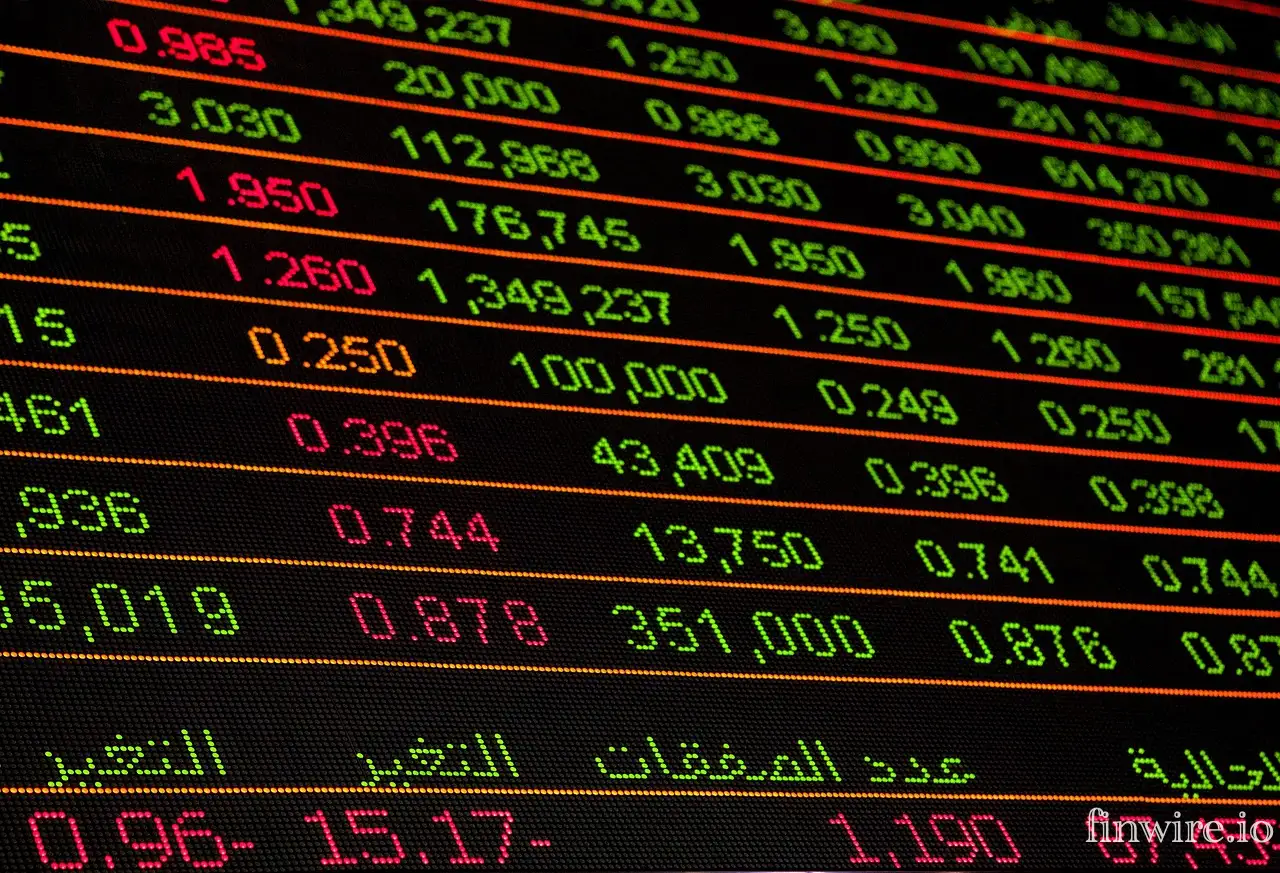
U.S. stock index futures slipped slightly lower Thursday, with sentiment fragile despite the previous session’s gains as investors continued to assess the escalating Iran conflict and its possible inflationary impact.
At 05:35 ET (10:35 GMT), Dow Jones Futures fell 55 points, or 0.1%, while S&P 500 Futures and Nasdaq 100 Futures traded close to the flatline.
The main averages on Wall Street closed higher Wednesday, with the blue-chip Dow Jones Industrial Average gaining 0.5%, the benchmark S&P 500 up 0.8%, and the tech-heavy Nasdaq Composite climbing 1.3%. A host of strong economic readings and reports of Iran seeking more dialogue had helped spur some risk appetite.
Iran conflict rages on
Hopes that the Middle East conflict may be over quickly seem to be diminishing as Iran launched a wave of missiles at Israel, marking the sixth consecutive day of hostilities.
The strike came just hours after the U.S. Senate voted, largely along party lines, against a motion aimed at stopping the air campaign and requiring that military action be authorized by Congress.
Meanwhile, Mojtaba Khamenei, the son of Iran’s slain supreme leader, has emerged as a frontrunner to succeed him, the White House said on Wednesday, implying Tehran was not about to buckle to pressure.
One widely-anticipated consequence of the conflict is beginning to emerge: American consumers are facing a spike in prices at gasoline pumps. This could also impact economic growth on a broader level.
International Monetary Fund Managing Director Kristalina Georgieva said the conflict was testing "global economic resilience".
"This conflict, if proven to be prolonged, has obvious potential to affect global energy prices, market sentiments, growth and inflation. And it would place new demands on the shoulders of policy-makers everywhere," she said earlier Thursday.
Sentiment helped by strong data
Investors did receive some reassurance on Wednesday with the release of stronger-than-expected private payrolls data for February, which showed the labor market continuing to grow.
Separately, ISM’s purchasing managers index on U.S. service sector activity rose to an over three-year high in February, pointing to strong domestic demand. Additionally, the Federal Reserve’s Beige Book report showed the central bank maintaining an upbeat stance on the economy.
The prints come ahead of Challenger job cuts data later in the session and then the widely-watched nonfarm payrolls data on Friday.
"That backdrop of strong data meant investors kept pricing out the likelihood of an H1 rate cut from the Fed," said analysts at Deutsche Bank, in a note. "Indeed, the probability of a cut by the June meeting (which would be the first with a new Chair) fell to just 39% by the close, the lowest so far this year. So clearly there’s growing scepticism that a new Chair can start cutting straight away, particularly with the data as strong as it is right now."
Broadcom rises on strong AI-fueled outlook
The retail sector is likely to take center stage in terms of earnings reports Thursday, with numbers scheduled from the likes of Kroger Company (NYSE:KR), Burlington Stores (NYSE:BURL) and BJs Wholesale (NYSE:BJ) before the open, and Costco Wholesale (NASDAQ:COST) after the close.
Broadcom (NASDAQ:AVGO) stock sharply premarket after the artificial intelligence chips maker delivered a quarterly top and bottom-line beat and provided current-quarter revenue guidance that surpassed expectations.
The company also announced a buyback of up to $10 billion.
Crude rises further
Oil prices rose further, adding to this week’s rally as the conflict in the Middle East continues to rage, heightening fears of supply disruptions from the major crude-producing region.
Brent futures gained 1.7% to $82.80 a barrel and U.S. West Texas Intermediate crude futures rose 2.2% to $76.31 a barrel.
Iran has targeted tankers in the Strait of Hormuz, through which about a fifth of the world’s oil and liquefied natural gas flows, effectively closing traffic through the bottleneck.
The benchmarks have risen for five straight sessions, with the Brent contract climbing to its highest level since July 2024.