US stock futures fall as tech remains skittish after Alphabet, SpaceX losses
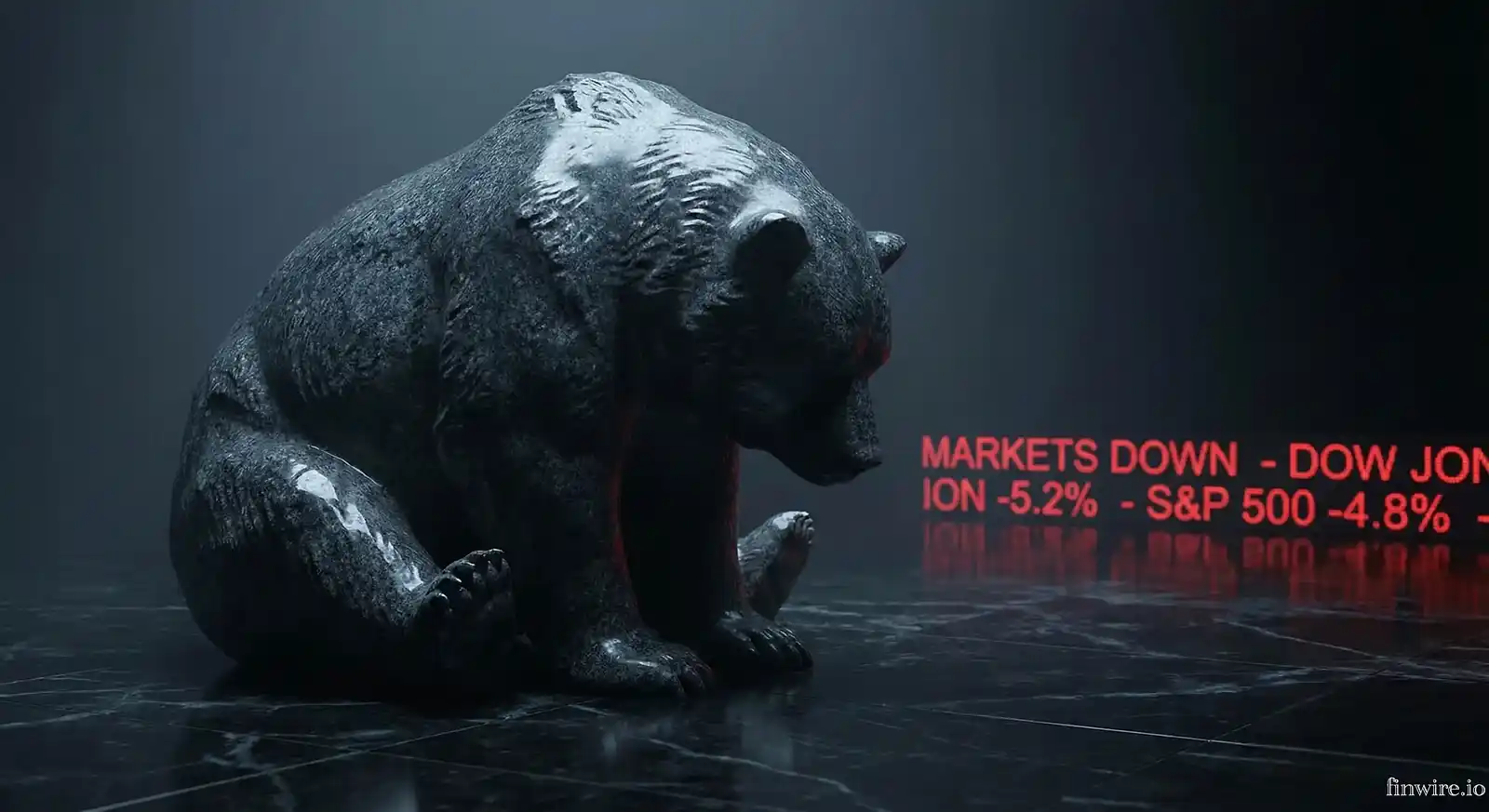
U.S. stock index futures fell on Monday evening, with technology shares remaining on the backfoot after losses in Alphabet and SpaceX battered Wall Street earlier in the day.
Focus remained on more peace negotiations between the U.S. and Iran after participants flagged some progress in talks held over the weekend, even as Washington issued fresh threats against the country.
A host of key economic prints are also on tap this week, as are quarterly earnings from logistics giant FedEx Corporation (NYSE:FDX).
S&P 500 Futures fell 0.17% to 7,528.25 points by 19:22 ET (23:22 GMT). Nasdaq 100 Futures fell 0.3% to 30,553.50 points, while Dow Jones Futures were steady at 52,124.0 points.
Wall St mixed as Alphabet falls on AI talent exodus, SpaceX loses steam
Wall Street clocked a mixed session on Monday, following a long weekend.
The S&P 500 fell nearly 0.4%, the Dow Jones Industrial Average rose 0.3%, and the NASDAQ Composite lagged with a 1.3% slide.
The Nasdaq was pressured chiefly by losses in Alphabet Inc (NASDAQ:GOOGL), which slid nearly 5% after two high-profile artificial intelligence executives left the company within the span of a few days.
SpaceX (NASDAQ:SPCX) was also a major decliner, tumbling about 16% as it reversed course from a strong initial public offering and market debut earlier this month.
The Elon Musk-led rocket company came under pressure after KeyBanc analysts flagged a more cautious stance on the stock, citing concerns of overvaluation. The brokerage also said it needed more visibility on progress in SpaceX’s next-generation Starship rocket and broader commercialization plans.
US-Iran peace talks mark some progress; econ. data awaited
U.S. and Iranian officials offered some encouraging comments on peace talks held in Switzerland on Sunday, even as President Donald Trump continued to threaten Tehran with more military action.
Statements from Pakistani and Qatari mediators showed that both sides had agreed to more technical talks over a peace deal, which will be held in the coming days.
The development offered some relief to markets, especially as oil prices fell sharply and neared pre-war levels. Flows through the Strait of Hormuz were also seen improving.
The U.S. and Iran agreed to a 14-point memorandum of understanding to end hostilities and hash out a more comprehensive peace plan with a 60-day period of talks.
Beyond geopolitics, focus this week is on a swathe of key U.S. economic data for more cues on interest rates.
Purchasing managers index data for June is due on Tuesday, followed by revised first-quarter gross domestic product data and a PCE price index reading on Wednesday.
The PCE data will be closely watched for more rate cues, given that it is the Federal Reserve’s preferred inflation gauge. Markets have grown increasingly convinced in recent weeks that the central bank will leave rates steady, or even hike them slightly this year.