UBS assesses impact of nationwide ground stop on US airlines’ 4Q outlook

Investing.com -- U.S. airlines face lower fourth-quarter capacity, higher operating costs, and pressure on earnings following a nationwide ground stop that disrupted flights for three days, according to UBS analysts Atul Maheswari and Thomas Wadewitz.
In a November 16 research report, the analysts estimated that the disruption could reduce fourth-quarter available seat miles (ASMs), a measure of airline capacity, by 50 to 100 basis points.
Operating costs per available seat mile, excluding fuel (CASM-ex), could increase by a similar amount, potentially reducing revenue, cash flow and quarterly earnings.
The nationwide ground stop on November 13 lasted more than four hours, exceeding twice the duration of the comparable 2023 disruption and marking the longest such event since September 11, 2001.
Flight cancellations continued throughout the weekend, affecting major U.S. carriers.
FlightAware data showed average cancellation rates among the six largest airlines reached 32% on November 13 and 30% on November 14, before declining to approximately 10% by Sunday evening.
JetBlue Airways (NASDAQ:JBLU) experienced the most severe disruption, with cancellations reaching 43%, 49% and 28% across the three days.
American Airlines (NASDAQ:AAL) also recorded elevated cancellations, including 42% on November 14 and 19% the following day.
Southwest Airlines (NYSE:LUV) and Alaska Air Group (NYSE:ALK) experienced comparatively fewer cancellations.
Flight delays remained widespread, averaging 26%, 36% and 33% across the six major carriers during the three days.
The affected dates represented approximately 3% of scheduled fourth-quarter airline capacity. The analysts assumed roughly one-quarter of that capacity was lost.
Revenue per available seat mile could rise as remaining flights absorb demand, but the improvement would likely be insufficient to offset lost flying.
Airline operations were expected to improve substantially from November 16, with cancellation rates returning to low single-digit levels or near zero.
The disruption adds pressure to an industry already exposed to volatile fuel prices, elevated labor expenses, and substantial capital spending requirements.
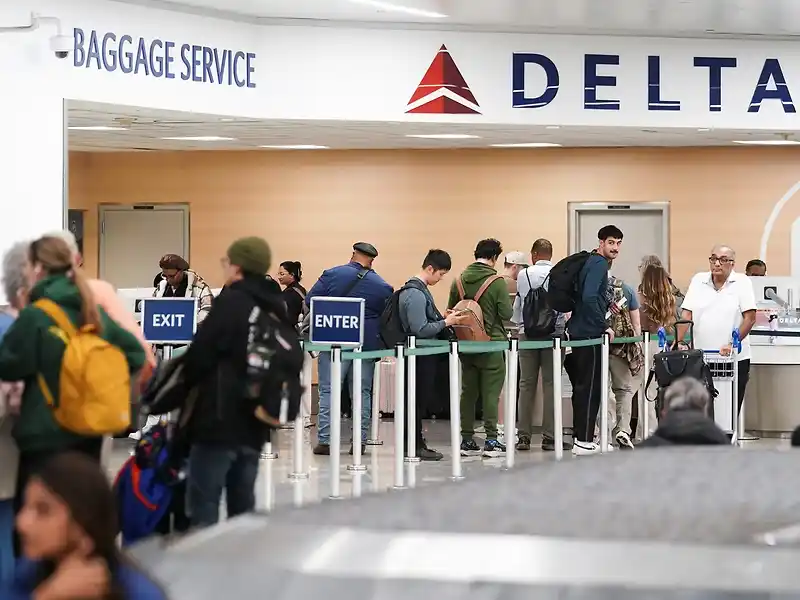
Nationwide ground stop could cost US airlines hundreds of millions
Airline executives support modernising FAA systems as US Transportation Secretary Duffy seeks $50bn from Congress.


US airports grind to a halt leaving thousands of travellers stranded
The stoppage was the first nationwide ground stop since January 2023
United Airlines says ‘widespread’ system outage resolved
Airline acknowledges ‘technology issue that delayed flight departures’ in latest high-profile outage to affect Americans United Airlines said on Monday that it had resolved a widespread system outage, just three days after the Federal Aviation Administration issued a rare nationwide ground stop on all US flights. “We have resolved a technology issue that delayed flight departures. While...
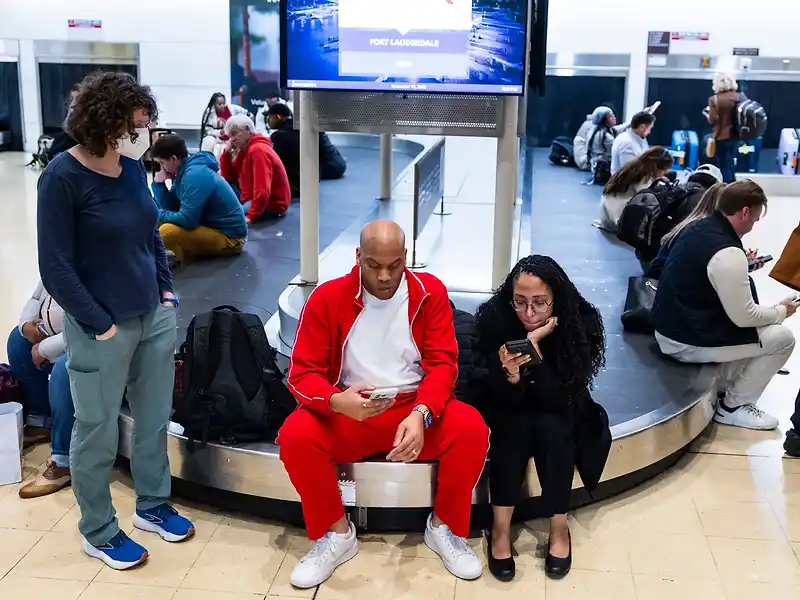
FAA ground stop lifted: Why were US flights grounded, and what’s next?
The FAA says nationwide ground stop disrupting thousands of US flights was caused by a telecommunications outage.