TSX falls as strong jobs data stokes rate concerns
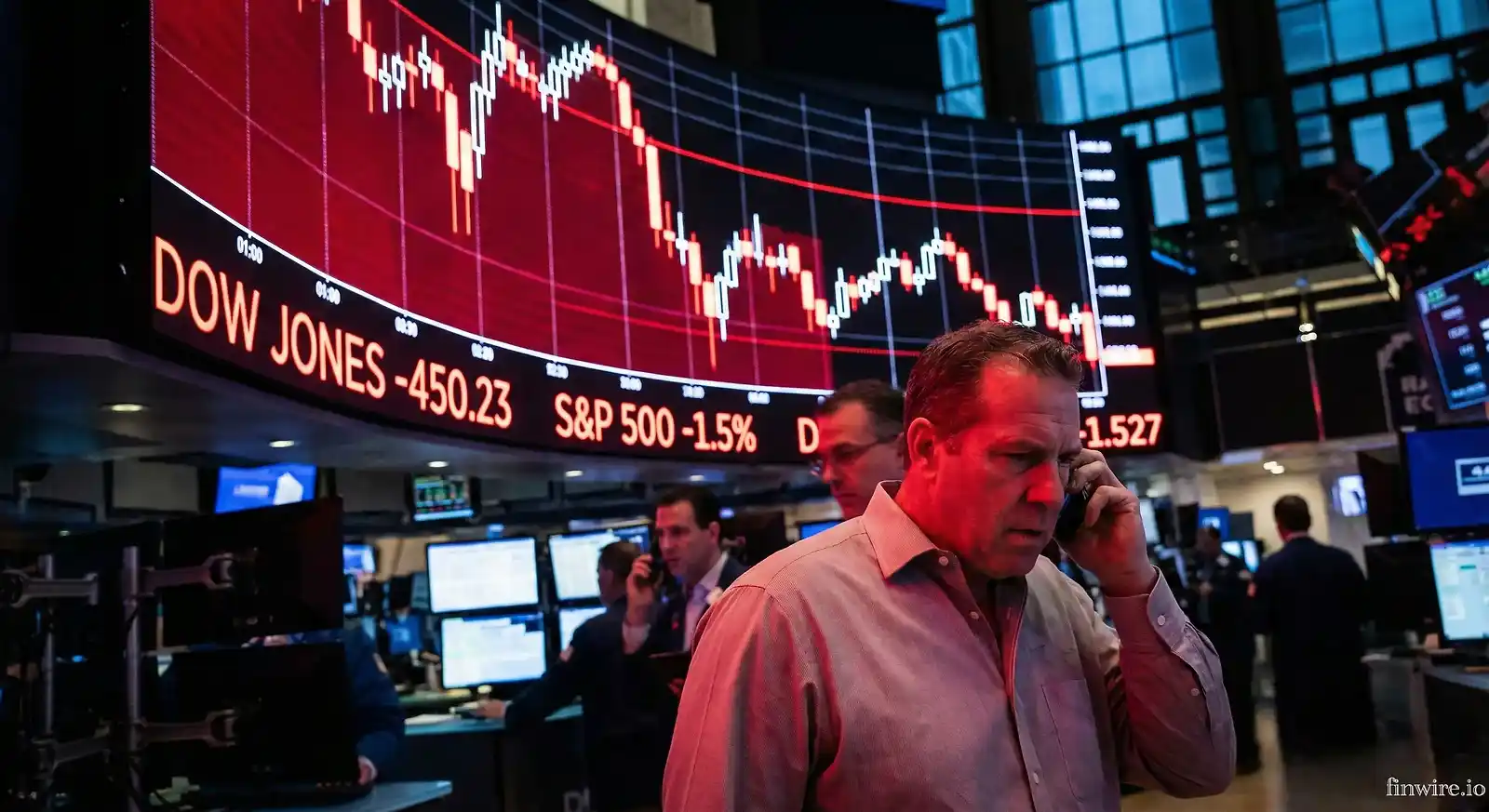
Canada’s main stock index fell more than 1 per cent on Friday, tracking losses on Wall Street, as stronger-than-expected U.S. and domestic payrolls data fueled expectations of a tighter monetary policy.
At 10:39 a.m. ET, the Toronto Stock Exchange’s S&P/TSX composite index was down 476.14 points, or 1.35 per cent, at 34,741.69. The index was set to wipe out its weekly gains due to volatility in commodities and persistent fears of inflation.
Canada’s economy added 87,800 jobs and the unemployment rate fell back to 6.6 per cent in May, data showed on Friday, defying widespread expectations and showing signs of some resilience despite signs of softer economic growth.
The May data marked the first job growth of 2026 and helped wipe out almost 80 per cent of all job losses posted since the start of the year. The last time the economy added a significant number of jobs was October 2025, Statistics Canada said.
“With the Bank of Canada decision coming up and more macro data due, that’s what we will be focused on in the near term,” said Michael Constantino, CEO of Webull Canada.
Four of the 10 TSX sectors were in the red — led by miners, which fell 4.7 per cent as gold prices slipped after stronger-than-expected U.S. jobs data reinforced expectations of higher-for-longer interest rates.
Technology stocks fell 2.4 per cent, while energy stocks dropped 2.1 per cent as oil prices slipped after Oman said operations at its Mina al Fahal port were proceeding normally, following a Reuters report of disruption after an explosion.
Meanwhile, Iran has made a ceasefire between Israel and Hezbollah a condition for any peace deal with Washington to resolve the war, now in its fourth month, and reopen the Strait of Hormuz.
“Geopolitical headlines from the Middle East are coming through almost every other day, but investors seem to be taking them in stride unless there is a major escalation,” Constantino said.
Healthcare stocks led gains, up 1.5 per cent, while consumer staples also rose 1.3 per cent.
Stocks also slipped on Wall Street Friday as big technology companies lost ground and weighed down the broader market.
Meanwhile, bond yields surged as a strong jobs report continued to dim expectations that the Federal Reserve will cut its benchmark interest rate this year.
The S&P 500 fell 1.1 per cent. The Dow Jones Industrial Average fell 137 points, or 0.3 per cent. The Nasdaq composite fell 1.8 per cent.
Nvidia fell 3.1 per cent and Broadcom fell 3.9 per cent. They were among the biggest weights on the broader market countering broader gains. More stocks were rising than falling with the S&P 500. But, many of the bigger tech stocks have pricey values that tend to have an outsized influence on the broader market.
U.S. employers added a surprising 172,000 jobs in May, according to the Labor Department. It is yet another report showing that employment remains solid, despite rising inflation’s squeeze on businesses and consumers.
The bond market had strong reaction to the report. Treasury yields jumped significantly.
Oil prices remain elevated because the Strait of Hormuz , a narrow waterway crucial for global oil and natural gas transport, remains effectively closed, and the war-caused energy shock is threatening to slow economic growth and fuel inflation in many countries.
American and Iranian negotiators reached a tentative deal last week to extend their ceasefire, but the agreement has not been finalized, as developments in Lebanon have cast doubt on prospects for a permanent end to the conflict.
Reuters and The Associated Press