Stocks slip as U.S.-Iran tensions escalate ahead of ceasefire expiry
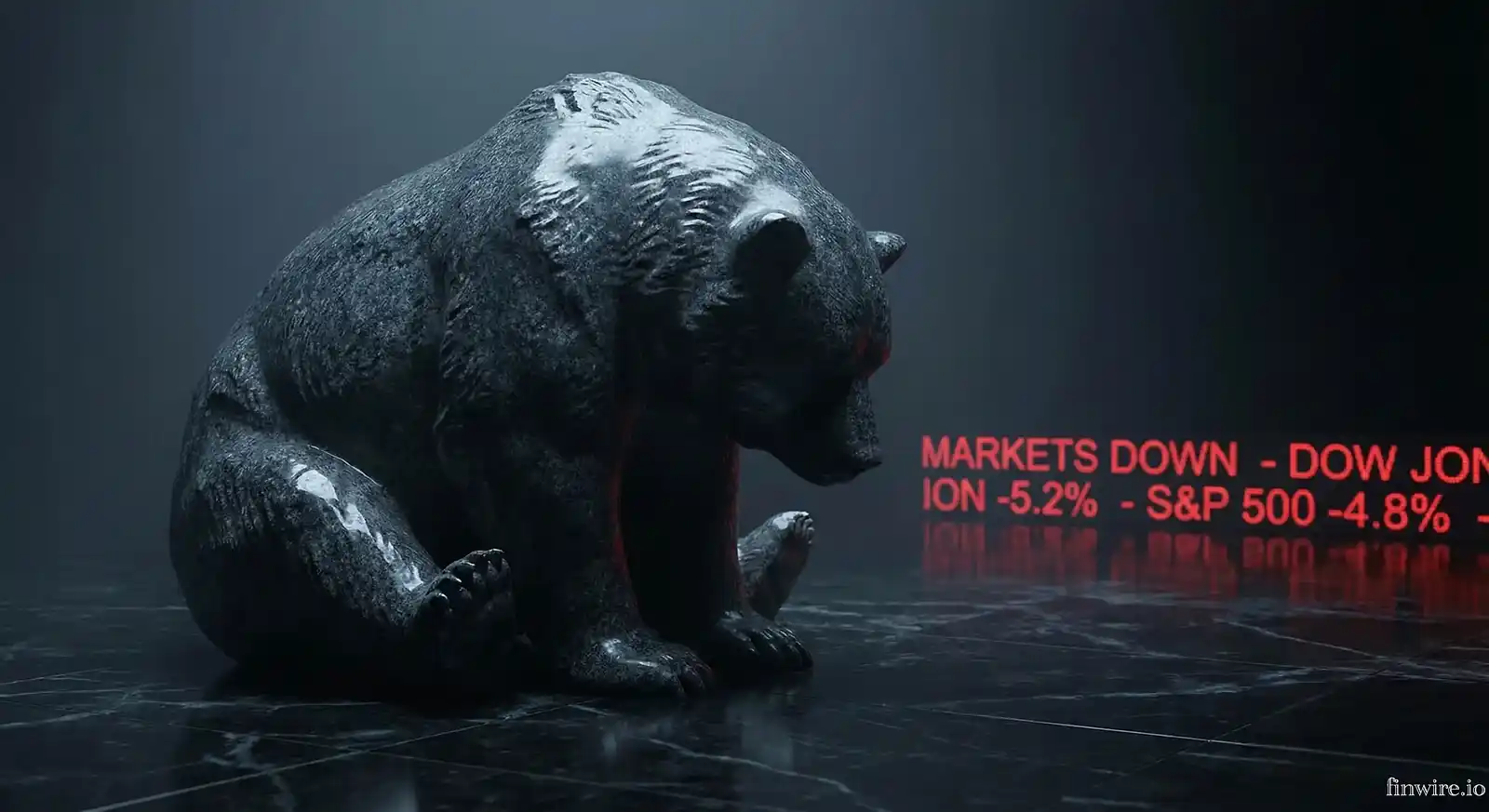
Wall Street slipped on Monday, after a new flare-up in Middle East tensions over the weekend following the U.S. seizure of an Iranian-flagged cargo vessel. The move cast a pall over the state of further peace talks between the warring parties, though President Donald Trump said U.S. negotiators would leave later in the day to resume negotiations in Pakistan.
At 11:23 ET (13:32 GMT), the benchmark S&P 500 index was down 0.4% to 7,099.04 points, the tech-heavy NASDAQ Composite slipped 0.6% to 24,318.16 points, and the blue-chip Dow Jones Industrial Average shed 0.2% to 49,354.50 points.
The main averages advanced by more than 1% to end the prior week, touching all-time highs. Bolstering sentiment were announcements from both U.S. and Iranian officials that the Strait of Hormuz, a critical waterway for a fifth of the world’s oil, was once again available to commercial shipping traffic after weeks of closure.
Optimistic rhetoric also surrounded a potential deal to extend a ceasefire between the U.S. and Iran which is due to expire later this week, fueling anticipation that the conflict may be winding down to a permanent conclusion.
President Donald Trump told the New York Post that a U.S. delegation headed by Vice President JD Vance was en route to Pakistan for further peace talks, adding that he was willing to meet senior Iranian leaders if a breakthrough was achieved.
Still, uncertainty swirls around these once-buoyant peace prospects as the new trading week gets underway.
Trump earlier said an Iranian-flagged cargo ship had been seized by American forces, claiming the vessel was attempting to run a U.S. blockade of Iran’s ports and coast. Tehran responded by threatening to retaliate and suggested that it would not be taking part in possible negotiations with the U.S. later this week.
Trump also warned that the U.S. could “blow up all power plants and bridges” in Iran if Tehran failed to agree to a peace deal.
Following a series of conflicting statements from Iranian officials in recent days, it is also now unclear whether a weekslong closure of the Strait of Hormuz had indeed been lifted, or if Iran had once again blocked the bottleneck. Data from Kpler showed more than 20 ships crossed the strait on Saturday, the most since March 1, although Iran has declared that the chokepoint has been shuttered once again because of the U.S. blockade.
"[D]evelopments over the weekend suggest the thaw has been short-lived," analysts at ING said in a note to clients.
Against this backdrop, oil prices climbed, reversing a steep fall late last week sparked by announcements that the Strait of Hormuz had been reopened.
Brent oil futures, the global benchmark, were last up 5.1% to $95.13 a barrel, while U.S. West Texas Intermediate crude futures ticked up 4.9% to $86.66 a barrel.
Earnings flood ahead
A slew of corporate results scheduled to be released this week could also shed more light on how the war is impacting the outlook for some of the biggest names in Corporate America.
Steel producer Cleveland-Cliffs posted better-than-expected first-quarter revenue, buoyed in part by higher average selling prices.
Analysts will also be keeping tabs on earnings this week from firms like credit-card provider American Express, chipmaker Intel, healthcare giant UnitedHealth, defense player RTX Corporation, and electric vehicle manufacturer Tesla.
On Thursday, U.S. business activity data for April is set to be unveiled, after the reading weakened in March.
"Looking ahead, a combination of geopolitical developments, key U.S. data, and major earnings releases – particularly from Big Tech – could set the tone for markets and potentially trigger sharp moves across asset classes,” Lukman Otunuga, Head of Market Research at FXTM, said.