Stocks slide as Trump says U.S. will respond after Iran shoots down helicopter
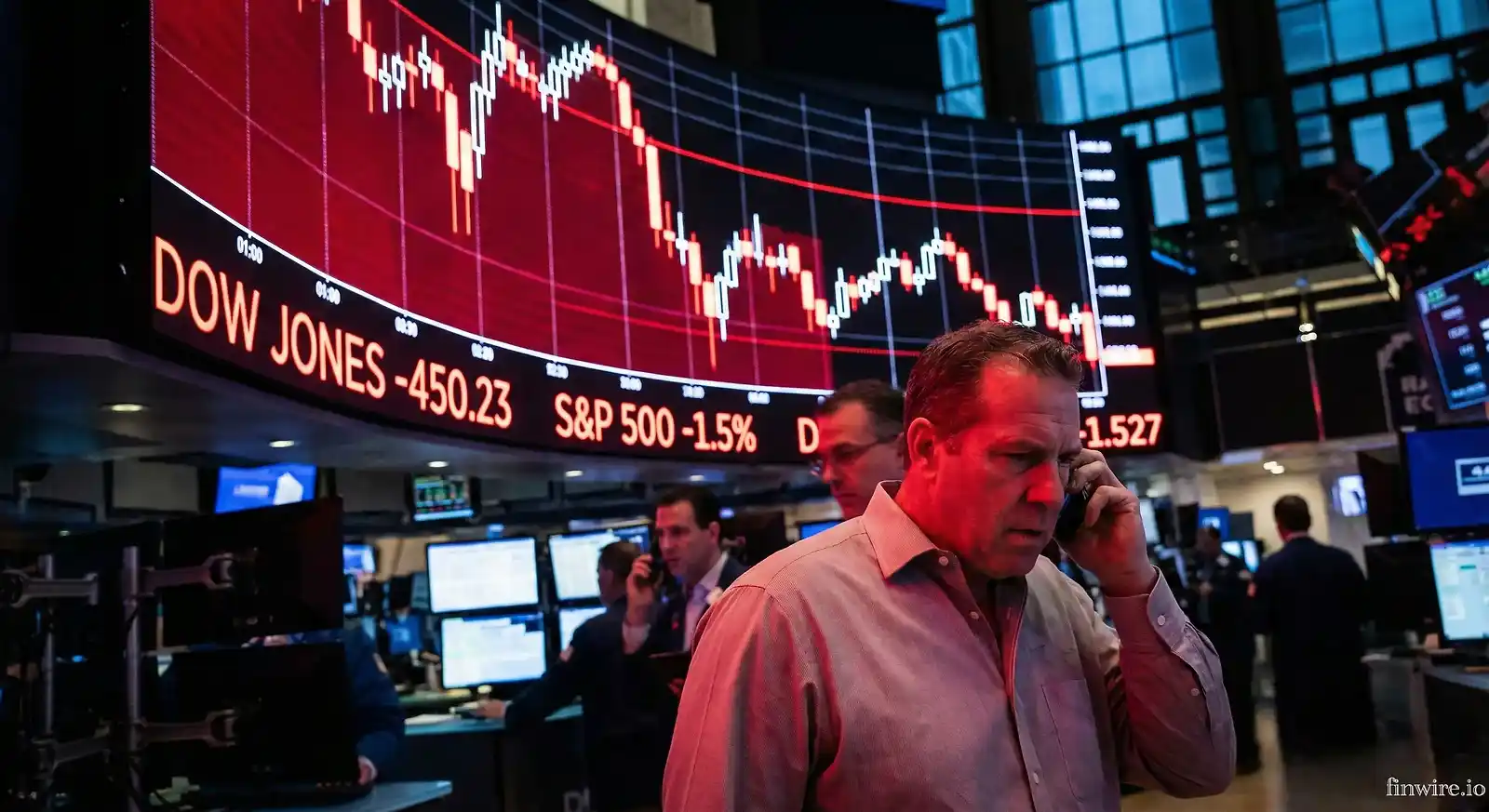
Wall Street on Tuesday extended losses, after President Donald Trump said the U.S. will respond to an Iranian attack that shot down an American helicopter. Sentiment had already been under pressure after a rally in chip stocks fizzled out and dragged down the technology sector.
Investors also digested a major development in the artificial intelligence space in the form of OpenAI’s confidential initial public offering filing. Some cautious trading emerged as well ahead of key U.S. inflation readings on Wednesday and Thursday.
At 12:48 ET (16:48 GMT), the benchmark S&P 500 declined 2% to 7,254.87 points, while the tech-heavy NASDAQ Composite plunged 3.4% to 25,055.57 points. The blue-chip Dow Jones Industrial Average shed 0.9% to 50,310.16 points.
The main averages on Wall Street ended mixed in the prior session, with the Dow edging down while the S&P and Nasdaq both advanced.
Underpinning the gain in the Nasdaq were chipmaking stocks, which rebounded from a sell-off on Friday brought on by underwhelming quarterly results from AI semiconductor firm Broadcom.
"While near-term two-way volatility may persist, we see reason to remain constructive on the broader AI buildout. Investors with excessive single-name exposure should seek opportunities to reduce concentration risk while maintaining exposure to the wider AI theme,” analysts at UBS said in a note.
On the economic calendar today, traders will be pouring through U.S. trade data for April as well as existing homes sales for May. But the main event this week is still to come: the all-important consumer price index for May is due out on Wednesday.
Crucially, the CPI report will likely provide some insight into how Federal Reserve policymakers will adjust monetary policy in the coming months. Markets are now betting that the Fed will raise interest rates at least once this year, given worries over energy-driven inflation and signs of a robust labor market.
Benchmark U.S. 10-year government bond yields, which tend to move inversely to prices, were last down nearly 1 basis point, yet continue to top levels before the outbreak of the war in late February. The rate-sensitive 2-year yield dipped almost 2 basis points.
Trump says U.S. in "final throes" of Iran deal
The bond moves come as Brent crude futures, the global oil benchmark, slipped 2.7% to $91.72 a barrel. Despite remaining well above pre-war levels, the decline soothed some immediate fears over a burst of inflationary pressure.
Analysts at Vital Knowledge flagged that the White House has suggested that a deal to end the more than three-month old war in Iran could be forged within days. Once a formal agreement is notched, "there will be swift move lower in yields and oil even if Hormuz conditions don’t fully normalize for a long time," they added.
Markets have been especially keen for U.S. President Donald Trump to make a deal which would reopen the Strait of Hormuz, a critical waterway for a fifth of the world’s oil that has been effectively shuttered to tanker traffic for months, blocking key supplies to countries around the world and elevating oil prices.
Trump said on Monday evening that the U.S. was close to reaching a peace deal with Iran, adding that the Strait of Hormuz would be open once it is signed. Speaking during a virtual rally, Trump also claimed that the U.S. had “decimated” Iran’s military and top leadership.
“I think we are winning that battle, but you’re really gonna win it over the next two weeks when we declare total victory,” Trump said.
“It’ll happen very soon and oil prices will come tumbling down.”
In individual stocks, shares of Nuvalent soared after GlaxoSmithKline agreed to buy the cancer drugmaker for $10.6 billion.
Vail Resorts shares, on the other hand, declined, after the firm slashed its full-year outlook. Low snowfall has weighed on visits to the company’s ski resorts.