Stocks end higher even as traders parse possible rate hikes in Fed minutes
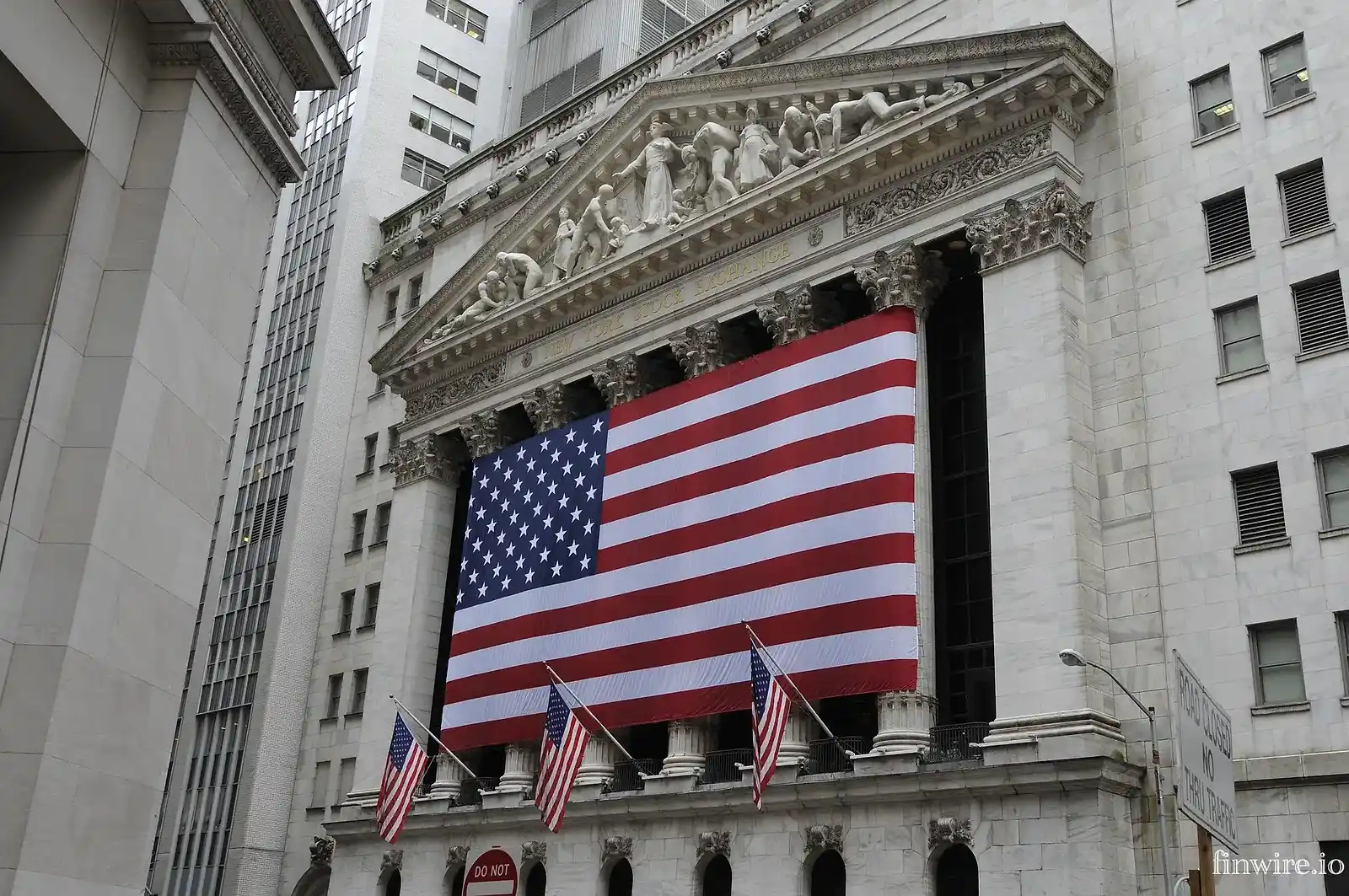
U.S. stocks ended in the green on Wednesday, though off their session highs, after the latest Federal Reserve minutes flagged the possibility of future rate hikes to fight inflation.
Markets had been solidly higher earlier, helped by a rebound in the technology sector. Traders also moved into equities and dumped bonds after strong economic data.
The benchmark S&P 500 index added 0.6% to close at 6,881.32 points, having risen as much as 1% before. The tech-heavy NASDAQ Composite added 0.8% to conclude at 22,753.64 points, paring back a gain of as much as 1.4%. The blue-chip Dow Jones Industrial Average climbed 0.3% to settle at 49,662.66 points.
Fed minutes flag possible rate hikes
The Fed minutes on Wednesday showed that almost all participants on the Federal Open Market Committee (FOMC) supported the decision to hold the federal funds rate steady at 3.50%-3.75% in late January.
However, in their discussions about the outlook for monetary policy, "several" FOMC participants said that they would have "supported a two-sided description" of future rate decisions.
This description reflects the "possibility that upward adjustments to the target range for
the federal funds rate could be appropriate if inflation remains at above-target levels," the committee elaborated.
"Markets are taking a bit of a breather following the release of the Federal Open Market Committee minutes. They remain positive overall but have pulled back slightly from levels seen before the release. Initially, the reaction appeared tied to headlines suggesting several members were in favor of a rate hike. However, a closer read of the minutes shows a more nuanced view," Steve Kolano, chief investment officer at Integrated Partners, told Investing.com.
"The minutes indicated that several members supported including language acknowledging the risk that inflation could persist or increase, and that the Fed needs to be prepared to address that threat if necessary," he said.
"This points more to a potential future scenario in which rate hikes could be warranted, rather than signaling that this is the base case. The broader consensus reflected stabilization in the labor market, but with inflation still above target, leaving the forward path highly dependent on incoming data," Kolano added.
Yields surge as bonds sell-off
U.S. Treasury yields surged as market participants sold off bonds following strong economic data.
U.S. Industrial production in January increased by 0.7% M/M, higher than anticipated. Moreover, manufacturing output rose 0.6%, the most in 11 months.
The data pointed to strength in the economy and further lent support to the case of the Fed keeping rates steady.
The benchmark United States 10-Year yield was up 3 basis points to 4.082%, while the shorter-end, more rate-sensitive United States 2-Year yield added 2 basis points to 3.460%.
The next big economic indicator is Friday’s PCE price index data for December. The PCE print is the Fed’s preferred inflation gauge.
Palo Alto’s guidance disappoints
The tech sector has been in the spotlight for most of the new year as worries remained around the outlook for an industry that has been jolted by the unveiling of a series of cutting-edge artificial intelligence tools. Some traders have begun to fear the AI models could disrupt a swath of businesses ranging from software and financial services to real estate and logistics.
At the same time, doubts have swirled around when massive investments in AI data centers will eventually start to reap significant financial returns.
Palo Alto Networks (NASDAQ:PANW) added to these concerns after the group delivered a quarterly top-and-bottom line beat, but provided profit guidance that fell short of expectations. Shares of the company slipped 7.5%.
Palo Alto offers cybersecurity through AI-driven platforms to protect networks and cloud operations. It provides services such as firewalls, threat intelligence, zero-trust network security, and secure access service edge solutions.
Elsewhere, there are earnings due from the likes of Booking Holdings (NASDAQ:BKNG), Carvana (NYSE:CVNA) and DoorDash (NASDAQ:DASH) on Wednesday.
Crude bounces after selloff
Oil prices edged up after tumbling nearly 2% in the previous session, as signs of progress in U.S.-Iran nuclear negotiations eased fears of supply disruptions and dampened risk premiums.
Brent Oil Futures expiring in April had risen 4.4% to $70.36 per barrel, while West Texas Intermediate (WTI) crude futures gained 4.6% to $65.08 per barrel.
Brent contract slipped nearly 2% on Tuesday, while WTI prices fell 1%.
Washington and Tehran reportedly reached an understanding on key “guiding principles” during talks in Switzerland on Tuesday, raising expectations of a potential deal that could eventually bring more Iranian crude to global markets.