Stocks crater, Dow slides more than 1,000 points as Middle East conflict widens
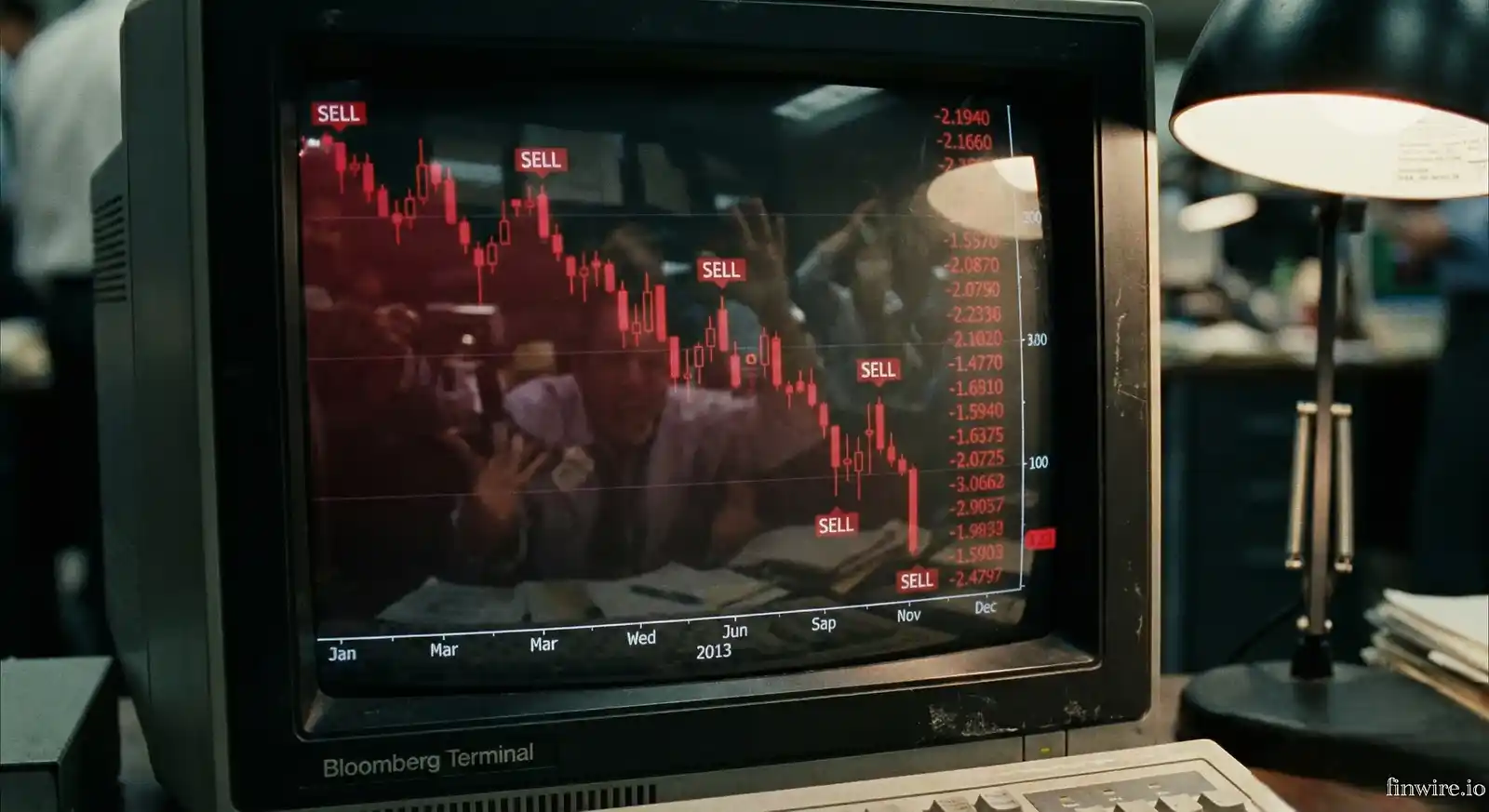
U.S. stocks slumped on Tuesday as the widening conflict in the Middle East increased concerns of slowing economic growth. The retail sector was also in focus after healthy results from Target.
At 10:53 ET (15:53 GMT), the benchmark S&P 500 index shed 2.1% to 6,738.38 points, the tech-heavy NASDAQ Composite declined 2.3% to 22,226.44 points, and the blue-chip Dow Jones Industrial Average slid 2.4% to 47,739.46 points.
On Monday, the S&P and Nasdaq both finished in the green, recovering from deep early losses sparked by weekend attacks on Iran by the U.S. and Israel, while the Dow slipped by just 0.2%, paring back much of its own sharp initial declines.
Inflation concerns weigh on sentiment
Sentiment has deteriorated, despite the reasonably positive close on Monday, on concerns that the conflict in the Middle East is widening, after a U.S. embassy in Saudi Arabian capital Riyadh was hit by Iranian drones as have Amazon data centers in the UAE and Bahrain, as Iran retaliated by launching strikes across several Middle Eastern countries.
The U.S. State Department said on Tuesday it has ordered the departure of non-emergency U.S. government personnel and family members from Bahrain, Iraq and Jordan.
The U.S. and Israel launched an air campaign against Iran on Saturday, striking Tehran and killing Iranian Supreme Leader Ali Khamenei. In response, Iran and its proxy Hezbollah retaliated, drawing the wider Gulf region into the escalating conflict.
Speaking at his first public event since the start of the attacks, U.S. President Donald Trump said "we’re already substantially ahead of our time projections," but noted that "whatever the time is, it’s okay."
"Whatever it takes," Trump said. He later claimed in a social media post that the U.S. has a "virtually unlimited" supply of some types of weapons.
The inflationary shock from the conflict is a major point of concern for investors, especially as oil prices rose sharply on concerns over supply disruptions. Markets feared that a sustained increase in oil could drive up inflation across the globe and elicit a more hawkish outlook from major central banks.
“The rise in the oil price represents a negative supply-side shock, which raises inflation and downside growth risks. The outcome for economies will depend on how long the conflict lasts,” ANZ analysts said in a note.
This backdrop has reinforced expectations that the Fed is unlikely to cut interest rates anytime soon.
Fed policymakers John Williams, Jeffrey Schmid and Neel Kashkari are scheduled to speak later in the day.
Target forecasts healthy sales growth
On the corporate calendar, Target (NYSE:TGT) forecast annual sales above estimates on Tuesday as the retailer prepares for a new era under CEO Michael Fiddelke.
The company expects 2026 net sales growth of 2%, compared with expectations of a rise of 1.76%, according to data compiled by LSEG, suggesting U.S. consumers remain reasonably upbeat despite facing an ongoing affordability crisis.
Its stock rose more than 3% after the opening bell.
Electronics retailer Best Buy (NYSE:BBY) also traded higher after reporting a fourth-quarter earnings beat.
Cybersecurity company CrowdStrike (NASDAQ:CRWD) is also due to release results Tuesday.
Packed economic data schedule
There’s little on the U.S. economic data slate Tuesday, but there’s a packed schedule later in the week, including January retail sales, ADP employment figures and the closely watched nonfarm payrolls report.
U.S. purchasing managers index data for February, released on Monday, read stronger than initially expected.
Manufacturing activity marked a second straight month of growth, while new orders also rose sharply past expectations.
But ISM data also showed manufacturing prices rising sharply in February, even before the potential energy shock from the Middle Eastern conflict.
Crude continues to surge
Oil prices continued to surge, adding to the previous session’s sharp gains, as threats to flows through the Strait of Hormuz continued to underpin supply disruption worries.
Brent futures soared 7.3% to $83.44 a barrel and U.S. West Texas Intermediate crude futures rose 7.8% to $76.76 a barrel.
Both contracts closed more than 7% higher after climbing as much as 13% to one-year highs on Monday.
Tensions have intensified after Iranian officials vowed to attack any ship attempting to pass through the Strait of Hormuz, raising the prospect of disruption to crude flows from the major Gulf producers.