Premarket: Wall Street futures rise on AI optimism, Mideast truce hopes
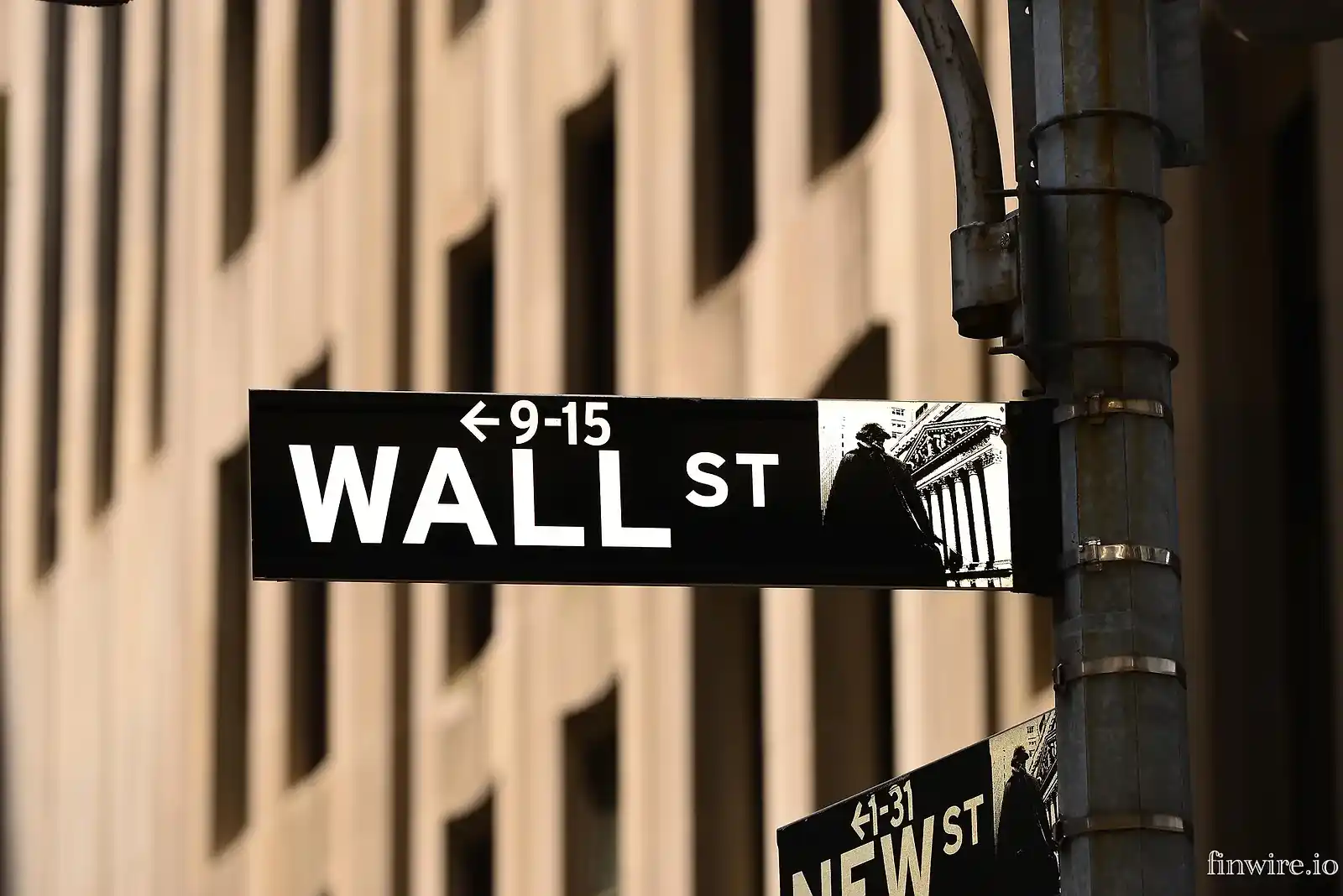
U.S. stock index futures extended gains on Wednesday, helped by sustained AI-driven momentum, while investors were cautiously optimistic that the U.S. and Iran would reach a deal.
A fragile truce between Tehran and Washington remained in place despite recent U.S. strikes near the Strait of Hormuz, which Iran called a “gross violation” of the ceasefire agreement.
“The evolving situation in the Middle East and still-elevated bond yields may put the global stock rally to the test. Bouts of market volatility remain likely, as investors react to fresh headlines,” UBS analysts said.
“But we also think strong earnings should support further gains for equities over the medium term, and we see attractive opportunities across regions.”
At 6:34 a.m., Dow E-minis were up 228 points, or 0.45%, and S&P 500 E-minis were up 23 points, or 0.31%. Nasdaq 100 E-minis were up 144 points, or 0.48%.
Both the S&P 500 and the Nasdaq closed at record highs on Tuesday, driven by renewed confidence around AI, as Micron surpassed $1 trillion in market value for the first time.
Shares of the memory chipmaker Micron gained 5.8% in premarket trading. Peers SanDisk, Western Digital and Seagate Technology were up between 1.7% and 2.3%.
A strong earnings season and expectations of about 29-per-cent year-on-year growth in the first quarter have aided the rally on Wall Street, with the blue-chip Dow Jones .DJI becoming the last major index to hit a record high on Friday.
Goldman Sachs raised its 2026 year-end forecast for the S&P 500 to 8,000 from 7,600, citing continued strength in corporate earnings.
Markets will next look toward the personal consumption expenditures index data on Thursday. The Federal Reserve’s key inflation measure could provide fresh clues on the monetary policy path forward under new chair Kevin Warsh.
Money markets currently expect the Fed to keep rates steady for the rest of the year, with some pricing in a 25 basis point hike in December.
Among early movers, Zscaler tumbled 23.9% after the cloud security firm projected fourth-quarter revenue below expectations.
GlobalFoundriesfell 6.9% after Bloomberg News reported majority owner Mubadala Investment Company was seeking to raise $1.91 billion from an unregistered block sale of GFS shares.
U.S.-listed shares of Chinese e-commerce firm PDD Holdings slipped 5% after reporting quarterly revenue below estimates.
Global shares advanced and oil prices eased on Wednesday as markets looked for signs of whether a shaky truce between the United States and Iran will be extended.
European shares gained 0.3 per cent, following advances for Asian markets, including record highs for Japanese and South Korean stocks fuelled by optimism over AI. MSCI’s All-Country World Index also added 0.2 per cent.
Iran said on Tuesday U.S. strikes near the contested Strait of Hormuz represented a “gross violation” of a ceasefire in place for nearly seven weeks. The U.S. said its attacks were defensive in nature.
“A deal might not yet be as imminent as hoped over the weekend,” Deutsche Bank analysts wrote. “However it seems talks remain on track despite the targeted U.S. strikes.”
Overall, sentiment remained vulnerable as talks continued, aiming to reach a lasting halt to the three-month-long conflict that has rocked energy markets. Investors were also watching central banker comments for how the crisis is affecting the outlook for inflation and interest rates.
Earlier, Asia-Pacific shares outside Japan rose for a fifth straight day to an all-time high, adding 1.1 per cent.
Japan’s Nikkei gained 0.5 per cent, trading above the 66,000 mark for the first time. South Korea’s KOSPI also hit a record high, gaining 3.4 per cent as chipmaker SK Hynix surged beyond US$1 trillion in market value for the first time.
Domestic rival Samsung surpassed the US$1 trillion mark for the first time in early May, while U.S.-listed Micron did so on Tuesday.
The safe-haven dollar held on to gains from the previous session.
Meanwhile, U.S. crude fell 2 per cent to US$92.04 a barrel, and Brent lost 1.5 per cent to US$98.07 per barrel, after a nearly 4 per cent surge in the prior session, sparked by the new U.S. strikes.
The dollar index, which measures the greenback against a basket of currencies, was little changed at 99.07. It added 0.15 per cent on Tuesday.
The yen hovered at 159.29 per dollar, near its May low that spurred Japanese currency intervention.
Bank of Japan Governor Kazuo Ueda struck a hawkish posture on Wednesday, saying the war-driven oil shock could become persistent in an environment of high-inflation expectations and rising wages. European Central Bank board member Isabel Schnabel a day earlier advocated for an interest rate hike in June even if a U.S.-Iran peace deal is reached.
The euro rose 0.2 per cent to US$1.16.
New Zealand’s dollar jumped 0.7 per cent against the dollar to US$0.5878 after the central bank held interest rates steady but said rates would need to move up sooner.
“We have seen a previously dovish central bank, faced with an economy operating with a negative output gap, prepared to hike rates sooner and more aggressively than previously,” ING analysts noted.
In bond markets, the yield on benchmark U.S. 10-year notes fell 1.8 basis points to 4.473 per cent, down for a third day to the lowest since May 14.
On a light day for economic data, markets were looking forward to Thursday’s release of the personal consumption expenditures (PCE) index, the measure favoured by the Federal Reserve for setting its 2-per-cent annual inflation target.
Reuters