Resource shares help lift TSX to eight-day high
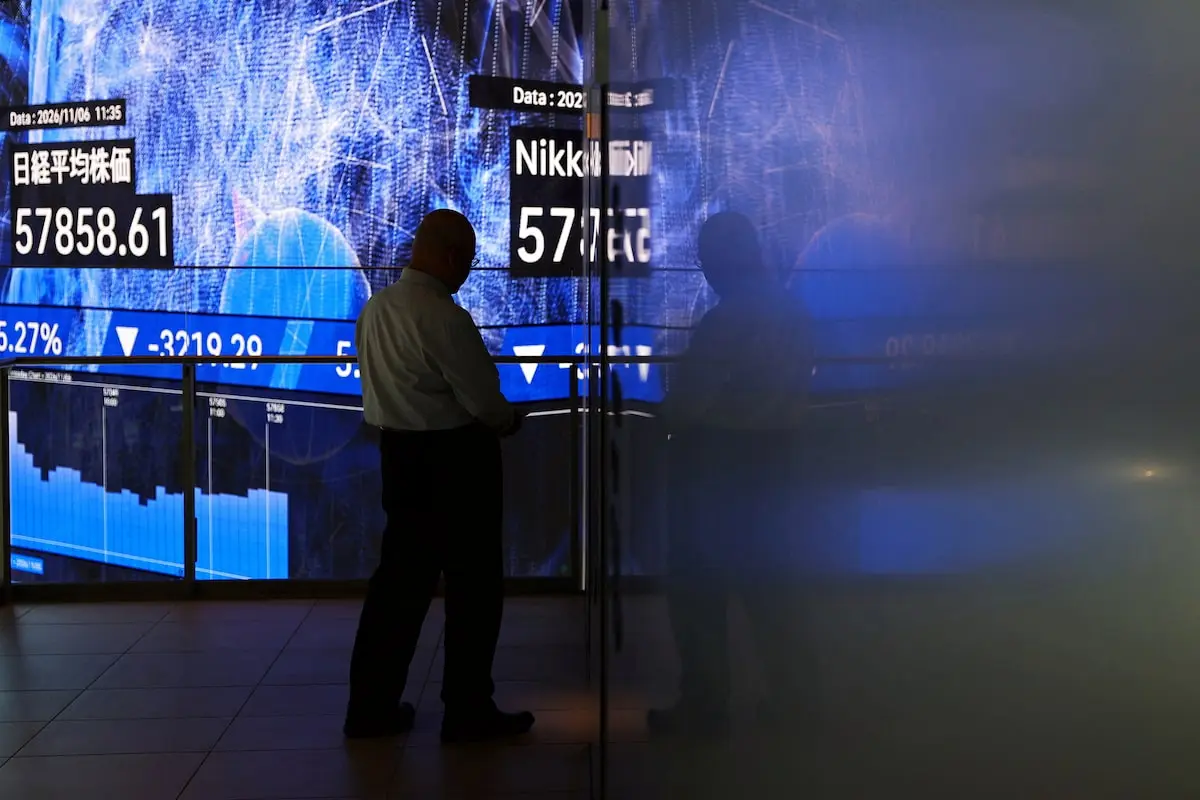
Canada’s main stock index rose to an eight-day high on Thursday, led by gains for energy and metal mining shares, as investors grew optimistic that market volatility would fade.
The S&P/TSX Composite Index ended up 246.89 points, or 0.7 per cent, at 34,426.88, its highest closing level since November 18.
Stock markets in Europe and across Asia also rallied as the latest salvo of U.S. tariffs looked less damaging than first feared and after the U.S. Thanksgiving holiday appeared to offer a welcome break from AI jitters
“We’re coming off quite a lot of volatility over the last week and you’re seeing some big moves in commodity markets and the whole AI trade in the U.S. has been quite volatile,” said Michael Dehal, a senior portfolio manager at Dehal Investment Partners at Raymond James
“We do think that a lot of the excesses in the markets have been washed out and we could be set up for a year-end rally,” Dehal said.
The energy sector added 1.9 per cent after Yemen’s Houthis said they hit Saudi Arabia’s largest oil refinery and Iran said mines struck ships in the Strait of Hormuz, boosting the price of oil.
The materials sector, which includes metal mining shares, gained 1.7 per cent as copper prices rebounded on bargain hunting.
Technology rose 0.9 per cent and industrials ended 0.6 per cent higher.
Global markets tumbled on Wednesday with riskier assets under pressure after the Trump administration proposed sweeping new tariffs on 14 trading partners, though Canada was not among them.
Adding to worries were revived concerns over the outlook for AI growth and data that showed U.S. inflation rose further in October, which reinforced expectations of a quarter-point interest rate hike by the Federal Reserve by end-2026.
Alimentation Couche-Tard CEO Alex Miller said the retailer does not plan to raise the price in its offer for Polish convenience store operator Zabka or extend the acceptance period.
A Globe and Mail report said on Wednesday Canadian pipeline operator Enbridge is in talks with a consortium of Indigenous communities to sell a 6-per-cent stake in its Line 3 crude oil pipeline for roughly $1.5-billion.
Stock markets rallied on Thursday as the latest salvo of US tariffs looked less damaging than first feared, while investors digested news that the next head of the European Central Bank was likely to be Spanish central banking veteran Pablo Hernandez de Cos.
The U.S. Thanksgiving holiday appeared to offer a welcome break from AI jitters, with shares in Europe rebounding nearly 2 per cent after solid gains across Asia.
Shares in London-listed Imperial Brands jumped as much as 17.6 per cent after U.S. tobacco group Altria said it was considering a possible all-cash offer for the company and Bloomberg News earlier reported Japan Tobacco was also weighing a bid.
Spain’s De Cos is set to be nominated to replace Christine Lagarde atop the ECB in a move that suggests policy continuity at Europe’s most powerful financial institution. The widely telegraphed move prompted scant market reaction.
The euro was last flat at $1.0972, while German 10-year government bond yields, which serve as a benchmark for the wider euro zone, were up 5 basis points on the day at 3.268 per cent, little changed from levels traded earlier.
“He is not an ‘unknown quantity’ to the markets, which, in my view, have no reason to expect any major changes at the ECB. On the hawk-dove spectrum, he is generally considered to be near the centre, much like Lagarde,” Bruno Cavalier, chief economist at Oddo BHF, said.
Analysts said the White House proposals for new tariffs on 14 major trading partners including China, Japan and the European Union on Wednesday sprang no nasty surprises and, crucially, will not stack on top of those imposed in July. The new rates are also unlikely to be imposed until February or March.
Wall Street is closed on Thursday for Thanksgiving, but futures are trading. S&P 500 futures and Nasdaq futures rallied around 0.7 per cent apiece, having come back from sharp early losses during the previous session.
China said on Thursday it reserves the right to take necessary measures in response to the latest U.S. tariffs, while Singapore urged Washington to rethink.
“I think the market, barring very extreme numbers, will discount some of this (tariff) news,” Tristan Hanson, multi-asset fund manager at M&G, said. He added that the rally had taken its cue from US markets steadying overnight, although concerns about the AI trade and vast spending on infrastructure to build out the technology remained.
“In recent days, the fear level has been quite palpable,” he said.
Tech giant Nvidia remained a source of unease after S&P put its credit rating on watch for a possible downgrade, citing weaknesses in the chipmaker’s management and board.
Elsewhere in tech, Elon Musk said overnight that every child in the U.S. will receive two shares in SpaceX, the space and AI company he runs, pledging a gift worth some US$18-billion.
Bond investors are wondering if the broad losses in global stocks this month coupled with doubts about the durability of AI-driven business investment might temper the hawkishness of central banks.
While futures imply a 98 per cent chance the Fed will raise rates by 25 basis points in December, speculation of a half-point increase has faded.
In currency markets, the dollar index was little changed at 103.76, while the dollar was broadly flat on the yen at 159.23, with the risk of intervention keeping 160.00 resistance intact.
The Bank of Japan must respond swiftly to signs of an inflation overshoot, including by accelerating the pace of interest rate hikes, hawkish board member Naoki Tamura said on Thursday, keeping alive prospects of a rate increase as soon as December.
In commodity markets, oil prices gained after Yemen’s Houthis said they hit Saudi Arabia’s largest oil refinery and Iran said mines struck ships in the Strait of Hormuz.
Brent futures rose 1.5 per cent to US$96 a barrel, while U.S. crude futures added 1.2 per cent to US$84.72 a barrel.
Gold dipped 0.2 per cent to US$3,574 an ounce, having fallen about 8 per cent so far this month to hit one-year lows.
Reuters