Oil spikes, TSX suffers biggest decline in a month, as Iran tensions and inflation jitters reignite
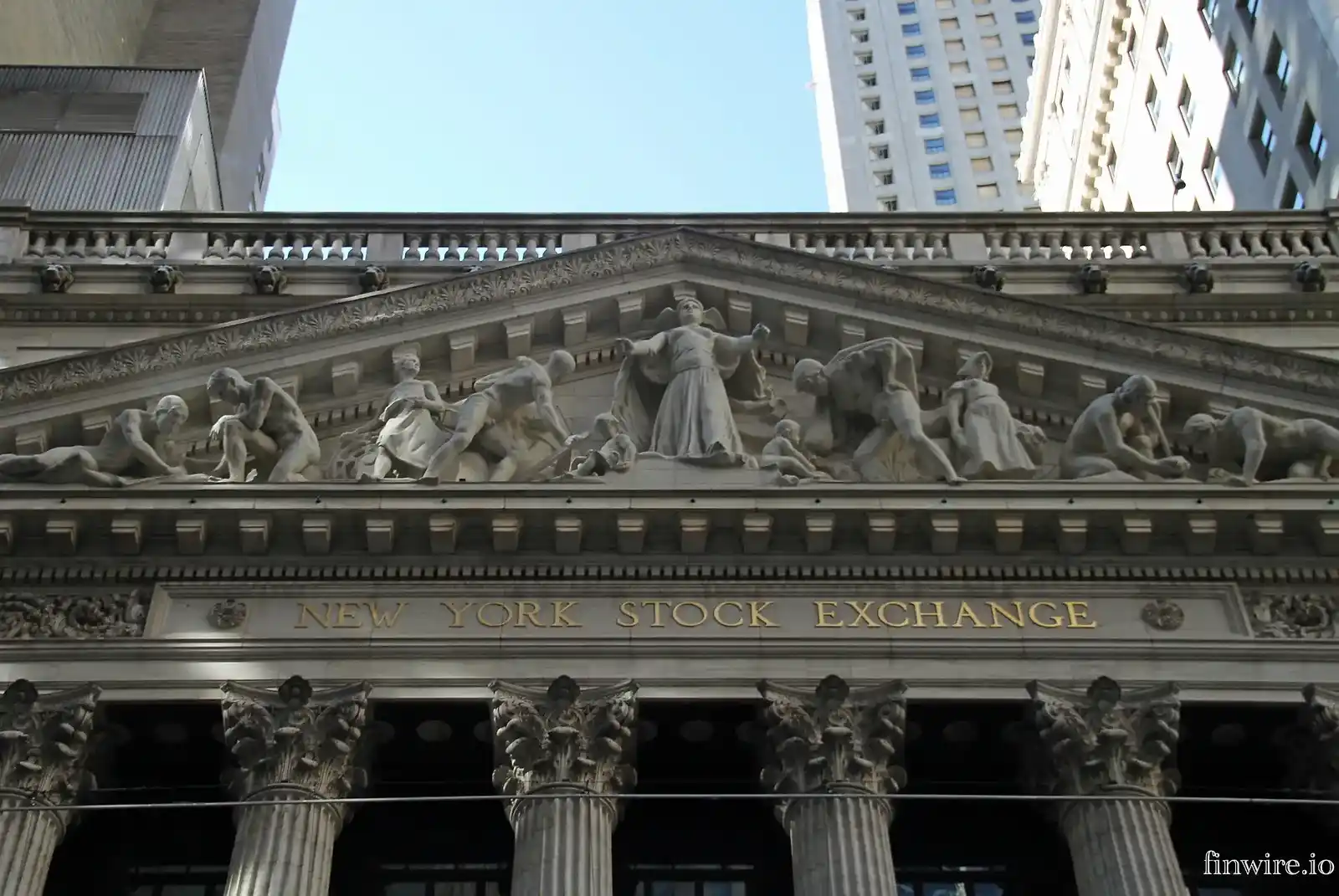

People work on the floor of the New York Stock Exchange (NYSE) on July 7.Spencer Platt/Getty Images
Global investors had a stark reminder of how quickly the oil market can reignite concern about inflation and volatility, after U.S. President Donald Trump said on Wednesday that an interim agreement with Iran to end the war “is over”.
Oil surged about 5%, sending inflation-sensitive assets such as bonds and gold lower. The S&P 500 and S&P/TSX Composite benchmarks both lost about 1% in Wednesday’s session.
Trump later ruled out the restart of full-fledged war with Iran, pulling oil benchmarks lower from the session’s highest gains of near 9%. Still, the latest flare up in tensions has likely put a ceiling on the number of vessels willing to pass the Strait of Hormuz, analysts from RBC Capital Markets said in a note.
“Fundamentally, the events of the last few days significantly weaken any confidence that the current 60-day truce can still evolve into a permanent peace agreement,” said Jorge Leon, head of geopolitical analysis at consultancy Rystad Energy.
A fifth of global oil supplies moved through the Strait before the Iran war began on February 28 after U.S.-Israeli airstrikes against Tehran. Iran has maintained a chokehold on vessel movements through the busy waterway since then, forcing other Middle Eastern oil producers to cut millions of barrels of oil production due to their inability to export at the same rate as before.
Brent futures at close to $78 a barrel are far from the $100-and-above at which they traded for two months from mid-March, which had policymakers’ inflation gauges flashing bright red.
Prices had fallen rapidly after the U.S. and Iran signed an initial memorandum of understanding in June, reopening the Strait of Hormuz, as oil from tankers that had been stranded inside the Gulf hit the market, causing a mini-glut.
Still, the news hit at an inconvenient time for stocks. Some doubt is creeping into the AI story, as traders ask whether companies that have raked in billions of dollars for chips and AI models will keep doing so if supply bottlenecks ease, or if demand does not pan out as they expect.
Since the Nasdaq’s record high on June 1, the makers of memory chips have been subject to a volatile downward correction. An ETF of memory chip shares has fallen nearly 8%, while the Philadelphia semiconductor index is down 5%.
The world beyond AI has fared much better. The equal-weight S&P 500, which strips out the outsized impact of the largest stocks, has risen nearly 3%, and Europe’s “AI-poor” STOXX 600 is up 4%.
“Duration is the key here. How long does this go on?” said Rob Haworth, senior investment strategist at U.S. Bank Wealth Management in Seattle. “If we see damage to Iranian infrastructure, the market may have to respond more seriously to that because there’s likely Iranian retaliation.”
Meanwhile, the reignited inflationary concerns were easy to spot in the bond market. Yields in both the U.S. and Canada jumped after Trump’s comments, taking their cue from oil prices, as traders raised their expectations of price increases and positioned for higher interest rates reversing recent weeks’ reduction in bets on hikes.
The 10-year Canadian bond yield was up as much as 9.5 basis points at 3.590%, its highest level since May 21.
The Canadian dollar rose about a quarter of a U.S. cent to 70.59 cents US. The currency often benefits from higher crude prices, but rate hike expectations was also supportive of the loonie. Traders see a roughly 60% chance the Bank of Canada will raise interest rates this year, up from 40% on Tuesday, money market data showed.
Canada’s main stock index fell by the most in one month, paced by declines for financial and metal mining shares. The TSX ended down 336.79 points, or 0.95%, at 34,935.80, marking its biggest decline since June 5 and its lowest closing level since June 30. The energy sector rose nearly 4%.
The materials sector, which includes metal mining shares, fell 3.2%. The price of gold was down 0.7% as higher interest rates would likely be bearish for the currency.
Among stocks, Air Canada shares closed down 2.1% as the airline named the French-speaking head of Scandinavian airline SAS, Anko van der Werff, as CEO.
The S&P 500 declined 0.28% to end the session at 7,482.71 points. The Nasdaq gained 0.20% to 25,870.65 points, while the Dow Jones Industrial Average declined 1.09% to 52,348.39 points. The PHLX chip index rose 2.23%. Nine of the 11 S&P 500 sector indexes declined, led lower by industrials, down 3.41%, followed by a 2.45% loss in materials.
SpaceX fell 0.8% to $148.38, the satellite and rocket company’s lowest close since its Wall Street debut on June 12. Microsoft and Alphabet each fell more than 1%, while Meta Platforms lost 2%. Helping keep the Nasdaq in positive territory, Broadcom rallied 4.8% after Apple said it plans to spend more than US$30 billion as part of a chip-supply agreement reached earlier this week with the chipmaker.
Nvidia rose 3.65% after the Information reported that China plans to allow its top AI firms to buy a limited number of the company’s H200 chips.
Energy price-sensitive travel stocks fell on Wall Street as higher oil prices stoked concerns over fuel costs and demand. United Airlines and Delta Air Lines both lost more than 1%. Cruise operators also slipped, with Carnival down 3.9% and Norwegian Cruise Line losing 1.9%.
The International Monetary Fund on Wednesday once again lowered its 2026 global growth forecast to 3%, warning of ongoing risks posed by the war in the Middle East. Inflation worries mounted at the U.S. central bank’s meeting last month, as officials followed Federal Reserve Chairman Kevin Warsh’s lead to a more stripped-down policy statement, minutes of the session showed on Wednesday.
Traders project a likely rate hike by the Fed’s December meeting, according to CME’s Fedwatch.
Declining stocks outnumbered rising ones within the S&P 500 by a 3.5-to-one ratio. Volume on U.S. exchanges was relatively light, with 17.8 billion shares traded, compared to an average of 23.0 billion shares over the previous 20 sessions.
Reuters, Globe staff