New Zealand’s Luxon set to retain power with narrow majority

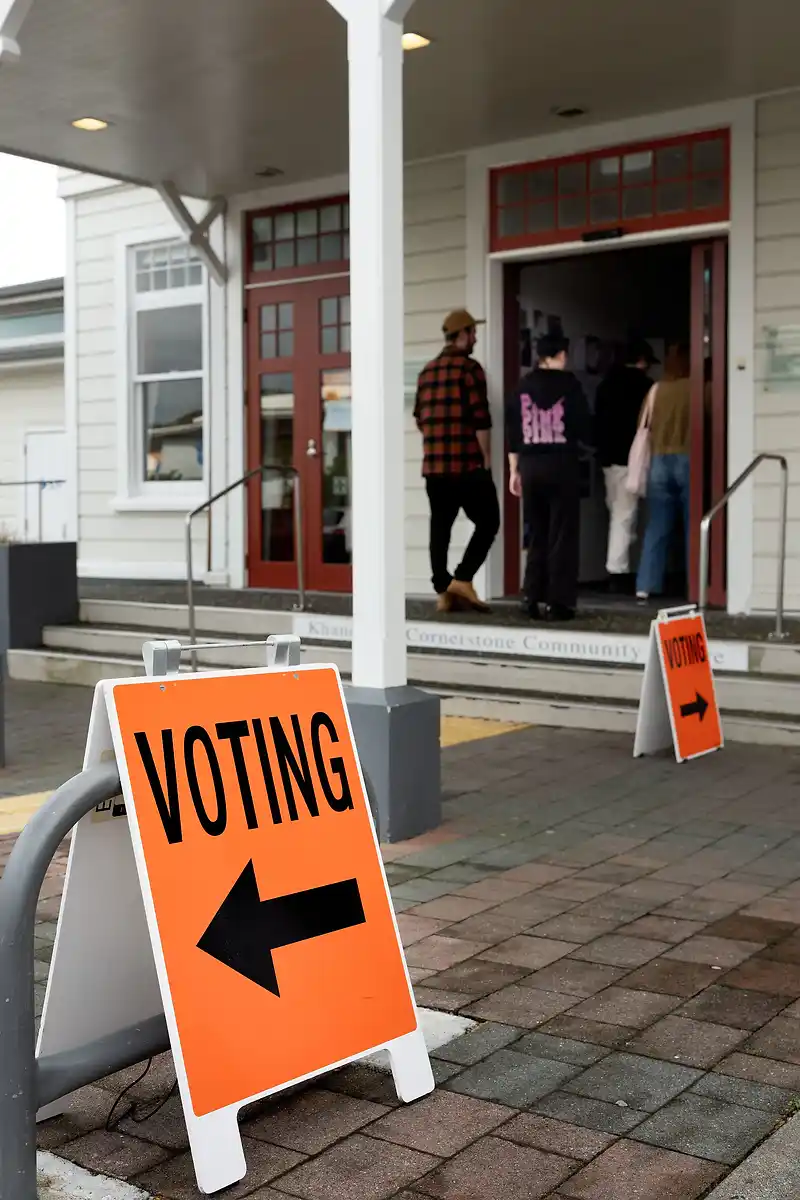
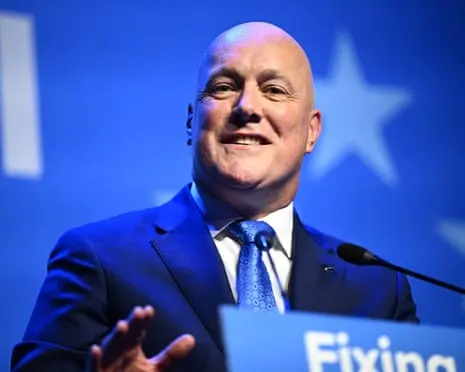
New Zealand Prime Minister Christopher Luxon is expected to remain in power following Saturday’s election, but his coalition government faces a razor-thin majority and potential loss of key ministries to right-wing partners.
Both the centre-right National Party and the opposition Labour Party received less than 30% of votes for the first time in their history. National secured 32% of seats while Labour won 27%, according to current vote counts. Neither party achieved a majority.
Preliminary data from the New Zealand Electoral Commission indicates Luxon’s three-party coalition could govern with a majority of just two seats. This margin may disappear when overseas and special votes are included in the final count on November 27. These votes represent one-seventh of the total and typically favor left-leaning parties.
If the majority disappears, Luxon may need support from a fourth party, the centrist Opportunity Party, which appears set to enter parliament for the first time.
Kelly Eckhold, New Zealand chief economist at Westpac, said any government would find it difficult to introduce policy and would lack a strong mandate to rule. "Whatever government that’s formed is going to rely on the goodwill of every individual member of parliament," he said.
Luxon will govern without key National Party moderates who lost their seats, including Finance Minister Nicola Willis and Transport Minister Chris Bishop. He will likely need to elevate members from coalition partners who favor more conservative economic and social policies.
New Zealand First wants stricter controls on net migration and has called it "imperative" to control the country’s immigration ministry in any new government. David Seymour, leader of the libertarian ACT Party, said Monday that National holding the finance ministry is "no longer tenable." ACT seeks to lower government debt through steep cuts to public spending.
The weak performance by National and Labour reflects a pattern seen in other developed nations, where major parties have lost ground to smaller parties. Only Jacinda Ardern led Labour to a majority of seats in 2020, the first time since 1993.
Opportunity Party leader Qiulae Wong said Monday she will negotiate first with whoever secures the most seats in parliament. The party wants tax policy changes including an annual NZ$19,400 universal basic income for most New Zealand residents funded by a 1.75% annual land tax.
Luxon survived two attempts by National Party lawmakers to remove him in the months before the election.