Nasdaq futures rise over 900 points: 5 things to know before Wall Street opens
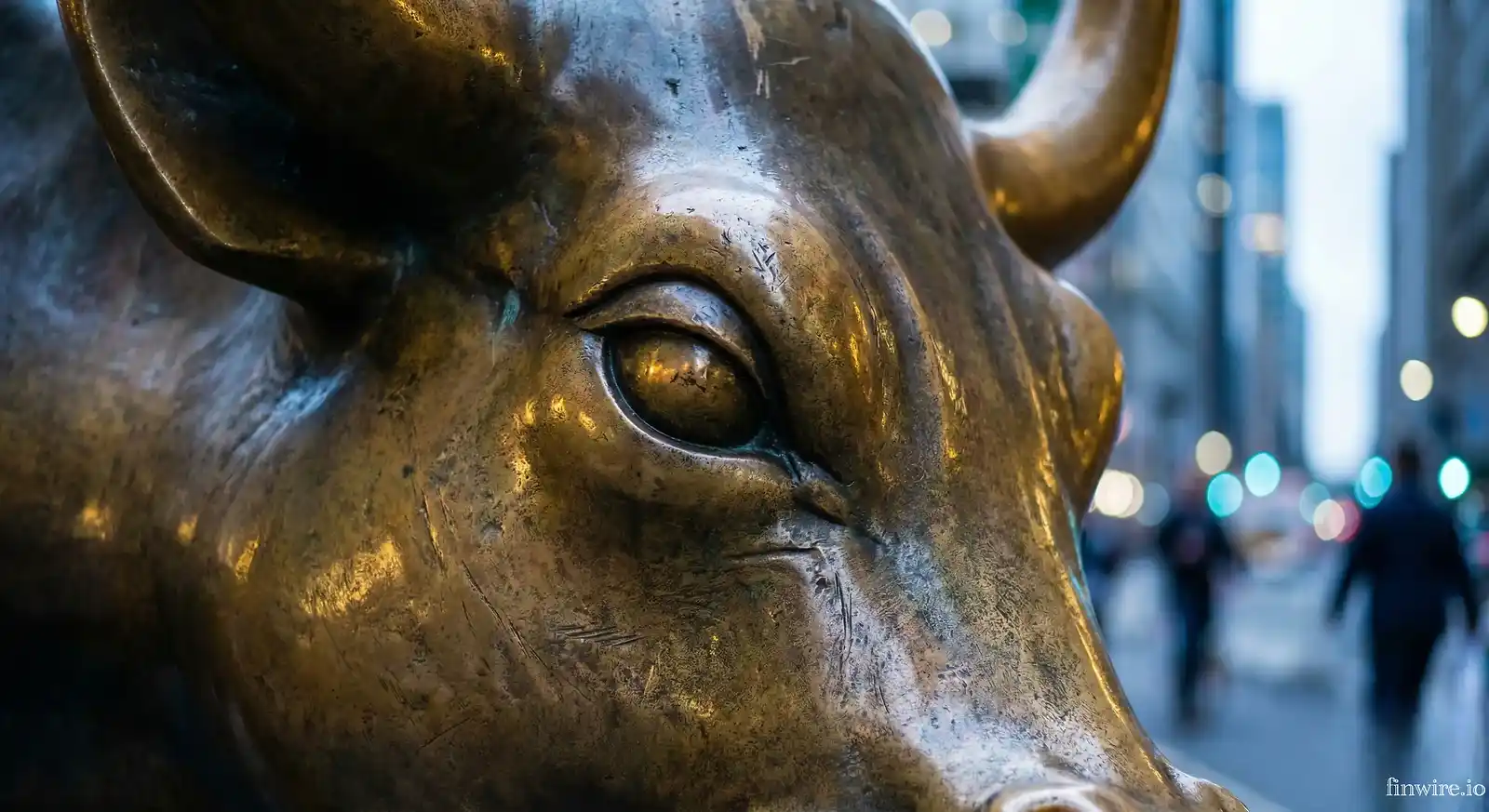
US stock futures surged on Monday as investors returned to battered technology shares after a sell-off drove major Wall Street benchmarks into correction territory. Dow futures jumped 761 points, or 1.58%, while S&P 500 contracts gained 2.24% and Nasdaq 100 futures climbed 3.02% or 919 points. The advance followed a week in which the Nasdaq lost about 10%, its biggest weekly decline since March 2020. Yet questions remain over Nvidia's leadership, Federal Reserve policy and whether AI investment can deliver sustainable profits. 5 things to know before...
US stock futures surged on Monday as investors returned to battered technology shares after a sell-off drove major Wall Street benchmarks into correction territory.
Dow futures jumped 761 points, or 1.58%, while S&P 500 contracts gained 2.24% and Nasdaq 100 futures climbed 3.02% or 919 points.
The advance followed a week in which the Nasdaq lost about 10%, its biggest weekly decline since March 2020.
Yet questions remain over Nvidia's leadership, Federal Reserve policy and whether AI investment can deliver sustainable profits.
Track Nasdaq futures as tech rebounds
Visit SiteNasdaq’s bounce hinges on Nvidia and Fed signals shaping AI sentiment.51% of retail investor accounts lose money when trading CFDs with this provider.5 things to know before Wall Street opens
1. Nvidia faces fresh questions over China chip sales
Nvidia faces renewed scrutiny after Treasury Secretary Scott Bessent said on Sunday that US officials want to establish who oversaw compliance with restrictions on semiconductor exports to China.
His comments followed Jensen Huang's resignation and Washington's decision to tighten rules on Chinese access to advanced computing.
President Donald Trump has urged Nvidia's board to reinstate Huang, but directors have ruled out his return. The stock lost 14.01% on Friday despite recently reporting record sales.
2. Fed expectations face a busy economic calendar
Preliminary November US manufacturing and services purchasing managers' indexes arrive at 9:45 am ET on Monday, offering an early reading of business activity.
More consequential reports follow on Wednesday: October personal consumption expenditures inflation and the second estimate of third-quarter GDP, both due at 8:30 am.
Treasury Secretary Bessent warned on Sunday that excessive monetary tightening could become a policy mistake, but Fed officials have continued to highlight stubborn inflation.
3. Asian rescue efforts fail to arrest Korea's decline
South Korea's KOSPI closed 3.31% lower after falling nearly 6% intraday, despite authorities preparing a stock-market stabilisation fund.
Taiwan's shares gained around 2.1% as official purchases and tighter short-selling restrictions helped contain losses. China announced an easing of stock margin-financing requirements, effective later this month.
Japanese cash markets were shut for a holiday.
The different outcomes underline the difficulty of halting an AI-driven sell-off through policy assurances alone.
Falling Korean chip stocks also raise questions about how broadly the US rebound can spread.
4. HPE and Dell prepare to test AI server demand
Hewlett Packard Enterprise reports fiscal fourth-quarter results after Monday's closing bell, with its earnings call scheduled for 5 pm ET. Dell follows on Tuesday.
Investors will examine AI server orders, networking demand and margins for evidence that data-centre spending remains commercially attractive.
The distinction between robust equipment orders and the returns those investments generate has become central to technology valuations.
Both companies could offer fresh insight beyond Nvidia's processors, including demand for memory, storage and enterprise infrastructure.
5. Oil dips as supply concerns compete with Gulf threats
Brent futures fell about 0.5% to $92.10 a barrel at 07:38 GMT, while US West Texas Intermediate traded near $82.98.
The decline came despite a claim by Yemen's Houthi movement that it attacked a Saudi refinery and fresh reports of shipping incidents near the Strait of Hormuz. The refinery claim remains unverified.
Traders are balancing those risks against recovering supplies and a potential global surplus.