Is investor appetite for AI running out? Why Ranmore is turning to Asia
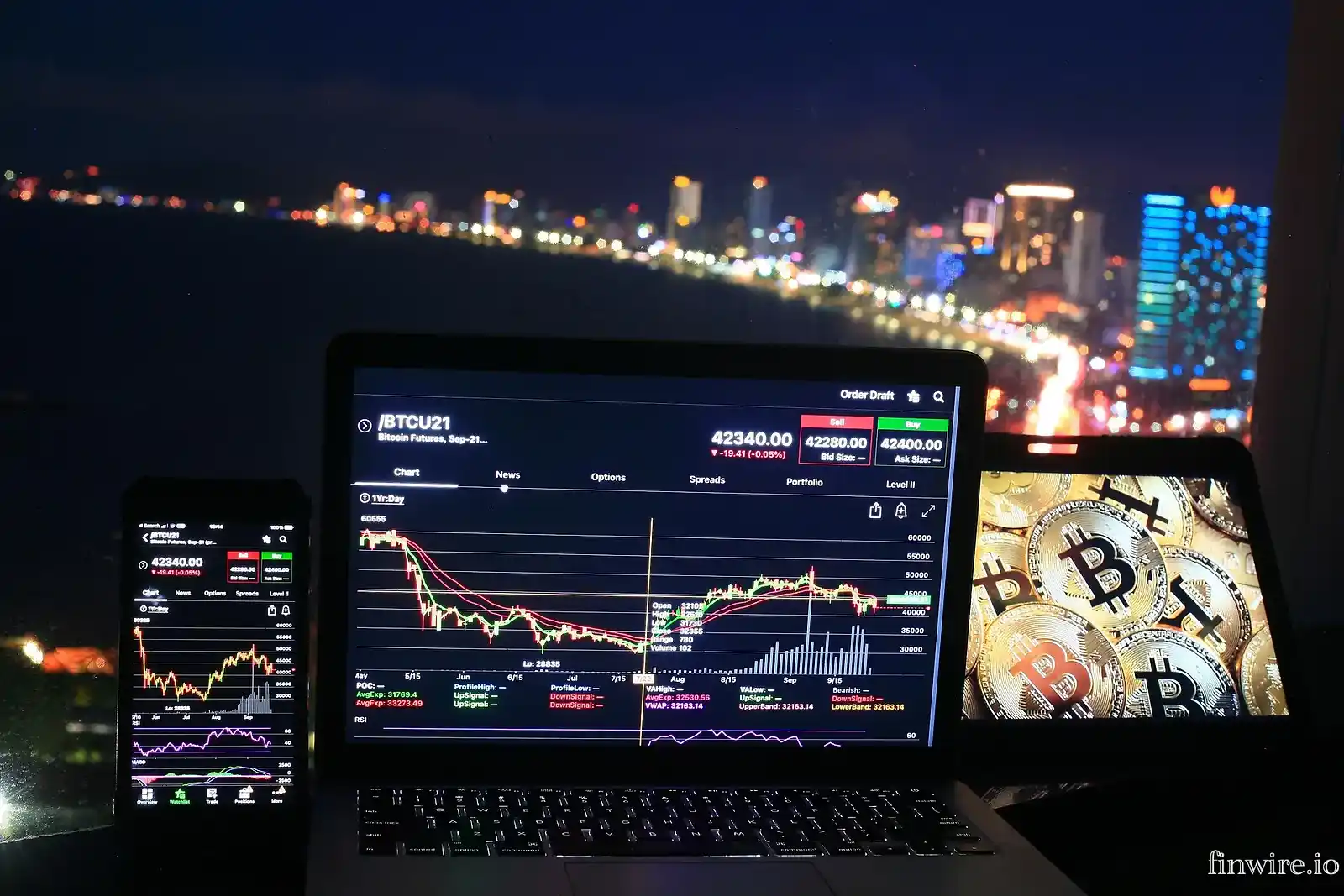
A wave of mega listings and fundraisings tied to artificial intelligence may signal that investor demand for the theme is close to exhausted, according to Sean Peche, founder and portfolio manager at Ranmore Fund Management.
In a recent article, Peche noted that surges in listings and takeovers have historically come near market peaks, citing the AOL-Time Warner merger ahead of the 2000 dot-com top, Blackstone’s 2007 IPO before the financial crisis, and the SPAC boom in 2021.
He said investors are now asking whether SpaceX’s $1.8 trillion listing in June and Anthropic’s pending listing of about $1.5 trillion point to a similar peak.
Peche added that new share supply absorbs investor demand, pointing to large capital raises this year by SpaceX, Alphabet, Intel and Meta.
He highlighted reports that OpenAI raised just $11 billion of a targeted $30 billion in late October, at a lower valuation than it sought.
“Perhaps investor appetite for the AI theme is finally satiated,” Peche wrote.
However, he said bubble concerns matter less for Ranmore’s fund, which overlaps with only 2% of the MSCI World Index. He argued that investors selling non-AI stocks to chase AI have created bargains elsewhere, particularly in Asia.
Peche compared Spotify (NYSE: SPOT), which trades at about 39 times earnings after adjusting for its cash, with Ranmore holding Tencent Music Entertainment (NYSE: TME). After stripping out Tencent Music’s cash and its stakes in Spotify and Universal Music, he estimated the core business trades at about 6 times earnings.
“That means we’re essentially paying 6x earnings vs 39x for Spotify and we have the margin of safety of a large cash and investment securities balance, limiting our downside – useful in turbulent times,” he said. “This asymmetrical investment opportunity hopefully explains why we aren’t too worried about any potential US market highs.”

AI Spending Vs. Nasdaq Sell-Off: Why Wall Street May Be Misreading the Boom
Market Analysis by covering: Nasdaq 100, Microsoft Corporation, Oracle Corporation, Amazon.com Inc. Read 's Market Analysis

Asia Open: The Fed Gives, Big Tech Takes as Alphabet Face-Plants
Market Analysis by Stephen Innes covering: S&P 500, Microsoft Corporation, Alphabet Inc Class A, Brent Oil Futures. Read Stephen Innes's Market Analysis

Asia’s stock markets dive as Anthropic debut fails to allay AI bubble fears
Indexes in Japan, South Korea, Taiwan and Hong Kong fall amid tech sell-off.
Nasdaq, SMH: Have We Found a Major Top on the AI Trade?
Market Analysis by Lee Yang covering: Nasdaq 100, S&P 500, Dow Jones Industrial Average, US Small Cap 2000. Read Lee Yang's Market Analysis