FTSE 100 today: Stocks slip as higher oil prices offset softer UK inflation
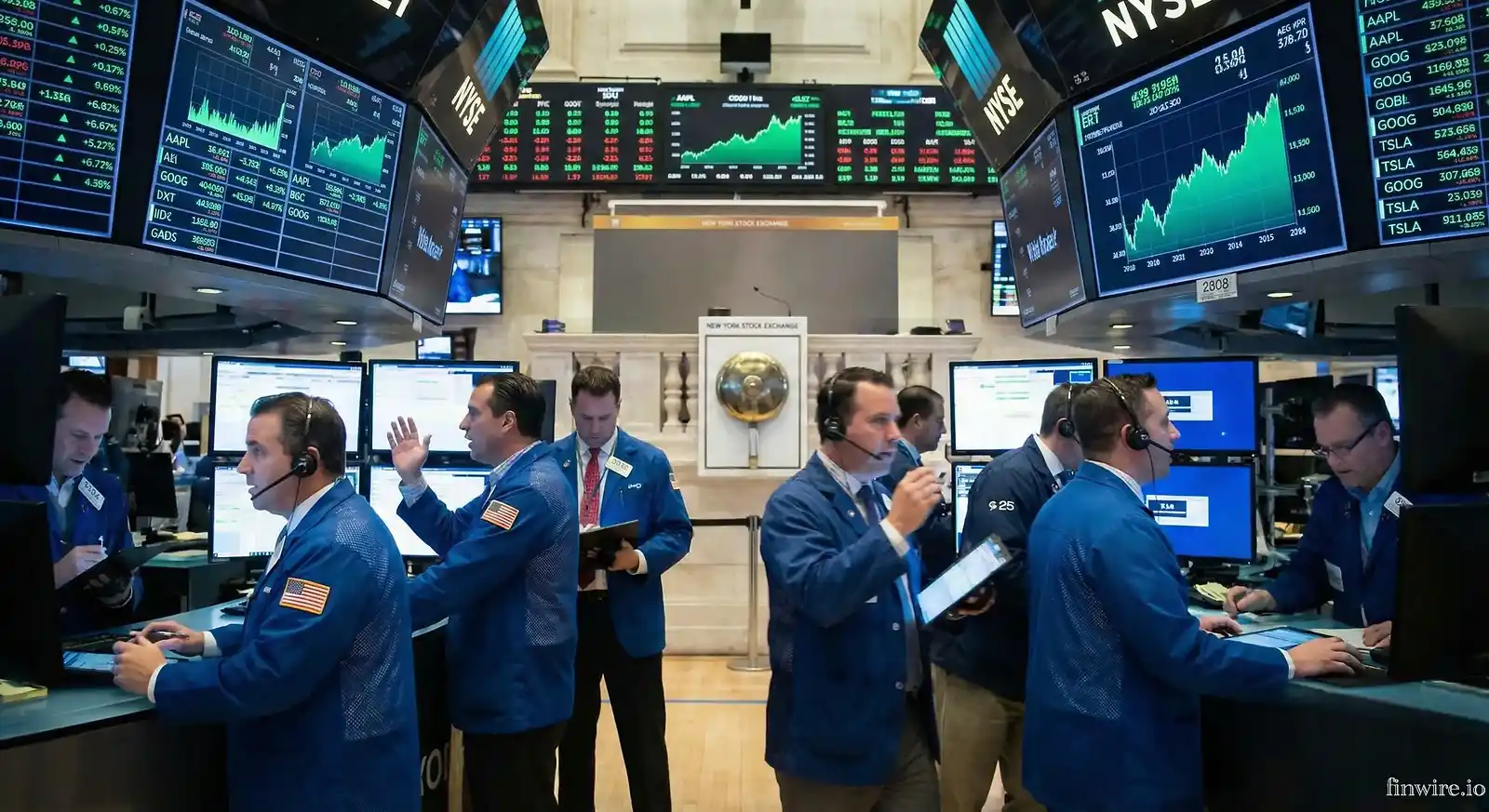
British stocks edged lower on Wednesday despite cooler-than-expected UK inflation boosting bets on near-term Bank of England rate cuts, as investors weighed sharply higher oil prices amid the escalating U.S.-Iran conflict.
As of 03:16 (07:16 GMT), the FTSE 100 fell 0.08%. Germany’s DAX rose 0.04%, while France’s CAC 40 was down 0.06%. Sterling edged up 0.09% to $1.3383 against the dollar.
U.S. Central Command completed its eleventh consecutive night of strikes against Iran on Tuesday, targeting aircraft hangars, drone storage facilities, maritime capabilities and military operations centres to "further degrade Iran’s ability to threaten commercial shipping in the Strait of Hormuz," CENTCOM said.
Iran’s state broadcaster IRIB reported strikes across Ilam, Kurdistan, Khuzestan and Sistan and Baluchestan provinces. Eighteen US service members have been killed since the start of the conflict, four of them in recent days. U.S. President Donald Trump was scheduled to attend a dignified transfer at Dover Air Force Base on Wednesday.
Defense Secretary Pete Hegseth told the Senate Appropriations Committee the war had cost $37.5 billion, though two Democratic sources and a third person familiar with the matter told CBS News the true figure was considerably higher, in part because military construction costs for damaged bases were excluded.
Hegseth said Iran was "at the weakest military point it has ever been in, in the past decade." US Secretary of State Marco Rubio, speaking at an ASEAN meeting in Manila on Wednesday, warned that Iran’s demand to control the Strait of Hormuz would "create a very dangerous precedent which will repeat itself in other parts of the world."
UK consumer price inflation fell to 2.6% in the year to June 2026, according to the Office for National Statistics, beating the consensus forecast of 2.7% and down from 2.8% in May.
The largest downward contribution came from motor fuels, with diesel dropping 10.7 pence per litre, the first easing in petrol prices since the start of the Middle East conflict on 28 February 2026, the ONS noted. Producer input prices rose 7.3% annually, down from a revised 9.3% in May; output prices rose 3.5%.
Prime Minister Andy Burnham announced a £2 cap on single bus fares across England from January 2027, reducing the current £3 limit by a third. "No one should be priced out of those and left behind," Burnham said. Chancellor John Healey confirmed the measure was "funded by savings made elsewhere."
Brent crude rose 2.54% to $93.32 a barrel, while U.S. West Texas Intermediate crude gained 2.50% to $86.44.
Gold futures rose 1.10% to $4,121.45 an ounce, while spot gold gained 0.97% to $4,117.22.
UK round up
J D Wetherspoon warned annual profit will miss market expectations after weaker-than-expected fourth-quarter sales. Rising labour costs and higher taxes continued to weigh on the British pub chain.
Henry Boot said annual profit will be significantly below market expectations due to weaker plot sales. The property developer blamed political uncertainty in Britain and conflict in the Middle East for slowing demand.
Mulberry reported a 23% rise in first-quarter revenue as its turnaround strategy gained momentum. The luxury handbag maker posted double-digit like-for-like sales growth across all regions.
Fresnillo reported lower second-quarter silver production but higher gold output from the previous quarter, while maintaining full-year production guidance. Lower ore grades weighed on silver production, while higher processed volumes at Herradura lifted gold output.
Greencore reported third-quarter profit ahead of expectations and raised its full-year earnings guidance. The food manufacturer cited continued synergy delivery and strong trading momentum entering the fourth quarter.