Blackstone CEO says widening credit spreads a chance to capture higher returns
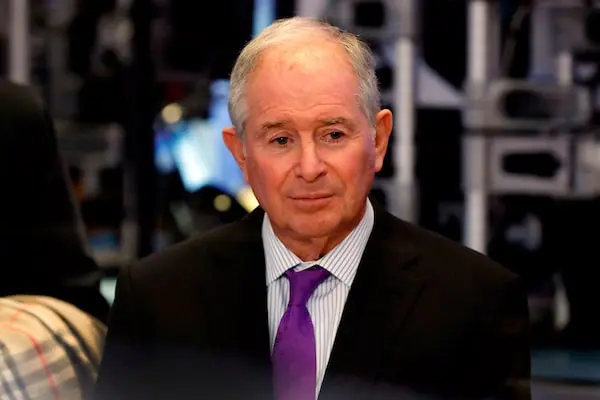

Blackstone CEO Stephen Schwarzman on the floor of the NYSE in 2019.Richard Drew/The Associated Press
Blackstone BX-N CEO Stephen Schwarzman said on Thursday widening credit spreads on AI-related debt tied to certain assets could be a potential opportunity to lock in higher returns.
His comments come as investors seek higher premiums to fund the highly leveraged AI boom against the backdrop of surging borrowing costs and growing doubts over the long-term sustainability of the massive AI spending.
“On the new assets that you haven’t yet leased, I think you’ll be able to command a higher yield to absorb this,” Schwarzman told analysts in response to a question about widening credit spreads. “You may end up actually in a better spot..”
Blackstone, which has embraced the AI theme and is one of the industry’s top financial backers, is funneling significant amounts of capital into the picks-and-shovels ecosystem of the expansive AI infrastructure build-out.
AI-linked debt has come under increased investor attention after Nvidia-backed CoreWeave’s CRWV-Q shares slumped last week, triggering a crisis of confidence that led to a global selloff in AI stocks. Blackstone is among CoreWeave’s most significant lenders.
Earnings beat
Blackstone beat Wall Street expectations for third-quarter profit, helped by strong inflows in its fee-generating businesses despite elevated market turbulence, sending its shares up nearly 6 per cent.
While a slowdown in dealmaking weighed on its ability to cash in on investments, strong inflows that pushed its assets under management to US$1.37-trillion, boosted fee-related earnings by 6 per cent.
Blackstone executives told analysts on a post-earnings call that net realizations were expected to see a “significant” step-up in the current quarter, despite the market jitters in executing deals.
Global markets have been roiled by surging bond yields, expectations of higher-for-longer interest rates and elevated market volatility from the Iran war.
As a result, many deals and IPOs in the first half of the year have slowed down. Global M&A activity fell 41 per cent sequentially in the third quarter, according to LSEG data.
Blackstone’s net realizations, which track proceeds from investment exits, fell 34 per cent to about US$332-million, weighed down by a nearly 50-per-cent drop in its private equity business.
Its credit and insurance business marked the largest chunk of new inflows, bringing in nearly US$36-billion, followed by private equity with US$12.6-billion.
Fee-related earnings from managing investments in its private equity funds jumped 26 per cent to US$619-million.
Stock slump
Alternative asset managers are grappling with a slide in their stock prices this year, as investors turned cautious on prospects of slower future growth and potential disruption from AI advancements on companies in their portfolios.
Private credit in particular has been subject to investor jitters, with large managers reporting a surge in redemption requests over the prior quarters.
Blackstone said last month that requests in its BCRED fund remained elevated in the third quarter, but has maintained that fundamentals of the portfolio remain healthy.
Its shares have slumped nearly 30 per cent this year through Wednesday’s close, largely in line with other asset managers and compared with a 13 per cent gain in the broader market and about 2 per cent in the S&P 500 Financials index.