Asia stocks rally as Korean chips surge and oil retreat lifts sentiment


Asia stocks rally as Korean chips surge and oil retreat lifts sentiment
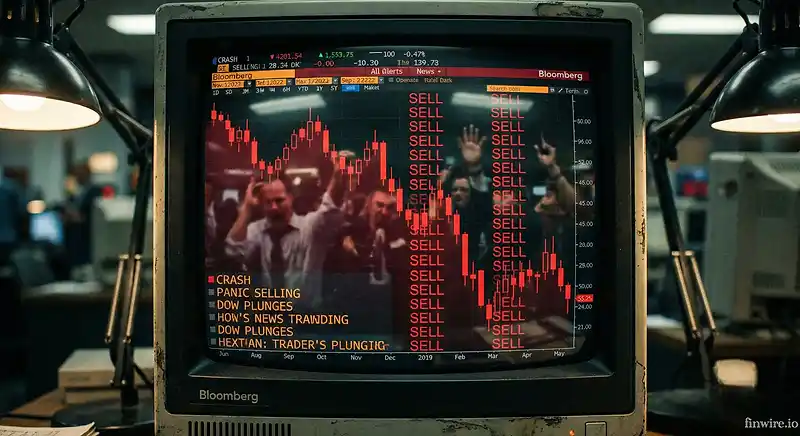
Asian stocks extended a sharp global technology rebound on Tuesday, with South Korea and Japan leading regional gains as investors returned to beaten-down chipmakers following Wall Street’s biggest rally in about seven months.
A further retreat in oil prices, after U.S. President Donald Trump signalled that fresh strikes on Iran were unlikely if negotiations progressed, also lifted sentiment by easing inflation concerns, although uncertainty surrounding Nvidia CEO Jensen Huang and the looming U.S. inflation report kept investors cautious about the durability of the recovery.
The MSCI Asia Pacific index rose 2%, with South Korea’s KOSPI up 4.3%, Japan’s Nikkei gaining 2.8% and TOPIX advancing 2.2%.
Wall Street’s biggest rally in seven months lifted the S&P 500 2.4%, Nasdaq Composite 2.7%, Nasdaq 100 by 3.4%, Dow 2.15% and Philadelphia Semiconductor Index 6.9%. In Asian trade, Nasdaq 100 futures were unchanged, while S&P 500 futures edged up 0.1%.
Nvidia fell 4.2% amid a board probe into possible foreign targeting of CEO Jensen Huang. Reports alleged links to a Chinese businesswoman suspected of passing information to Beijing. The board said it saw no evidence of compromised company secrets. Nvidia reports earnings next week.
Korea, Taiwan and Japan lead the technology rebound
SK Hynix rose 6.3% and Samsung Electronics 4.9%. Kioxia gained 6.6%, TDK 5.2%, Murata 5.9% and LG Innotek 5.1%. Taiwan’s Taiex surged as much as 6.4%; TSMC rose 0.9%, Largan 5.6% and Foxconn 0.5%, while Sony fell 0.4%.
Taiwan’s seven-session slide, its longest since 2022, reversed after regulators cut short-selling limits to 3% of 30-day average volume from 30%, raised margin requirements to 130% from 90% and kept a NT$500 billion ($15.2 billion) stabilisation fund available.
Japan and Taiwan entered bear markets last week; Korea’s index was more than 40% below its summer peak and Taiwan’s 16% below its record. Samsung and SK Hynix had each lost more than 16%.
Anthropic launched Fable 5.2 and Mythos 5.2 ahead of a possible Tuesday IPO roadshow, seeking up to $69.3 billion. Its IPO and CoreWeave results will test AI investor appetite after hedge funds rapidly cut technology exposure.
Meanwhile, brent was $91.56, down 1% after a nearly 6% Monday slide to an early-September low. Trump said further strikes on Iran were unlikely if nuclear talks progressed after meeting Qatar’s prime minister.
China trade and regional data in focus
China’s October exports rose 35.2%, beating 33.5% forecasts but easing from September’s 36.3%. Imports jumped 41.6%, above 32% estimates.
The trade surplus topped $1 trillion for a second year, supported by AI shipments. China has been ASEAN’s largest trading partner since 2009, linking its trade momentum to regional supply chains.
Japan’s household spending plunged 6.8% year-on-year in September, against a 3.1% decline forecast and marking its steepest drop since 2020. However, weak consumption complicates the BOJ’s outlook, with markets expecting a December 18 rate hike from the current 1.25%.
The NZX 50 gained 1%. Labour led National in preliminary party votes, 29.36% to 29.21%, but National won 42 seats against Labour’s 36. National, ACT and New Zealand First together hold 67 of 131 seats; around 400,000 special votes remain, with final results due November 27.
The ASX 200 rose 1.1%, Singapore’s STI gained 1.6%, while India's Nifty-50 futures traded flat.
October U.S. CPI is due Tuesday, with headline and core prices forecast to rise 0.3% and 0.2%. Fed hike odds climbed to 84% from 74% a week earlier following strong jobs data.
Related Articles
- Stock Markets News
investingLive Asia-Pacific market news: Regional stocks mostly rose
- World News
Asian stock markets climb after earlier tech rout
- Economy News
Asian stocks climb as sliding oil prices buoy sentiment
- Stock Markets News
KOSPI today: Why South Korea's stock market rebounded above 5,100
- Stock Markets News
KOSPI today: Why is South Korea's stock market surging over 5%?