AI spending leads the biggest market risks heading into 2027

Of the four major narratives driving market fear currently, AI spending looks the most concerning. Rate hikes are a close second because they amplify it. Tariffs and regulation rank lower. This is a judgment from the coverage below, not a forecast.
Today’s Tape (Nov 25, 2026)
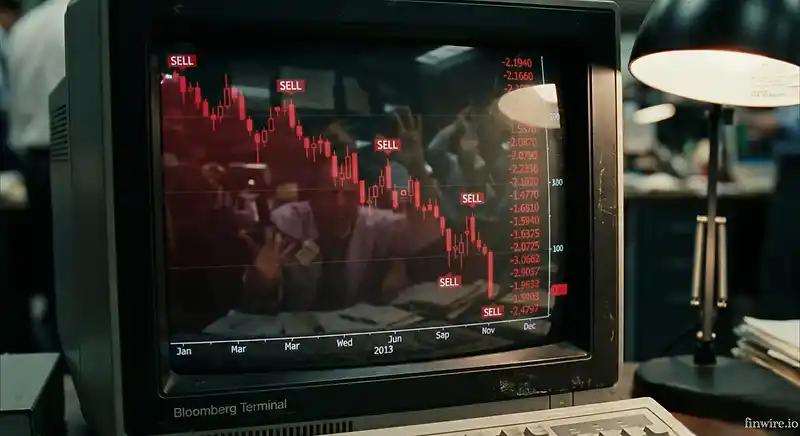
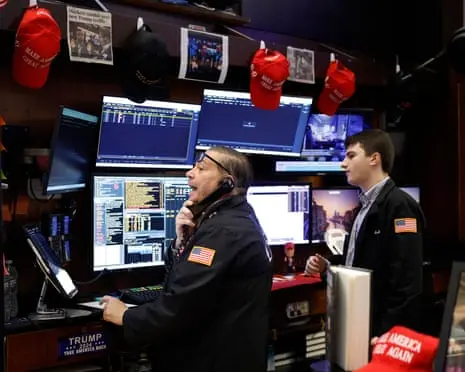
Today’s selloff was large. One article said the Nasdaq fell 4.2% and the S&P 500 2.8% (as of 10:48 AM EST). That is a big move for a tariff headline that analysts called largely expected.
- Tariffs: The proposal covers 14 partners, with China at up to 40%. Existing deal caps and exclusions for steel, aluminum and autos blunt the effect on Europe. Comments are due Jan 5, 2027, and hearings start Jan 25. CIBC’s Sarah Ying said "this isn’t a Liberation Day 2.0". MUFG’s Lee Hardman said the main market focus is AI investment.
- AI spending: The Philadelphia Semiconductor Index fell 27% in five weeks, and tech fell 18% (Nov 20). Embraer ADR (EMBJ) fell on its own tariff exposure. By contrast, a report that Google trimmed 2027 TPU orders sent Broadcom to a 52-week low, more than 42% below its high.
Scorecard
| Narrative | Scare level | Why |
|---|---|---|
| AI spending | High | Earnings growth rests on it, and debt-funded capex worries are growing |
| Rate hikes | High | Hikes were priced for December, with BofA counting 71 global hikes through May 2027 |
| Tariffs | Medium | Mostly expected, capped by deals, and likely to be negotiated |
| Regulation | Low-Medium | Mainly a crypto and Democratic-Congress overhang, not yet a broad market driver |
Why AI Tops the List
- Earnings dependence: JPMorgan credits AI momentum for much of the 2027 earnings upgrade, and its S&P 500 EPS forecast is $390. Consensus targets of 8,000 to 9,000 assume that growth continues.
- Growth reliance: Citi notes that U.S. growth has leaned heavily on AI investment.
- Post-bubble pattern: BofA’s Hartnett compares the market to 2000, when the Fed kept hiking into a recession.
How the Rate Hike Fits In
Rates are the multiplier. Goldman sees hikes in December and March 2027, then cuts starting in November. Citi expects a hold after December and cuts later in 2027. A strong inflation print (October PCE) kept hikes in play, and JPMorgan says a 10-year yield above 5% makes a 22x–23x multiple hard to defend. High-multiple AI names feel that most.
Bull Case
- Tariffs: Deals could lift uncertainty fast. Markets "reprice just as fast" as they sell off.
- Valuations: Goldman says the reset leaves "a lower bar" for risk assets.
- Breadth: BofA expected a breadth buy signal soon, with 68% of global indexes oversold.
What to Watch
- The S&P 500 (US500) falling below 6,845, BofA’s line for a credit and stock slump that could cut hikes short.
- The U.S. 10Y yield (US10YT) rising above 5%, which would strain valuations.
- Jobless claims above 250K and investment-grade spreads above 100 bps, which BofA calls a "doom loop" signal.
Figures are as of the dated articles. Live levels may differ.