Midterm elections 2026: how are votes counted and when will we know the results?


Everything you need to know about how winners are called, how states count ballots and Trump’s election denialism There’s no simple answer as to when US voters will know the results of the midterms. Elections are managed locally throughout the US, and it’s different in each state. Sometimes, if a race isn’t close, there’s a near-instantaneous sense of who won. In more contested races, it can take...
There’s no simple answer as to when US voters will know the results of the midterms.
Elections are managed locally throughout the US, and it’s different in each state. Sometimes, if a race isn’t close, there’s a near-instantaneous sense of who won. In more contested races, it can take many hours, days or even weeks.
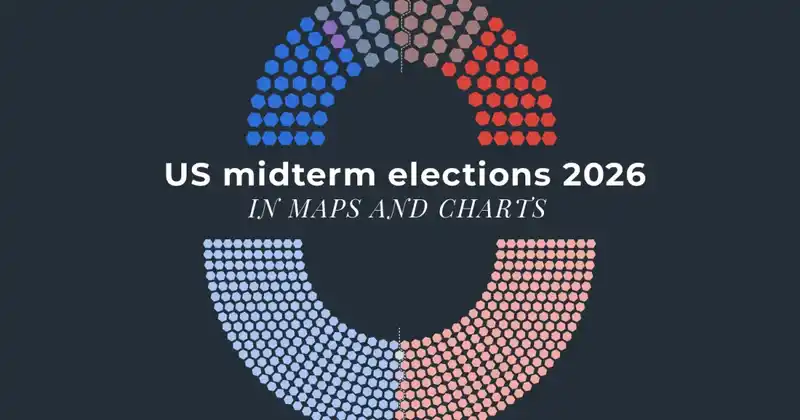
This year, all 435 members of the House of Representatives are up for re-election, and 33 Senate seats are up for grabs. The governor’s offices of 36 states are on the ballot, as well as countless other statewide and legislative races. That’s not to mention local councils and school boards.
The lag between voting and knowing results can lead to an information vacuum and uncertainty that partisan actors may exploit to spread lies about stolen elections. Donald Trump, who has denied the results of his 2020 loss and other elections when he hasn’t liked the results, has tried to assert federal control over elections, which the courts have rebuffed. But election officials are on guard for potential interference in election processes this year.
Here’s what you need to know about how votes are tabulated and when we may expect to know the results.
How are votes counted?
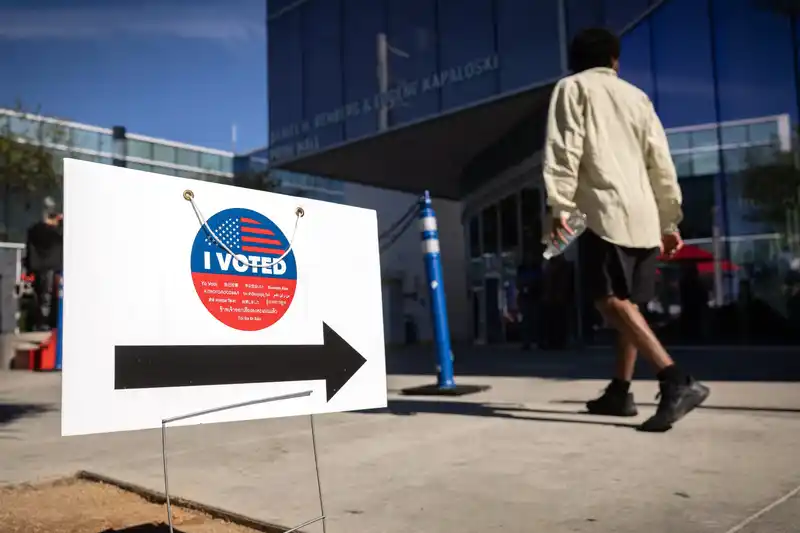
US voters cast ballots in person during early voting or on election day, and many millions also vote by mail. Some states send out mail ballots to all voters, while others have systems in place where a voter can request a mail ballot.
Some states will count ballots sent by mail for days after election day so long as they are postmarked by election day, a practice recently upheld by the US supreme court.
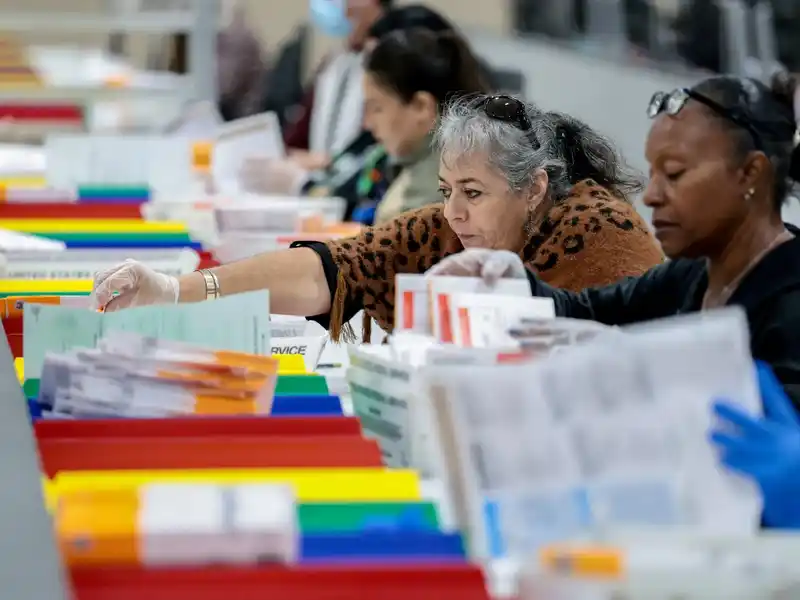
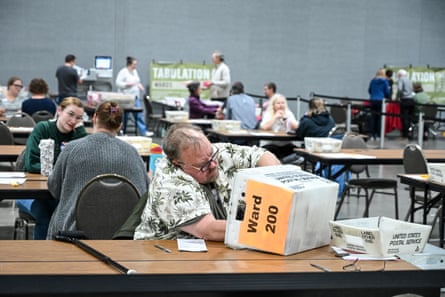
Paper ballots are typically tabulated by machines, with partial hand counts and audits checking those results for accuracy. Results are often uploaded in batches. In some places, mail ballots that arrive on election day are tabulated in advance then released soon after polls close, usually about an hour after closure.
There are also curing periods, where voters who need to provide additional information or verify the accuracy of their signature on a mail ballot have an opportunity to make sure their votes are counted. These ballots often are the last ones tabulated. Tabulation can take longer in places that are more populous or that have rules that allow for broader voting access, like universal mail voting or curing periods. It may also seem like it takes longer in closely watched races, but this is often a factor of the closeness of the race and importance of each ballot.
In 2024, MIT’s Election Data and Science Lab notes, even the slowest-counting states had tabulated a majority of their votes within about eight hours. All but California had counted more than 75% of votes after two days.
Results of a race are not considered final until they are canvassed and certified by local authorities, though winners are often clear well before these final deadlines.
If races fall within a very narrow margin, usually a fraction of a percent, they could trigger an automatic recount under state or local laws. These recounts can substantially delay results. News outlets usually do not call races if they are within the automatic recount margin.
Unlike a presidential year, there is no electoral college in the midterms, so no need to refresh your memory on that element until 2028.
How do news organizations call winners?
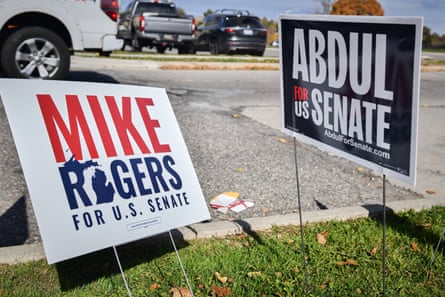
News organizations, most notably the Associated Press, predict a winner based on early, unofficial results. These race calls do not impede official election processes – ballots will still all be counted and certified, even if winners are called well before all ballots are counted.
Candidates often wait for a race call by the AP and other organizations before declaring victory. In some instances, if races are closer or if they don’t trust results, candidates may not concede after a media race call.
The AP has said it doesn’t call races unless it is “highly confident of the outcome”. Its research team analyzes local rules and procedures, past races and ballot return patterns. Some of these race calls come soon after results roll in, usually in races that are in strongly partisan districts or without meaningful opposition.
In 2024, the presidential race was called by the early morning hours of the next day. But, the MIT Election Data and Science Lab notes, the last US House race in 2024 wasn’t called until 3 December.
Can winners ‘change’ overnight?

As more ballots are counted, a candidate may gain or lose the lead in any given race. This is a function of ballots being counted, not some sort of nefariousness.
Trump and his allies have at various points claimed, without evidence, that elections officials have “found” ballots or injected fake votes into the tabulation process during overnight hours to flip winners.
These flips are sometimes called a “red mirage” or “blue shift” – a Republican candidate leads initially, then loses the lead. Mail voting patterns, which can impact lead-shifting as votes are counted, are not the same in each place, and in recent years, they have changed based on perceptions of whether mail voting is safe and accurate.
Will Trump interfere in the vote counting process?
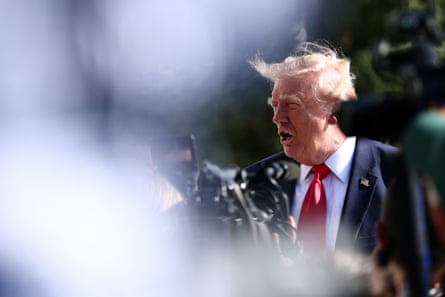
Republican voters have increasingly distrusted election results, led by Trump and his rampant election denialism.
This year, Democratic and independent voters have expressed fears that Trump could interfere with election processes, tabulation or certification. When Trump tried to pressure elections officials to overturn results in 2020, he was unsuccessful – now, though, there are more Trump loyalists in positions of power than in 2020.
Elections officials across the country have maintained that there are enough checks and balances in place to prevent efforts to overturn results, seize ballots or otherwise interfere with elections. Courts have routinely stopped these efforts in the past.
Related Articles
- World News
When will we know the US midterm election results?
- World News
All you need to know about US midterms 2026
- Politics News
What are the races to watch in the US midterm elections and why do they matter?
- Politics News
Midterm elections 2026: what time do the polls close today?
- World News
Midterm elections, explained: What’s at stake for Trump?