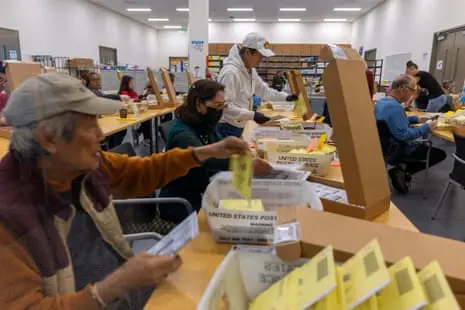
California voters reject Prop 39, stricter voter ID measure


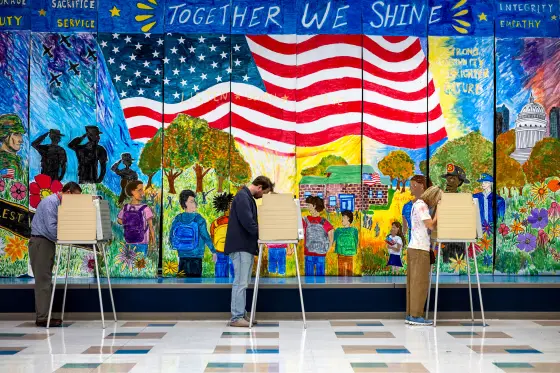
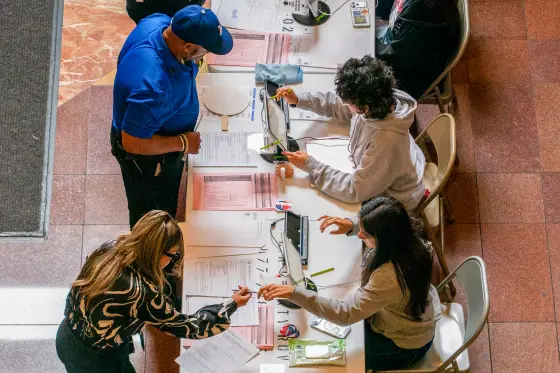
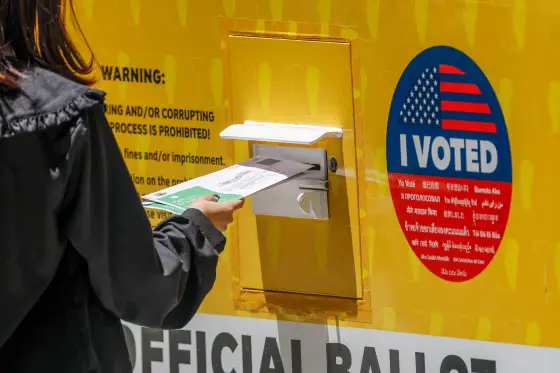
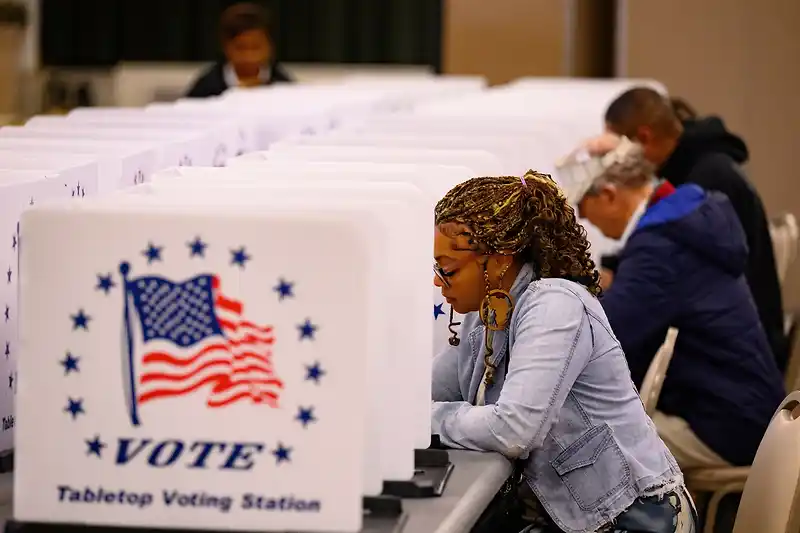
California voters rejected an effort to introduce tougher voter ID requirements in Tuesday’s election, following a bitter campaign fought against the backdrop of President Donald Trump’s battle with the state over alleged noncitizen voting.
Proposition 39, which would have required California voters to show ID at the polls and introduce additional verification requirements for mail-in ballots, was rejected by 60% of voters with roughly half of votes counted, according to Associated Press.
The measure has been championed by Republican Assemblymember Carl DeMaio and his organization Reform California, who argue that tougher identification rules are a common-sense way to protect election integrity.

DeMaio vowed in an interview Tuesday to keep up the fight for voter ID.
“Whether voter ID gets done in this election or not, we will not stop until we restore trust and confidence in our elections,” DeMaio told The California Post. “Voter ID will become the law of the state of California because it is common sense and bipartisan.”
The voter ID initiative qualified for the November ballot earlier this year, setting up a political battle over election security in California.
The prop 39 campaign received a major financial boost in October when Airbnb co-founder and billionaire former Democrat Joseph Gebbia donated $8 million to support the measure, giving its backers a substantial cash injection in the final weeks before the election. A number of other prominent out-of-state backers have poured money into the campaign, with California seen as a ”testing ground” for better voter ID in a Democrat state.
But Democrats have fiercely opposed the proposal, linking it to Trump, who remains deeply unpopular in the state.
The vote comes as the Trump administration pursues legal cases against alleged noncitizen voters and clashes with California officials over their refusal to comply with federal demands to audit the state’s voter rolls.
The Trump administration made a last-ditch plea to the Supreme Court on Monday, asking the justices to force California to set aside 20,000 mail-in ballots it claims were sent to noncitizens.
The emergency application went to Obama-appointed Justice Elena Kagan, who handles California cases and denied the request.

Federal prosecutors have charged 28 people with violating federal election laws.
Recent polls indicated support for the voter ID measure had slipped below 50%, raising questions about whether it would pass.
The campaign was also overshadowed by a dispute over the measure’s official ballot wording, which was rewritten by Democratic Attorney General Rob Bonta.

Bonta’s office changed the summary to describe the proposal as a measure that “prohibits citizens from voting unless they present government-issued identification.”

Supporters accused Bonta of deliberately framing the measure negatively in an attempt to undermine its chances of passing.
But Bonta’s office defended the changes, saying revisions to ballot summaries were routine.
“It is not uncommon for the ballot title and summary to change from the circulating version — and this year, all nine voter-proposed initiatives had changes,” his office previously told The Post.
“Our office properly exercised its discretion to provide further clarity to voters about Prop 39’s chief purpose and points for the ballot stage.”
Related Articles
- World News
Ballot measure takeaways: Voters back abortion rights, along with photo ID and citizenship requirements at the polls
- World News
Supreme Court quickly rejects Trump effort to target alleged noncitizen voters in California
- World News
DOJ demands that California counties help identify noncitizen voters
- World News
Voters deliver fresh abortion wins and deal sharp blow to Trump agenda
- World News
California officials ordered by DoJ to set aside ‘likely’ noncitizen ballots