Red Sea Brief #17: Riyadh Builds A Red Sea Coalition


Covering August 1–16, 2026. Houthis Hit Coaster, Sanaa Pushes Blockade, al-Mokha Channel Open & More. Read “Red Sea Brief #17: Riyadh Builds A Red Sea Coalition” on our site; the full article is free on the Red Sea Futures Substack. Continue reading on redseafutures.com → Originally published by Red Sea Futures at https://www.redseafutures.com/insights/red-sea-brief-17-riyadh-builds-a-red-sea-coalition Get the weekly Red Sea Brief — subscribe free on Substack
Red Sea Brief #17: Riyadh Builds A Red Sea Coalition
Covering August 1–16, 2026. Houthis Hit Coaster, Sanaa Pushes Blockade, al-Mokha Channel Open & More.
Issue 17 — Covering August 1–16, 2026
Note: our interactive map shows where the events behind Red Sea Futures’ columns — the Red Sea Brief and the Red Sea Legal Letter — took place. Red Sea Futures’ proprietary agentic model assisted in the creation of this report.
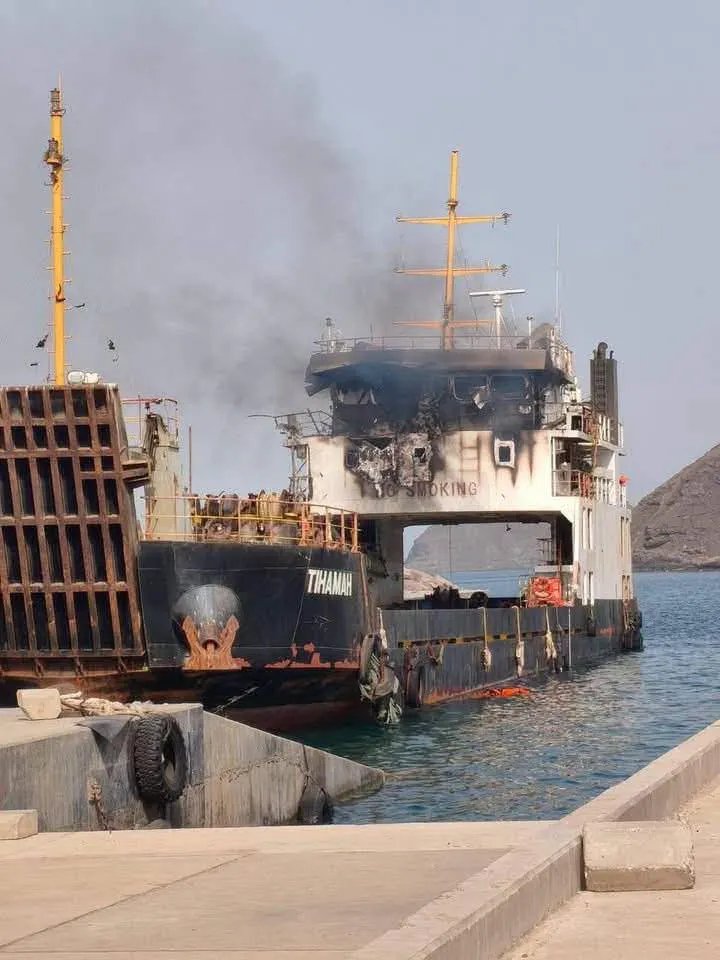
The ongoing Houthi campaign against shipping in the Red Sea killed 6 seafarers on August 11, when missiles hit the “food coaster” Tihamah inside the southern Bab al-Mandeb strait. The Tihamah was inbound to the (internationally recognized Yemeni government) port of Al-Makha with food supplies, which runs counter to the initial working assumption that the primary Houthi target was Saudi tankers. Meanwhile, the Saudi-led Multinational Maritime Defense Coalition for the Red Sea met at Jeddah on August 13 and 14, named a commander — and a Pakistani deputy, and published a charter. Saudi Arabia, Turkey and Pakistan, three of its members, had signed a separate mutual-defense pact at Mecca a few days before, on August 7. Saudi crude now runs West through the Petroline pipeline, and then north to Egypt’s SUMED pipeline to the Med, instead of south through Bab al-Mandeb, priced out by war-risk premia that have quadrupled at Jeddah and Yanbu.
The Houthis Kill 6 Crew When 3 Missiles Hit A Food Coaster
Three ballistic missiles hit the Tanzanian-flagged Tihamah in succession on August 11 as she came in toward the port of al-Makha, off Yemen’s Dhubab district in Bab al-Mandeb, setting her afire; a further strike came as rescuers reached her (see map). The transport ministry of Yemen’s internationally recognized government described the Tihamah as a Yemeni commercial vessel carrying food supplies, and counted 4 crew dead — three Pakistani and one Indonesian — with 4 more crew and a member of the rescue team injured; Yemen’s government put the wounded at 10.
The Yemeni coastguard counted 2 rescuers from the government-allied National Resistance Forces among the dead, raising the death toll to 6. These are the first deaths in a Houthi attack on shipping since the US-Israel war with Iran began on February 28. The Houthis announced through their Saba news agency that they had struck a Saudi ship carrying military equipment. The Tihamah was neither Saudi-owned nor Saudi-operated.
Captain Roy Facey doubts any signal — a declaration on the Automatic Identification System (AIS), prior notice of her route, or a place on a deconfliction list — would have saved the Tihamah: the Houthis claim they had evidence of a concealed military shipment, and would treat her cargo as suspicious “regardless of any declaration of innocence.” The container lines had assumed the targets would be Saudi tankers: Maersk and Hapag-Lloyd returned a second Gemini service to Suez on August 10, the day before the Tihamah was hit. The Tihamah shows that reading was much too narrow — the Houthi trigger included a Yemeni government port call.
Follow Insights by RSSGet the weekly Red Sea Brief on Substack