SpaceX Stock Nears IPO Price as Investors Weigh Debt Sale, Lockups
A month ago, SpaceX’s Wall Street debut looked like one of the great IPO stories in history.
Today, the stock is knocking on the door of its offering price, and investors are trying to figure out whether that’s a warning sign or a buying opportunity.
SpaceX priced its IPO at $135 a share on June 11, raising $75 billion in the largest offering ever, before underwriters exercised the "greenshoe" option amid overwhelming demand.
Shares opened on June 12 at $150 and closed that day at $161. The rally continued in the days that followed, with SpaceX shares climbing above $200 at one point. The surge pushed the company’s market capitalization to nearly $2.7 trillion, briefly placing it ahead of Microsoft (NASDAQ:MSFT) and Amazon (NASDAQ:AMZN) by market value. It also drove Elon Musk’s net worth above the $1 trillion mark on paper.
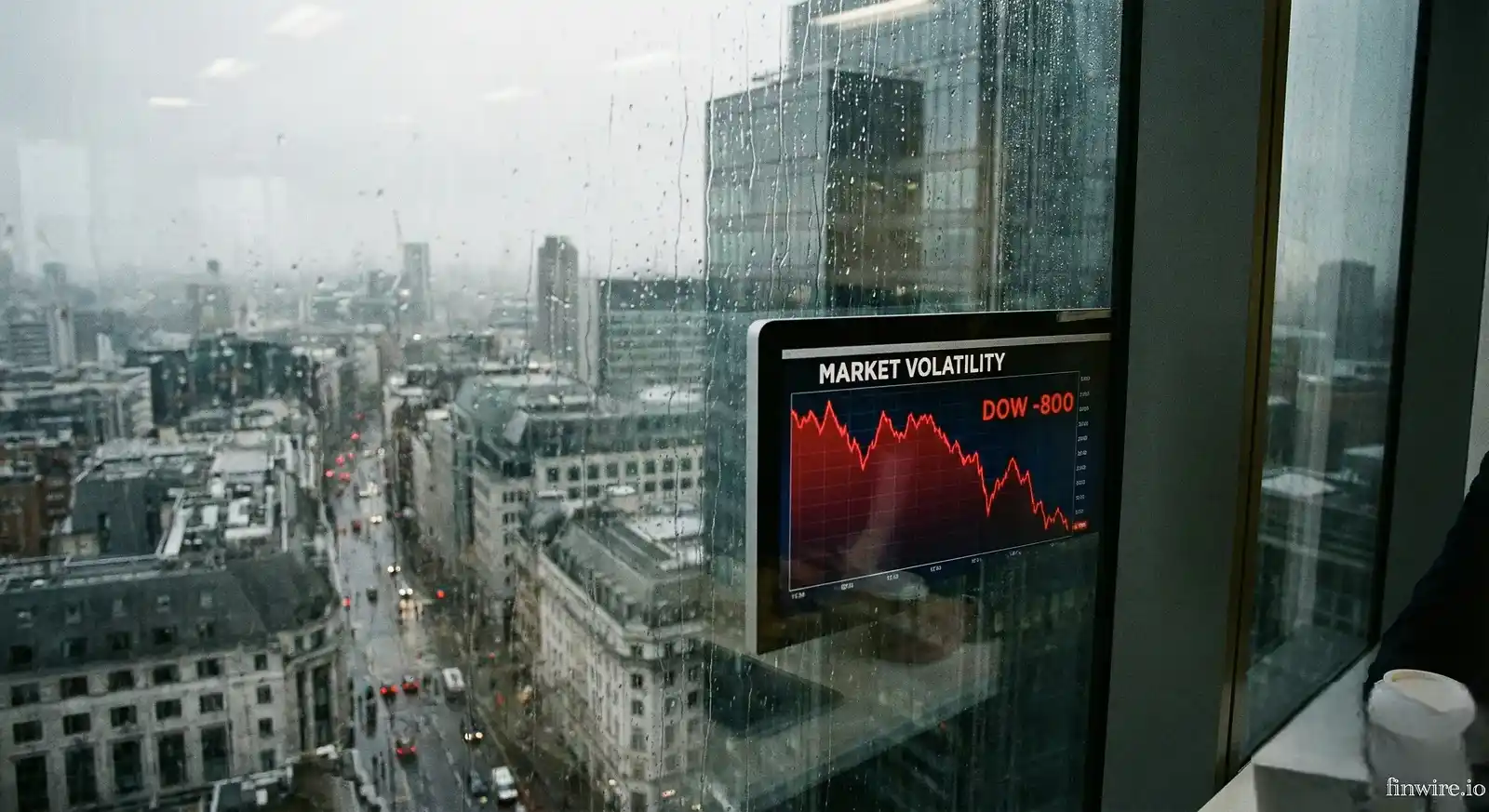
However, the euphoria didn’t last. SPCX has since shed more than $800 billion in market value from that peak, sliding over multiple sessions in a row, including a 16.4% single-day drop, setting new all-time lows.
As of Monday’s session, shares were trading around $139. If the stock breaks below the $135 IPO price, it would mean every investor who bought at the offering price is running at a loss.
Debt Sale and Lockup Expirations Weigh on Stock
SpaceX confirmed its first-ever bond issuance in a recent filing, marking the company’s debut in the corporate debt market despite its record-high private valuation. The development has sparked questions about the company’s financing strategy and future capital needs.
Despite the endorsements from agencies like Moody’s, Fitch, and S&P Global, the announcement still triggered one of the stock’s sharpest single-day declines. Beyond SpaceX’s credit rating, investors were more focused on the implications of the debt issuance, causing a massive sell-off.
Another factor weighing on sentiment is the upcoming expiration of insider lockups. Because only a small portion of SpaceX’s roughly 13 billion outstanding shares was sold in its IPO, the stock’s public float has remained relatively limited. This is about to change in the coming months.
Around 20% of insider-held shares are expected to become eligible for sale following SpaceX’s first quarterly earnings report as a public company, with additional batches unlocking over the following months before the full 180-day lockup expires in December.
While the staggered release should help avoid a sudden surge in selling pressure, each unlock will increase the stock’s freely tradable share count. That could introduce periods of heightened volatility as investors assess whether insiders choose to cash out and the market works to absorb the additional supply.
SpaceX’s Pullback Mirrors a Familiar IPO Pattern
Data on the largest IPOs of the past several years shows the average stock has fallen around 30% from its offering price at some point in its first year of trading. A separate analysis found that across the 50 largest IPOs of the last five years, investors would have been better off simply buying an S&P 500 index fund roughly three-quarters of the time. So, what’s happening to SpaceX is “expected”.
Even after the recent pullback, it trades at a price-to-sales multiple of more than 30 based on projected 2025 revenue. Such lofty valuations can be difficult to sustain, even for companies with dominant market positions.
Despite those concerns, Wall Street remains largely optimistic. Morgan Stanley recently initiated coverage with an Overweight rating and a Street-high $300 price target.
SpaceX’s First Earnings Report Could Shape the Stock’s Direction
The next meaningful test for SpaceX will come with its first quarterly earnings report as a public company, expected in early August. The release will coincide with the first round of insider lockup expirations, giving fresh insight into both the company’s financial performance and potential selling pressure from existing shareholders.
Investors will be looking closely at Starlink’s revenue growth and profitability, the pace of Starship launches, and the company’s cash generation to assess whether its operating performance can support its premium valuation.
How SpaceX performs on these metrics could set the tone for the stock’s next move.