Record Profits and AI Spending Are Making It Harder for Warsh to Stay Patient
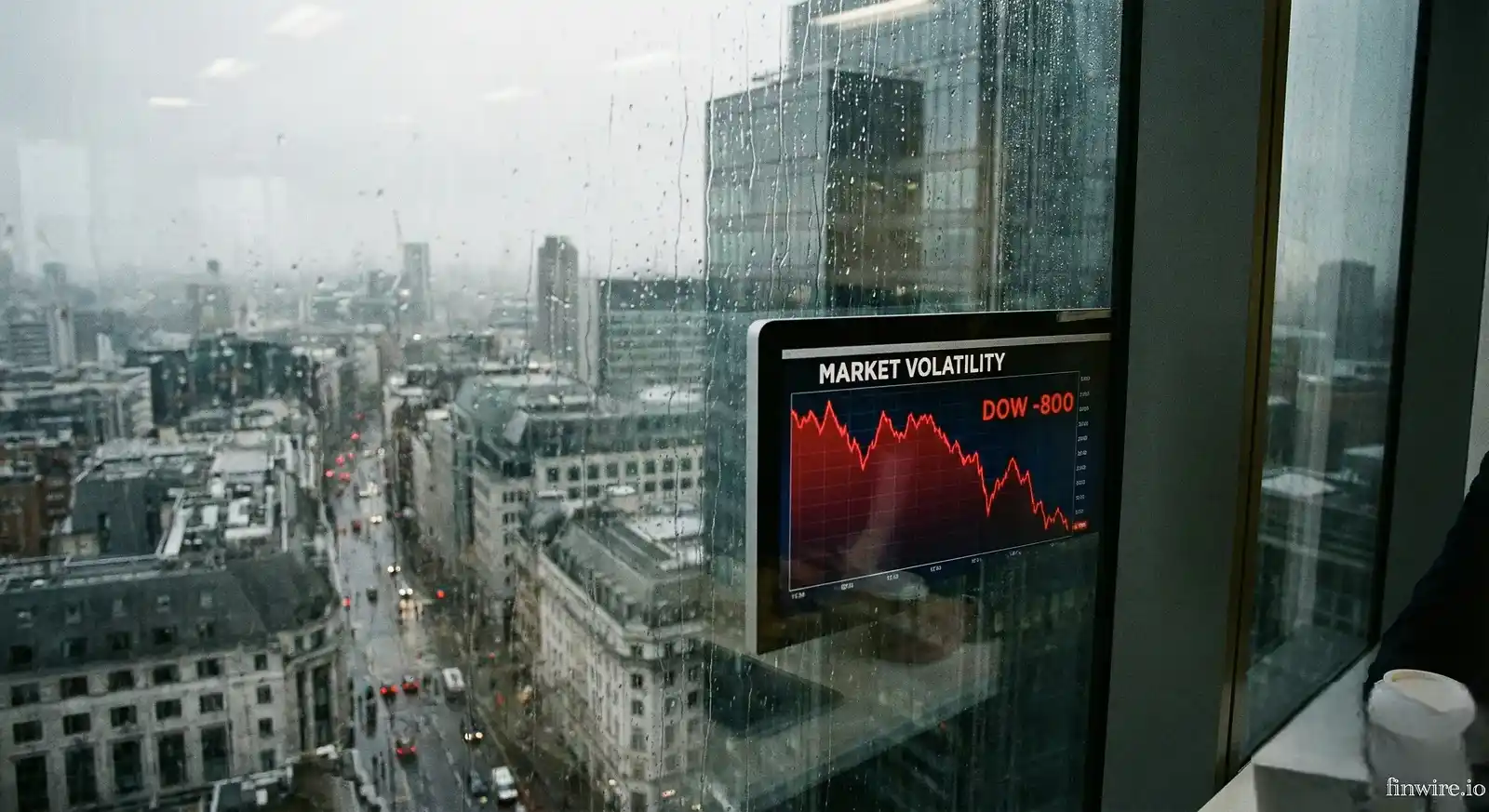
Record corporate profitability and accelerating AI investment are lifting the economy, but also shortening Kevin Warsh’s patience with inflation
Takeaways
BMO estimates that after tax corporate profits are approaching $4 trillion annualized, rising 20% from a year ago and reaching a record 12.1% of GDP.
AI investment is becoming a direct growth engine. BMO expects real business equipment spending to rise 11% in 2026 and 7.5% in 2027, helping lift its 2027 GDP forecast to 2.2%.
September is not yet a guaranteed hike, but Warsh has changed the burden of proof. Inflation must now improve quickly enough to justify keeping the Fed on hold.
Profits Are Roaring
BMO Chief US Economist Scott Anderson sees record corporate profitability and accelerating AI investment lifting the economy, but also shortening Kevin Warsh’s patience with inflation
The stock market is not the economy, as everyone likes to remind us whenever equities appear detached from everyday life.
But that distinction is becoming harder to defend.
In the present cycle, rising markets, easy financial conditions, swelling corporate profits and the AI investment boom are feeding one another. Wall Street is no longer simply reflecting the economy. It is helping finance one of its most powerful engines.
BMO Chief US Economist Scott Anderson sees that loop clearly in the latest US data. The second estimate of second-quarter GDP included the first look at corporate profits, and the numbers did not merely beat expectations. They arrived with the door off its hinges.
After-tax corporate profits are rapidly approaching $4 trillion at an annualised rate. They rose 20% from a year earlier and reached a record 12.1% of GDP.
That is not a rounding error buried in the national accounts. It is the centre of gravity.
Profits have taken on an almost exponential shape since the pandemic, closely tracking the climb in equity markets. Companies have more cash, stronger balance sheets and greater capacity to invest. Investors reward that investment with higher valuations, which loosens financial conditions and encourages still more spending.
The wheel is turning quickly, and AI is pouring fuel onto it.
The Profit Machine Has Several Engines
Anderson attributes the strength to more than one force.
Tariff uncertainty has faded for many businesses, while tariff refunds are beginning to land directly on corporate bottom lines. According to Treasury data cited by BMO, tariff revenue turned negative by $25.6 billion in June as refunds started flowing.
At the same time, the labour market has moved closer to balance. Productivity has strengthened, unit labour cost growth remains historically subdued and supply chain pressures have eased since the opening phase of the Middle East conflict.
Then there is the tax code.
The OBBBA allows businesses to deduct the full cost of qualifying equipment in the year it enters service. For companies already preparing to spend heavily on data centres, chips, networking equipment and power infrastructure, that is less a gentle nudge than an engraved invitation.
The result is an AI capital spending cycle that appears to be gathering speed rather than approaching exhaustion.
Capital goods imports excluding autos surged 47% from a year earlier through July. In response, BMO raised its forecast for third-quarter business equipment spending to a 17% annualized pace, enough to offset much of the drag from rising imports.
BMO now expects real business equipment spending to grow 11% in 2026 and another 7.5% in 2027. Anderson also lifted the bank’s 2027 GDP growth forecast by two tenths to 2.2%, slightly above its estimate of the economy’s long term potential.
This is where the stock market and the economy stop pretending they have never met.
High equity valuations support financing. Strong profits support investment. Investment sustains growth. Growth reinforces earnings expectations. The loop continues until inflation, interest rates or the bond market puts a boot through the spokes.
Inflation Is Giving Margins Cover
There is another, less comfortable ingredient in the profit surge.
Elevated inflation appears to be giving some companies room to raise prices more aggressively, defend their margins and place the blame on higher input costs. Not every price increase reflects opportunism, of course, but the broad inflationary environment provides useful camouflage.
That leaves the Federal Reserve facing an economy in which the corporate sector is not gasping for oxygen. It is running with its lungs open.
Profits are rising at a 20% annual pace. AI investment is accelerating. Equity markets remain powerful. Credit and loan markets show little evidence of meaningful restraint. Business spending is being supported by both the tax code and extraordinary earnings capacity.
That hardly resembles an economy being crushed beneath the weight of restrictive monetary policy.
Kevin Warsh said as much at Jackson Hole. He described himself as “hard pressed” to call financial conditions restrictive and pointed directly to rapid business investment, elevated capital spending expectations and strong corporate earnings.
His concern is not that the economy is about to fall through the floor. It is that an economy operating with this much financial octane may not return inflation to 2% without additional pressure from the Fed.
Warsh Is Running Out Of Excuses To Wait
The market heard the change in emphasis.
Following Warsh’s speech, Fed funds futures lifted the probability of a September hike to around 58%, from approximately 36% the previous day. That does not make September a lock, but it moves the meeting well beyond the territory of idle central bank theatre.
The burden of proof has shifted.
Before Jackson Hole, the Fed appeared willing to wait for inflation to drift gradually toward target. After Jackson Hole, inflation must demonstrate that it is moving clearly and quickly enough to justify continued patience.
That distinction matters because Warsh has also stepped away from the comfort blanket of heavy forward guidance. Investors cannot simply wait for the Fed Chair to draw the policy path in fluorescent ink. They must decide whether his language represents hawkish cover for another hold, or the preparation required before the Fed finally acts.
The next inflation data will carry the verdict, but the economic backdrop is steadily narrowing the Fed’s escape route.
This is the uncomfortable loop now facing policymakers. Higher profits finance more AI investment. Stronger investment supports growth. Rising markets keep financial conditions generous. Persistent inflation allows firms to defend margins, which sends more cash back through the machine.
Warsh may still choose to wait in September. But the economy is quietly removing his excuses.
The stock market may not be the economy. Right now, however, it is helping the economy run hot enough that the Fed can hear the engine from Jackson Hole.