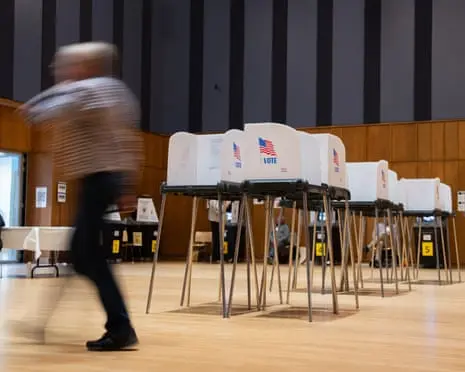
How the Midterms May Impact RIA Dealmaking


Policy change may be unlikely, but that doesn’t mean the midterms won’t matter for mergers and acquisitions. The post How the Midterms May Impact RIA Dealmaking appeared first on The Daily Upside.
It’s election season again, and more than control of Congress is at stake.
With the US midterm elections just days away, there are worries about political infighting and market uncertainty that could further hinder mergers and acquisitions. The election follows a dealmaking slowdown among RIAs in the third quarter of 2026 after seven straight quarters of records, a result of sellers pulling back amid market volatility and geopolitical conflict.
If political deadlock results in a dip in the stock market, M&A could indeed slow down, said Corey Kupfer, whose firm counsels on RIA growth. “It can be a very different analysis when we come to the next presidential election in 2028.”
Indirect Effect
Part of the recent M&A dealmaking slowdown stems from serial acquirers — think the Creative Plannings and Hightowers of the world — having already established footholds in their geographic regions, shifting their focus to fewer, larger deals. The median size of acquired firms grew from $517 million last year to $630 million in the first half of 2026, per data from Fidelity. Still, the political environment can play a role, especially when it comes to regulatory scrutiny of large deals, said Tom Prescott, founder of the Advisory Services Network. “We have seen these shifts time and time again,” he said. “[Midterm elections] can still offer a glimpse of what the next election could bring and what may be around the corner from a regulatory perspective.”
The midterms could spike the VIX, Cboe’s Volatility Index, which could cause some deals to take longer to go through, said David DeVoe, founder of DeVoe & Co. In these cases, owners turn their attention to reassuring clients, with buyers and sellers waiting for valuations to settle before locking in terms. “We saw exactly that this year: The US-Iran conflict drove a sharp VIX spike in March 2026, following earlier spikes tied to tariffs and AI valuations, and it showed up in Q3 transaction counts,” DeVoe said.
Congress vs. Progress. Still, midterm election results probably won’t result in any significant policy change, sources told Advisor Upside. And RIA M&A is driven by the need for scale and availability of capital rather than Congressional headwinds, DeVoe said.
“Proposals exist in both directions, but a midterm shift is more likely to produce gridlock than new tax law,” he added. “The bigger effect is psychological: If owners expect higher rates or higher taxes down the road, some will accelerate their timelines.”
Related Articles
- Stock Markets News
Money managers look past midterm election uncertainty for longer-term gains on U.S. health care
- Politics News
What are the races to watch in the US midterm elections and why do they matter?
- Politics News
As midterms loom, Trump and his allies try to change the subject
- General News
3 Stocks With Yields Big Enough to Make Election Volatility Easier to Stomach
- Crypto News
Prediction markets face CFTC scrutiny ahead of 2026 US midterms