Consumer Stocks May Be Bottoming Before the Consumer Does
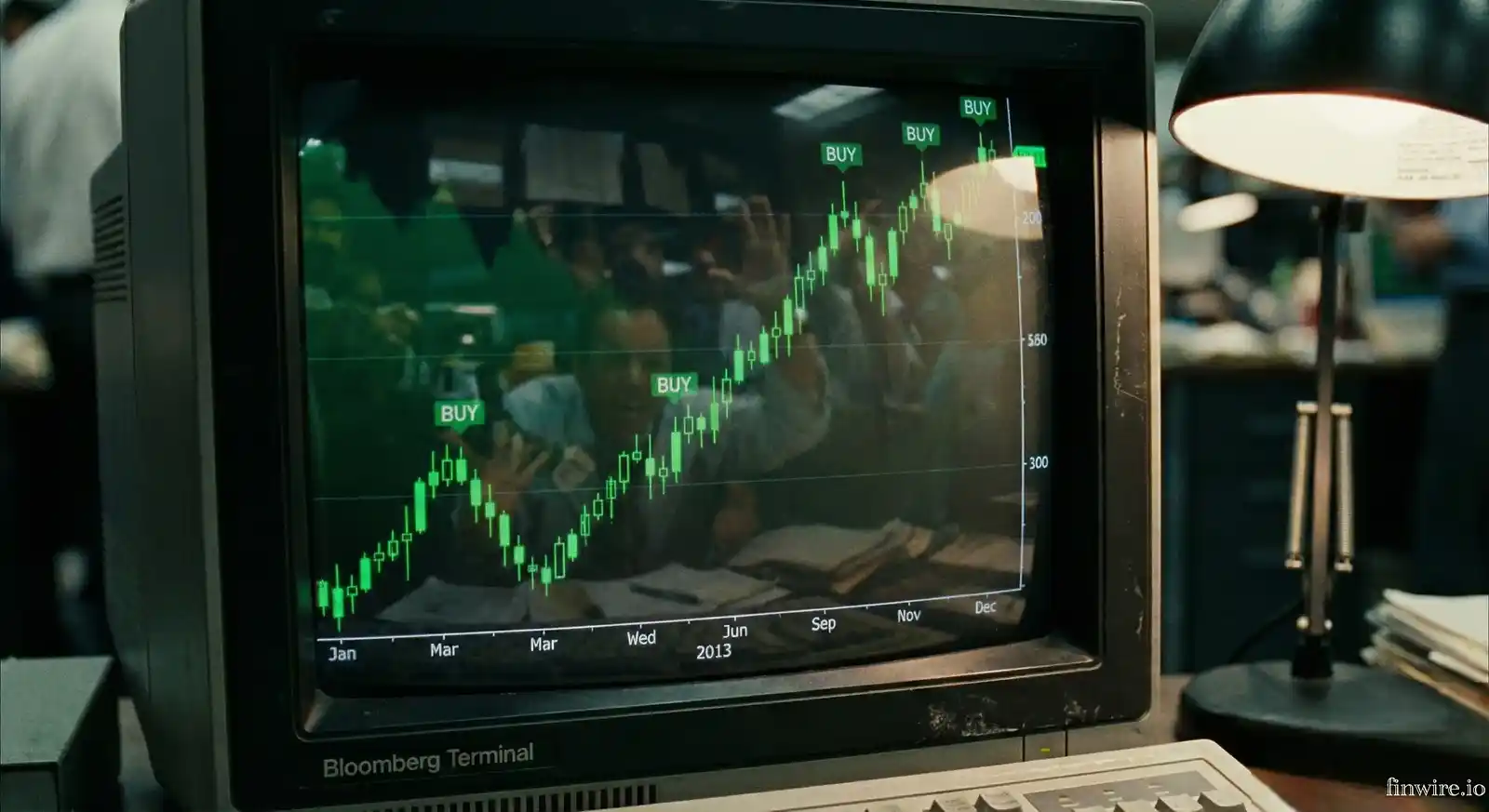
The consumer is still limping, but UBS is starting to wonder whether the stocks may be learning to walk without the crutches.
That is the interesting tension in Mark Paski’s latest read. US consumer confidence has fallen to levels not seen since 2014, the underlying data remain soft, and there is still plenty of macro scar tissue across discretionary spending. Yet some of the sector’s biggest laggards are beginning to outperform anyway.
That is where the trade gets interesting.
Takeaways
UBS is watching for an early bottom in beaten-down consumer stocks, even with confidence and underlying data still weak.
The key divergence is price versus fundamentals. Some of the worst consumer laggards are beginning to outperform before the economic backdrop has meaningfully improved.
Positioning is doing more of the work. Heavy underweights, tax-loss selling and deeply reset expectations mean even modest macro relief can produce violent rebounds.
Retail, restaurants and housing-linked names are where the first signs are appearing. Lower rates, easing energy prices and quarter-end flows have helped the bid.
This is not a clean bottom call. UBS is effectively asking whether the rate of deterioration has slowed enough for markets to turn before the data does.
Consumer Stocks May Be Bottoming
The consumer is still limping, but UBS is starting to wonder whether the stocks may be learning to walk without the crutches.
That is the interesting tension in Mark Paski’s latest read. US consumer confidence has fallen to levels not seen since 2014, the underlying data remain soft, and there is still plenty of macro scar tissue across discretionary spending. Yet some of the sector’s biggest laggards are beginning to outperform anyway.
That is where the trade gets interesting.
Markets do not need the consumer to feel good before consumer stocks bottom. They only need the rate of deterioration to slow enough that the next piece of bad news stops producing a fresh low.
UBS is not calling the all-clear. Far from it. Paski’s point is that the sector remains deeply unloved, investors are still heavily underweight, tax-loss selling continues to dominate the conversation and expectations have already been beaten down hard.
That is exactly the sort of setup where price can start moving before the fundamentals give anyone permission.
Lower rates, easing energy prices and quarter-end positioning helped fuel a bid across discretionary this week, particularly in retail, restaurants and housing-related names. The strongest moves have come from the parts of the market where bearish positioning had become most stretched.
In other words, this may still be a bad neighbourhood, but the shorts are no longer getting paid quite as easily.
That distinction matters.
When a sector stops going down on bad news, traders start asking a different question. The debate shifts from how ugly the backdrop is to whether the market has already discounted enough of it.
UBS is still reluctant to call an outright bottom, and that is probably the right level of caution. The consumer macro picture remains difficult, and confidence itself has not shown a convincing turn. But Q4 now becomes a test of whether fundamentals merely stay bad or actually keep getting worse.
Those are not the same trade.
For many consumer stocks, valuation is no longer the central argument. The question is whether earnings, traffic, margins and household spending can stop deteriorating fast enough for investors to begin rebuilding positions from extremely low exposure.
That is the classic market-versus-economy disconnect.
The economy wants proof.
The market only needs less bad.
The S&P 500 Consumer Discretionary Index is now back near the lower end of its 1,800-to-2,000 range after repeatedly failing to sustain a breakout. Around 1,800 is where the trade gets tested.

Hold that zone and the bottoming argument gets oxygen.
Lose it and the market goes back to trading the macro damage.
Much of that will still come down to the same pressure points squeezing the household in the first place: gasoline and diesel prices, the path of interest rates and whether confidence continues to deteriorate or simply stabilises at ugly levels.
That is why the UBS call is interesting without being heroic.
They are not saying the consumer is healthy.
They are saying the market may be getting close to the point where it no longer needs the consumer to get healthier before the stocks can work.