Constellation Energy: Current Price Levels Leave No Room for Error
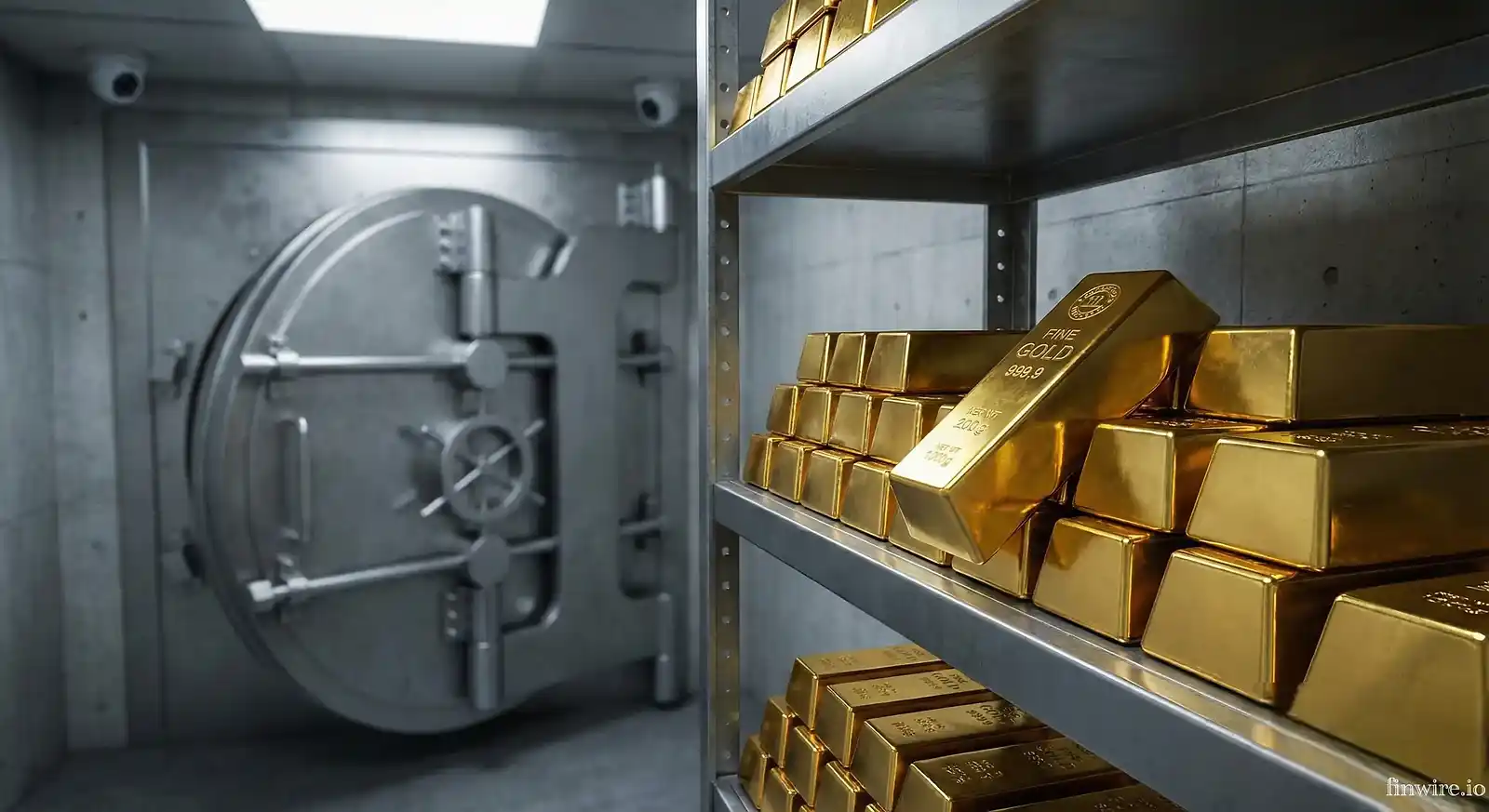
When I look at the energy landscape today, Constellation Energy Corporation stands out simply because of its hardware. It is the largest producer of carbon-free energy in the United States, operating a massive fleet that includes nuclear, wind, solar, and hydroelectric assets, along with natural gas facilities.
Since spinning off from Exelon in 2022, I’ve watched the company position its nuclear fleet as a source of consistent baseload power; a characteristic that is undeniably relevant for the continuous energy demands of data centers, even if the AI hype has gotten a bit loud.
However, the stock has been anything but boring. I’ve seen it trade less like a boring utility and more like a speculative tech proxy, swinging wildly from under $180 during the tariff tantrum in April to an all-time high above $410 in October. Now that it has pulled back to around $340, the market is locked in a debate.
Is this a buying opportunity for a growth-at-a-reasonable-price (GARP) asset, or have investors gotten ahead of themselves? After combing through the Q3 transcripts, the latest strategic updates, and institutional activity reports, my take is nuanced: the long-term growth story is undeniable, but the current price demands a level of execution perfection that I don’t see in the fundamentals just yet.
Stagnant Top-line and Margin Pressures
view the third-quarter results as a necessary reality check for investors who had bid the stock up on pure momentum. While the headline adjusted earnings per share (EPS) of $3.04 beat consensus expectations, when I dig into the operational details, I see a more complex picture than the beat suggests. Revenue came in at approximately $6.57 billion, which was effectively flat; up only 0.3% year-over-year.
Management pointed to a hot summer driving significant electricity consumption in key regions, which sounds positive on the surface. However, I noticed this demand spike exposed a vulnerability: to meet that peak load, Constellation had to purchase additional electricity on the open market. This wasn’t cheap. The cost of purchased energy and fuel jumped by 14%, driven largely by stubborn natural gas prices and market volatility.
To me, this dynamic created a painful squeeze on profitability. Operating margins compressed significantly, dropping from 22% in the prior year to roughly 16% this quarter. Operating expenses also climbed 8%, partly due to higher operations and maintenance (O&M) costs linked to stock-based compensation; a direct side effect of the share price’s massive run-up.
For a company trading at a premium growth multiple, I consider this degradation in efficiency a red flag. It highlights that while they are an AI play, they are still tethered to the gritty realities of commodity markets and grid management.
Despite the cost pressures, I have to give them credit for growing EPS by 11% (up from $2.74 YoY). The nuclear fleet ran at an impressive 96.8% capacity factor; roughly 4% above the industry average; allowing them to capture favorable market pricing, which remained strong and above the price supports guaranteed by production tax credits (PTCs).
If the income statement had some noise, I find the balance sheet to be a fortress. Constellation has been aggressively deleveraging, reducing net debt by roughly $1.5 billion recently to settle at roughly $5.1 billion. By my calculations, this puts their pre-merger leverage ratio at an exceptionally low 0.8x Net Debt/EBITDA.
They are also returning cash to shareholders, albeit cautiously, repurchasing $400 million of stock in Q3 and maintaining a dividend with a 10% annual growth target. This financial discipline provides a solid foundation, but the narrowing full-year guidance ($9.05$9.45 EPS) suggests to me that the easy beats are behind them.
Capacity Addition Strategy
believe the market is largely ignoring the flat revenue growth because the narrative has shifted entirely to capacity expansion. The logic is simple: the grid is maxed out, AI needs more power, and Constellation is the only one with the nuclear keys. The centerpiece of this pivot, in my view, is the restart of the Crane Clean Energy Center (formerly Three Mile Island), which will bring 835 megawatts (MW) of carbon-free generation back onto the grid.
But they aren’t stopping there. I’m tracking their pursuit of uprates; technological upgrades to squeeze more power out of existing reactors; announcing 160 MW of uprates at the Byron and Braidwood centers, with plans for another 900 MW targeted across LaSalle, Limerick, and Calvert Cliffs. Furthermore, they secured a massive regulatory win with the 50-year license renewal for the Conowingo hydroelectric plant, locking in 572 MW of green power for half a century.
This organic growth is paired with what I consider a transformative acquisition of Calpine, expected to close by late 2025. By acquiring Calpine’s massive fleet of efficient natural gas plants, Constellation is acknowledging a hard truth: intermittent renewables and baseload nuclear need flexible, dispatchable gas to stabilize the grid. Financially, I see the deal as a powerhouse.
It involves $4.5 billion in cash, 50 million new shares, and the assumption of $12.8 billion in debt. While that debt load sounds heavy, my models show the pro forma leverage ratio rising to only 2.25x; still very healthy compared to peers like Vistra and NRG. The deal is expected to be accretive to EPS by approximately $2.00, providing a significant step-up in earnings power heading into 2026.
However, there is one glaring hole in the bull case right now. A significant portion of the stock’s premium is built on the expectation of massive hyperscaler deals; colocating data centers directly at nuclear sites. Management keeps teasing that talks are in the late innings, hoping to announce something before the next earnings call. But until I see ink hit paper, I treat this as speculative hope rather than a bankable revenue stream.
Risks to the Bull Case
Despite the bullish setup, I see several distinct risks that could derail the stock’s trajectory, starting with execution risk. Merging with Calpine is not a simple tuck-in acquisition; it’s a massive integration of a fleet that operates on different economics. If the synergies don’t materialize or the integration stumbles, that $2.00 EPS accretion could evaporate, leaving shareholders holding a significantly more levered balance sheet.
Furthermore, as Q3 showed, Constellation is not immune to commodity volatility. The 14% jump in purchase costs hurt margins directly. While they hedge, they are still exposed to volatility in natural gas and electricity prices in the day-ahead and real-time markets. If gas prices spike further, I expect it to continue eroding the efficiency gains they are making elsewhere.
Geopolitical and regulatory exposures also loom large. The "Prohibiting Russian Uranium Imports Act" bans Russian low-enriched uranium, forcing management to secure diverse supply chains years in advance. While they have been proactive, any disruption in the global nuclear fuel market could impact operations.
Additionally, investors shouldn’t forget the volatility we saw in April during the tariff tantrum. The protectionist trade environment remains a threat, and any new tariffs on materials needed for their uprates or battery storage projects could blow out capital expenditure budgets.
Valuation & Guru Activity
Valuation is the most contentious part of this story. If you believe in the GARP narrative, the stock looks reasonable. Looking out to 2026 post-merger analyst consensus for EPS is around $11.49, putting the forward P/E ratio at roughly 31x. When factoring in the projected annual earnings growth rate of nearly 18%, the PEG ratio sits around 1.7x, which isn’t outrageous compared to peers like Vistra (1.6x) and NRG (1.2x).
However, when I look at the intrinsic value of the cash flows through a detailed Discounted Cash Flow (DCF) model, the picture darkens. Even assuming a 5% revenue CAGR through 2030, a massive revenue jump in 2026 for the merger, and operating margins expanding beautifully to 25%, the model spits out a fair value of $345. That is exactly where the stock is trading today, implying the market has efficiently priced in everything; the merger, the margin expansion, and the capacity growth.
Not many guru investors own it, but looking at the ones that do, the trend is decidedly to sell into strength. I tracked the activity of guru investors as of September 30, 2025, and the selling pressure is notable. Louis Moore Bacon (Trades, Portfolio) dumped nearly 40% of his stake, Philippe Laffont (Trades, Portfolio) trimmed his position by 3.4%, and Ken Fisher (Trades, Portfolio) reduced his exposure by 14.7%. While Harbor Capital Appreciation Fund (Trades, Portfolio) loaded up, increasing their stake by roughly 40%, the fact that seasoned allocators like Bacon and Laffont are taking chips off the table suggests to me that they believe the valuation has run ahead of the fundamentals.
Concluding Thoughts
To wrap this up, Constellation Energy looks like a clear long-term buy, but not one I’m willing to step into at the current levels. You simply cannot replicate their nuclear fleet, and the addition of Calpine’s gas assets makes them the most complete power player for the AI era. The strategic logic behind the Crane restart and the Conowingo renewal is sound, and management has proven they can operate these assets better than anyone else. But as an investor, I have to separate the narrative from the numbers. My analysis tells me that the current stock price of $340 has already baked in the victory lap. The DCF models show virtually no upside left at these levels, implying that you are paying for perfect execution over the next five years. If the Calpine integration hits a snag, or if gas prices spike again, there is no margin of safety to cushion the fall. The selling from seasoned pros reinforces my caution; they likely see a company with incredible long-term potential facing short-term execution risks without a discount to compensate for them. I am not betting against Constellation, but I’m not chasing it here either. If the stock drifts down to the $280-$300 levels; perhaps on a broader market pullback or a delay in hyperscaler news; the risk/reward equation flips in our favor.
