US Midterms 2026: Democrats Sweep House & Senate, Dollar Slips


Democrats won the House and at least 54 Senate seats in the 2026 midterms. Gridlock may curb fiscal stimulus, and the dollar slipped as yields eased.
Democrats won control of both the House and the Senate in the Nov. 3, 2026, U.S. midterm elections, according to Associated Press race calls. The House result matched expectations, as Kalshi traders had priced 94.1% odds of a Democratic House on Nov. 2. Senate control looked less certain at 75% odds, yet NBC News now counts 54 Democratic seats to 44 Republican. Alaska and Mississippi are still uncalled, and President Donald Trump still holds a veto pen, so analysts mostly expect gridlock on taxes and spending.
U.S. Midterm Election Results: Key Takeaways
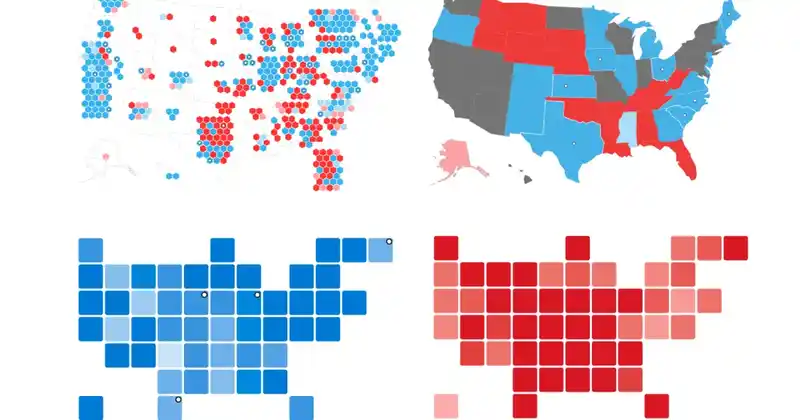
- Senate: Democrats hold at least 54 seats to 44 after flipping seven, including Texas, Kansas and South Carolina. CBS News rates Alaska and Mississippi as toss-ups.
- House: NBC News counts 236 Democratic seats to 146 Republican, with 53 races uncalled. Its model puts Democrats near 258 seats, well past the 218 needed for a majority.
- Voter mood: CBS News put Trump’s approval at 38%, and 89% of voters called the cost of living a major or crucial factor.
- Market reaction: The U.S. Dollar Index slid 0.5% to 101.32 early on Wednesday, Nov. 4, its lowest level in over a month. The 10-year Treasury yield eased to 4.92%.
- First funding deadline: Current federal funding runs through Friday, Dec. 11, 2026. Without a new bill, a funding gap could start on Saturday, Dec. 12.
- Next Fed meeting: The Fed meets on Tuesday, Dec. 8, and Wednesday, Dec. 9, with its policy rate at 3.75% to 4.00%.
Seat totals are as of about 17:15 GMT on Wednesday, Nov. 4, 2026 (NBC News Decision Desk / AP data). Democrats hold the Senate 54–44, with Alaska and Mississippi still uncalled, and the House 236–146, with 53 races still outstanding. Votes are still being counted, so final seat totals can still change.
What Do the 2026 Midterm Election Results Show?
Democrats flipped Senate seats in seven states Trump won in 2024: Iowa, Kansas, Maine, North Carolina, Ohio, South Carolina and Texas. Kansas picked its first Democratic senator since 1932, Ballotpedia noted. In the House, 14 Republican incumbents lost and no Democratic incumbents did, as of Ballotpedia’s 1:30 a.m. EST update.
The AP called the House at 1:26 a.m. ET on Wednesday, Nov. 4, Roll Call reported. Republicans had redrawn maps in states like Texas and North Carolina to gain seats. Democrats still won rural and GOP-leaning districts. AP reporters tied the rout to voter frustration over high prices, the Iran war and concerns about government corruption.
The count isn’t finished, though. In NBC’s tally, Mississippi’s Senate race sat at 48.9% for each candidate with 95.7% of the expected vote in. In Alaska, Democrat Mary Peltola led Republican Dan Sullivan 48.2% to 47.9%, with 74.3% counted. Dozens of House races also remain open, so final seat totals could still shift.
What Policy Shifts May Follow the Midterms?
Think of divided government as two drivers sharing one steering wheel. Trump keeps the White House, but every tax and spending bill now needs a Democratic Congress. ING expects spending and tax proposals to stall in gridlock. Trump has already warned he’ll “likely” become “Mr Veto,” the bank notes. Overriding a veto takes a two-thirds vote in both chambers, and Democrats don’t have that.
Trade and immigration probably stay in the president’s hands. Allianz economists expect tariff, immigration and regulatory policies to remain largely executive-led. They also see the effective U.S. tariff rate reaching about 8.5% by January 2027. Democrats get hearings and budget power, but the new Congress doesn’t convene until January 2027.
AI may feel the oversight first. Allianz says the AI fight could shift to states, which control permits, siting and power rates. By its count, Democrats won seven of 10 competitive governor races covering 67 gigawatts of planned data center capacity.
The first budget test comes sooner. Federal funding under the current stopgap law expires on Dec. 11, 2026, according to the Congressional Research Service. ING also flags a debt ceiling fight that may come to a head by mid-summer 2027, with a risk of an extended shutdown.
How Could the Results Shape the U.S. Economy and the Fed?
Gridlock probably means less fresh fiscal stimulus. Treasuries rallied on Wednesday, Nov. 4, as investors likely anticipated gridlock that may cut government spending, Reuters reported via Yahoo Finance. The same report said AI regulation could also slow growth and reduce the need for rate hikes. The 10-year yield dipped as low as 4.89% overnight.
Deficits won’t disappear, though. Allianz projects the federal deficit could widen from 6.2% of GDP in 2026 to 6.6% in 2027. In its view, Republicans may win extra defense money while Democrats secure more non-defense spending.
AI spending has carried a big chunk of recent growth. U.S. GDP grew 3.4% annualized in Q3, and business investment jumped 12.7%, partly on AI data centers. A slower and costlier data center buildout could trim that support, Allianz warns.
The Fed held rates at 3.75% to 4.00% on Oct. 28, with two officials voting for a hike. After the Q3 data, traders priced about 84.5% odds of a December hike. Softer fiscal support could chip away at that case before the Dec. 8 to 9 meeting. Allianz adds that a Democratic Senate may slow confirmations, including for a Fed vacancy in January 2028.
What Do the Midterm Results Mean for the U.S. Dollar?
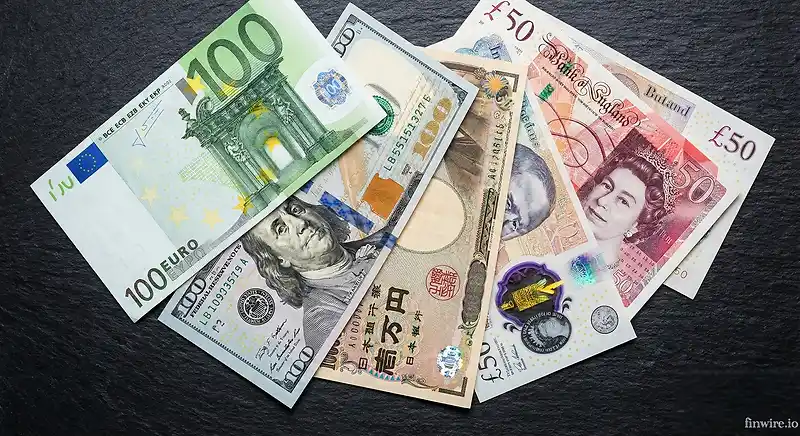
The dollar slipped as the results came in. By late morning in New York on Nov. 4, EUR/USD rose 0.40% to 1.1234 and GBP/USD gained 0.41% to 1.3469, Reuters reported. The Swiss franc and the yen also firmed against the greenback.
ING says the dollar recovered from its early Asia lows. In ING’s view, a still-resilient U.S. economy and at least one more Fed hike may limit further losses. Its analysts still see room for a little more dollar weakness into 2027, especially if a shutdown hits in mid-2027.
For now, U.S. data may matter more than politics. The jobs report lands on Friday, Nov. 6, at 8:30 a.m. ET (13:30 GMT), and CPI follows on Tuesday, Nov. 10, at 8:30 a.m. ET. Strong numbers could revive December hike bets, while weak ones could add to the dollar’s post-election slide.
AI disclosure: The Babypips editorial team used AI tools to help research, write, and check this article. A Babypips editor reviewed and edited it before publication. AI tools can misread data, make arithmetic errors, and state wrong information in a confident tone. Check figures and quotes against the linked sources before you rely on them. Our Editorial Policy explains how we use AI and how we review AI-assisted work.
Related Articles
- World News
Story of US 2026 midterm elections in maps and charts
- World News
Visualising how the US midterms turned the map blue
- Crypto News
Democrats Win US House and Senate in 2026 Midterms
- World News
Election 2026: How Democrats could win the House, how Republicans could hold on
- Politics News
US midterm elections 2026: live results from Senate, House and governor races in all 50 states