80% of Banks Have Already Faced Agentic AI Attacks, According to BioCatch Survey


Behavioral-biometrics firm BioCatch has highlighted the growing challenge financial institutions face in distinguishing legitimate customers, authorised AI assistants and malicious automation. Its 2026 survey of 1,440 fraud-management, AML, and...
Behavioral-biometrics firm BioCatch has highlighted the growing challenge financial institutions face in distinguishing legitimate customers, authorised AI assistants and malicious automation.
Its 2026 survey of 1,440 fraud-management, AML, and risk-and-compliance professionals at banks in 25 countries found that 80% of respondents said their institutions had already encountered attacks using agentic AI.
London's trading industry is coming home!
The Shift to Agentic Trading
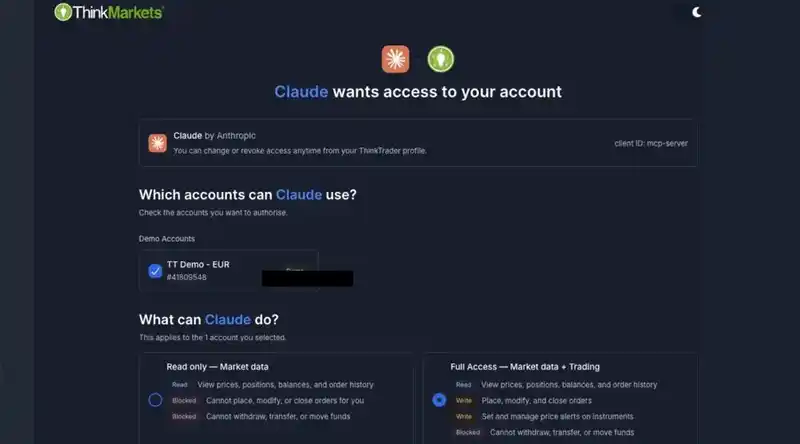
In 2026, several retail brokers, including the industry’s biggest platform providers – MetaQuotes and Spotware – have enabled traders to connect their accounts with AI agents via MCP integrations.
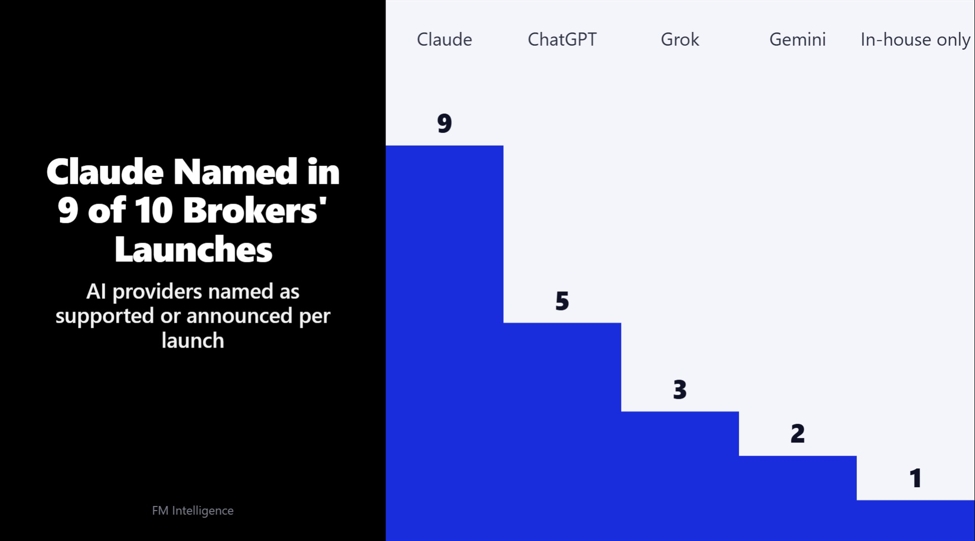
An FM Intelligence analysis found that Claude is particularly popular, with 9 out of 10 brokers enabling integrations with Anthropic’s tool.
Most have introduced safeguards around agentic access. Robinhood, for example, requires a dedicated Agentic Account for AI-agent use, while its agreement makes customers responsible for funding the account and for activity conducted within it.
However, risks might emerge in other stages, such as onboarding. While KYC and fraud controls help address risks such as affiliate fraud, as AI agents become more capable of mimicking human interaction, device- and IP-based controls alone may provide an incomplete defence.
Telling Humans and AI Apart
BioCatch says its new capability, AiRE (Agentic AI Risk Essentials), can detect AI agents acting on behalf of account holders, or at the behest of bad actors, before money moves.
The company says AiRE surfaces behavioral anomalies and unusual interaction patterns, including synthetic inputs, browser permission profiles, agent infrastructure, and agent declarations. It also covers cloud-based agents such as Muse.
Institutions using BioCatch’s agentic-AI detection receive indicators of potentially risky agentic activity.
More broadly, BioCatch’s behavioral-biometrics platform analyses signals including keystroke and mouse activity, touchscreen behaviour, and AI-agent usage to help distinguish legitimate customers from automated or fraudulent activity
Such telemetry could inform decisions to block, review, or permit automated sessions, though its effectiveness would depend on implementation and the specific platform.
The Broker-Bank Liability Divide
The tool's release comes as financial institutions, such as major UK banks including HSBC, Nationwide, NatWest, Barclays and Lloyds, reportedly blocked AI agents from accessing customer accounts over fraud and liability concerns.
Interestingly, retail brokers appear far less concerned about the liability implications of agentic trading. Robinhood told Finance Magnates that “customers are solely responsible for how the agents are built and any resulting actions the agents take.”
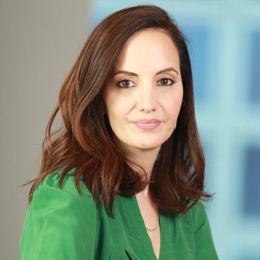
“Whether banks plan to block all agents, grant access to only certain, pre-approved agents, or open the floodgates and allow any agent to access their platforms, those institutions must be able to first reliably detect whether the entity controlling a session is a human or an agent and if the intent of that entity is genuine or malicious,” BioCatch Chief Product Officer Ayelet Eliezer said. “Artificial intelligence capabilities for consumers, institutions, and bad actors alike are evolving rapidly.”
The survey also found that 84% of respondents viewed AI agents as the industry’s greatest exploitable vulnerability over the coming year, while 72% expected it to be very difficult to distinguish legitimate AI-assisted actions from malicious or manipulated activity.
Related Articles
- Crypto News
CFTC Chair Says Fridges Could Stake Ether, Launch Memecoins
- Forex News
AI in Retail Trading: Competitive Advantage or Broker Marketing Expense?
- Stock Markets News
AI sharpens cat-and-mouse hacking battle as companies strengthen defences
- Economy News
US bank regulator issues first-ever AI guidance for examiners
- Stock Markets News
Jefferies sees AI trading tools boosting market volumes