UK PM Burnham seeks closer EU ties as Brexit tensions threaten growth push


UK PM Burnham seeks closer EU ties as Brexit tensions threaten growth push
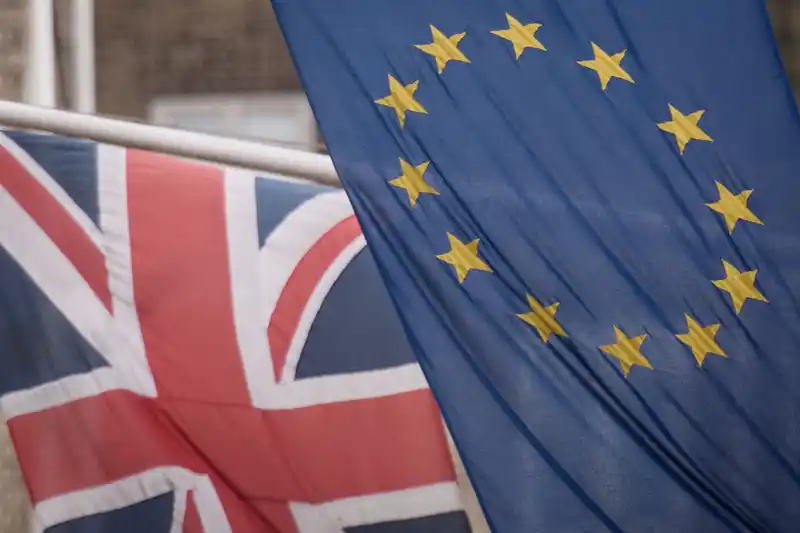
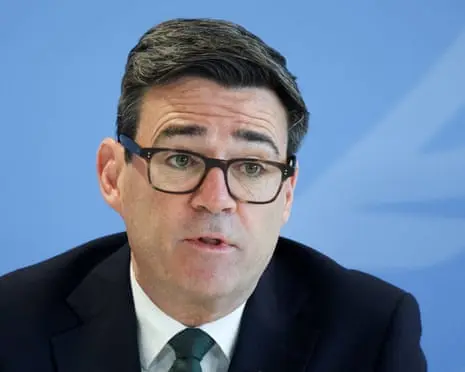
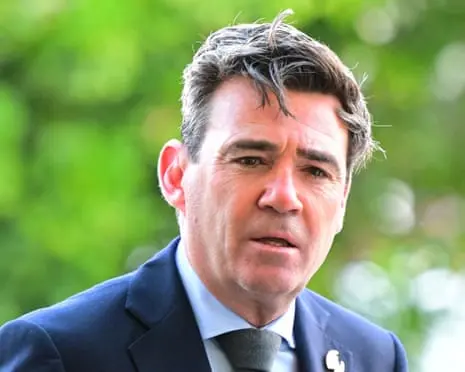
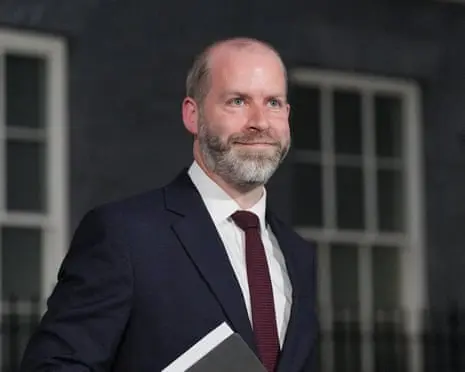
Investing.com -- British Prime Minister Andy Burnham is preparing to seek closer economic ties with the European Union at two November summits, testing whether the government can loosen Brexit-era restrictions without reviving political divisions at home.
The first test comes at next week’s European Political Community meeting in Dublin, followed by a formal UK-EU summit on November 20. British officials hope the meetings will give momentum to negotiations that have struggled over several issues.
Talks already cover youth mobility, agricultural trade and emissions rules. European negotiators have resisted linking access for British companies to the bloc’s industrial strategy with discounted university fees for EU students, insisting the education issue be resolved separately.
Burnham, who became prime minister in July, has signaled greater flexibility than predecessor Keir Starmer. His government is weighing options ranging from a tailored economic partnership to customs union or single-market membership, with eventual EU re-entry also under consideration.
Each path carries different costs. Single-market membership could improve trade access but would require accepting free movement of people, a politically sensitive issue in Britain. A customs arrangement could avoid some immigration disputes but offer narrower economic benefits.
The proposals have unsettled Labour lawmakers representing constituencies that supported leaving the EU in 2016. Some fear renewed arguments over migration and sovereignty could strengthen Nigel Farage’s Reform party ahead of the next election.
Public attitudes have shifted toward closer European ties, according to recent polling, but support for reversing Brexit does not necessarily translate into enthusiasm for another prolonged political battle.
Brussels also faces competing priorities, including discussions with Canada about a closer relationship with the bloc. European officials have expressed doubts that Britain’s more ambitious rhetoric will produce immediate changes in negotiations.
For Burnham, the challenge is securing meaningful trade concessions without promising a settlement that lacks durable support from Parliament, voters or European governments.
Related Articles
- Business News
Businesses still grappling with Brexit red tape and want change, says BCC
- World News
Andy Burnham says he wants ‘honest discussion’ about freedom of movement with EU
- World News
Burnham denies proposing return to free movement in talks with EU
- World News
Five European leaders call for closer ties with Britain ahead of crucial EU summit
- World News
UK officials discussing options including free movement with EU ahead of summit