New Zealand election puts tax reform party in kingmaker role as majority hangs


New Zealand election puts tax reform party in kingmaker role as majority hangs
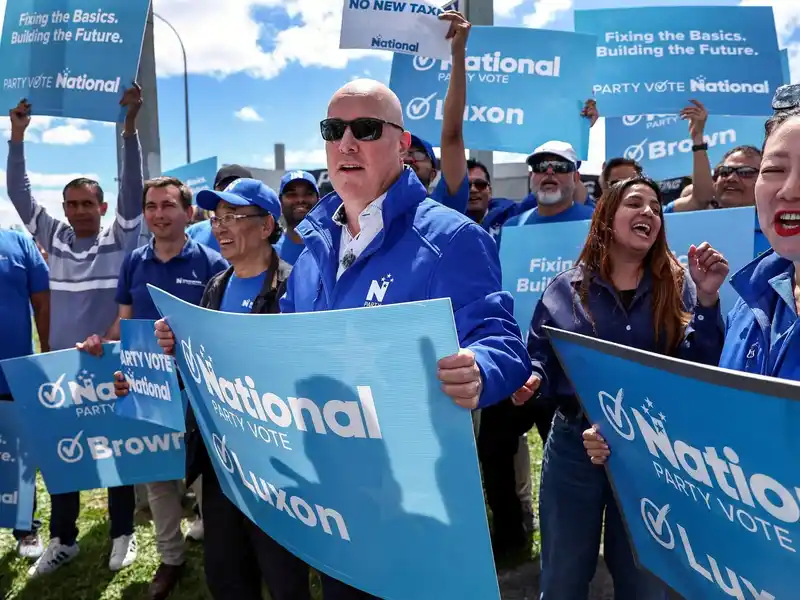
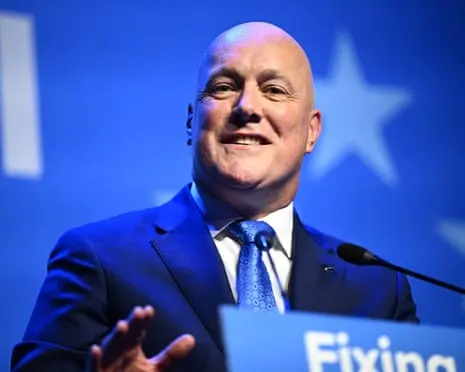
Investing.com -- New Zealand’s election has left Prime Minister Christopher Luxon facing a fragile path to another term, with a newcomer proposing sweeping tax changes potentially holding the balance of power once outstanding ballots are counted.
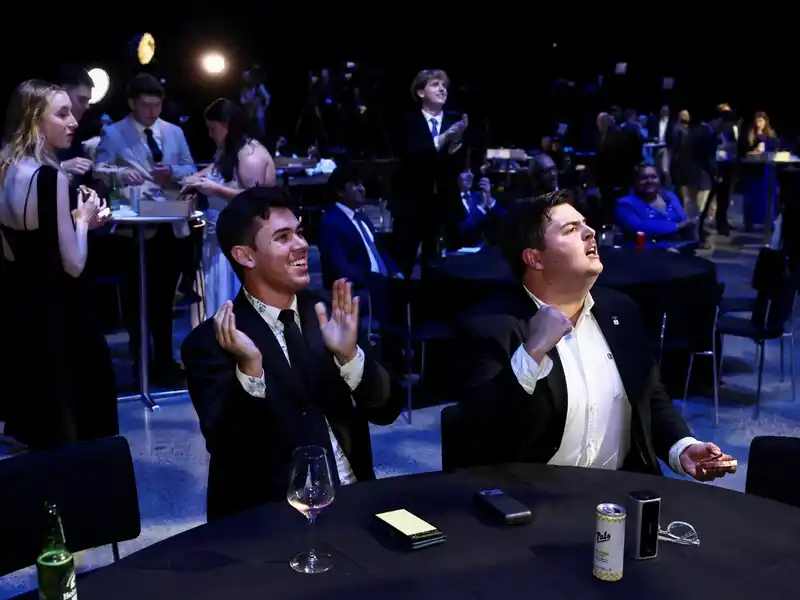
The governing alliance of National, ACT and New Zealand First secured a provisional 67 seats in the expanded 131-member parliament, just enough for a majority. National won 42 seats, ACT 13 and New Zealand First 12.
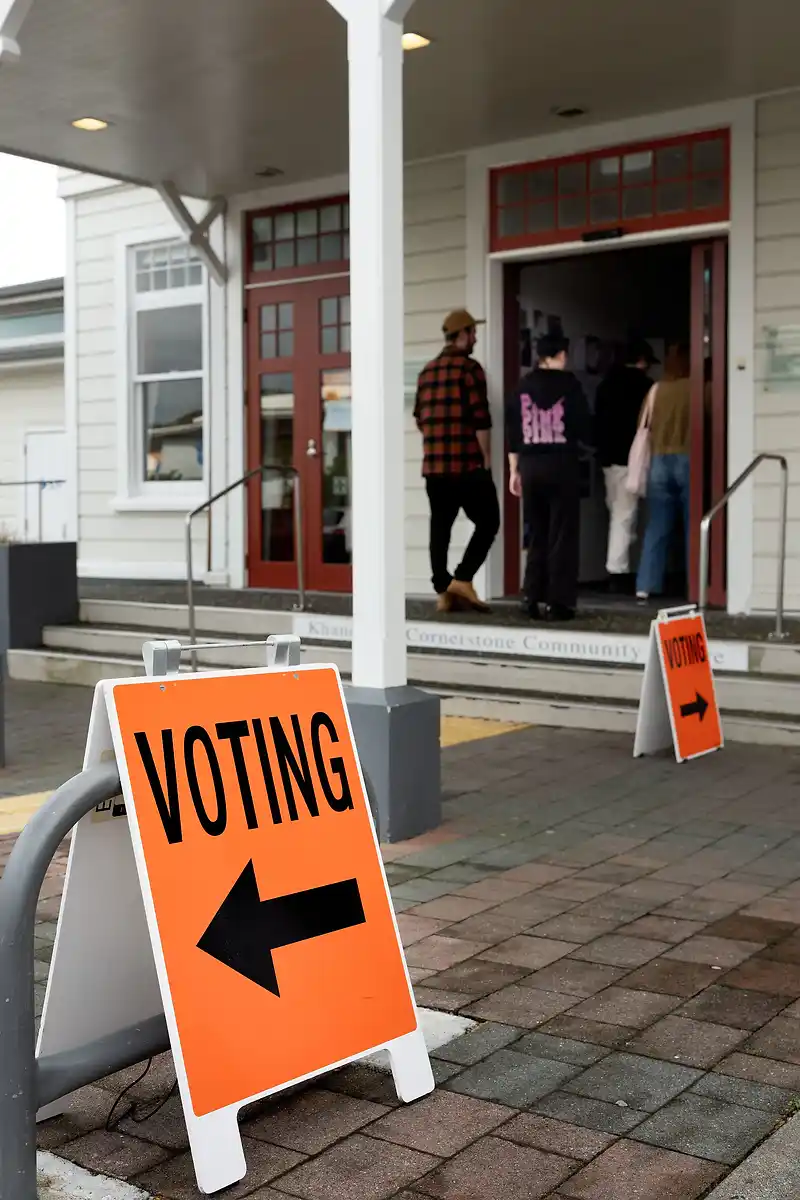
But nearly 400,000 special votes, representing about 14% of ballots, remain uncounted until November 27. These votes have historically favored left-leaning parties and could erase the coalition’s narrow advantage.
That uncertainty has brought Qiulae Wong, the 38-year-old leader of the centrist Opportunity Party, into focus. Her party won a projected seven seats with 5.96% of the vote, potentially positioning it to negotiate support for the next government.
Opportunity proposes an annual NZ19,400(10,800) universal basic income for most residents, funded by a 1.75% annual land tax. Both major parties have rejected the proposals, creating an obstacle to any agreement.
Luxon previously ruled out governing with Opportunity but indicated Sunday that building a relationship with Wong would be appropriate. Labour leader Chris Hipkins is also waiting for final results before coalition negotiations.
The center-left Labour, Greens and Te Pāti Māori bloc is projected to hold 57 seats, rising to 64 with Opportunity, still short of the 66 seats needed for a majority in the projected parliament.
The election also exposed declining support for established parties. National and Labour each received just over 29% of votes, as smaller parties gained ground amid voter frustration over living costs.
The incumbent coalition remains in office in a caretaker capacity, limiting major decisions until a government is formed. Parliament must convene by January 14, and Hipkins has expressed hopes of reaching an agreement before Christmas.
Related Articles
- World News
New Zealand braces for knife-edge election: What you need to know
- World News
Relative newcomer may hold key to power as New Zealand election goes down to the wire
- World News
New Zealand election: No clear winner after tight general election
- World News
NZ election 2026: New Zealand faces weeks of uncertainty with results ‘too close to call’
- World News
Two main parties neck and neck after New Zealand vote, near complete count