Cybersecurity Alert: Arbitrum Network Faces $1.5M Proxy Contract Exploit

Cybersecurity Alert: Arbitrum Network Faces $1.5M Proxy Contract Exploit
- Main event, leadership changes, market impact, financial shifts, or expert insights.
- USDGambit and TLP projects impacted on Arbitrum.
- Concise takeaway: Account access loss leads to $1.5M theft.
Cyvers detected suspicious transactions on the Arbitrum network, leading to a $1.5 million loss via a proxy contract exploit involving the USDGambit and TLP projects.
The funds were transferred to Ethereum and laundered through Tornado Cash, highlighting vulnerabilities in DeFi projects and raising concerns within the cryptocurrency community.
$1.5M Theft on Arbitrum Network Sparks Security Debate
Immediate changes following the attack include heightened scrutiny of proxy contract security across the DeFi sector. Although no immediate industry-wide reforms were announced, the event highlights ongoing risks and the need for better protective measures against unauthorized access.
The broader crypto community has reacted with concern. There have been no official statements from project leaders or major figures on this specific incident. However, the use of Tornado Cash for laundering funds has prompted discussions on regulating such privacy tools.
Sarah Connor, Analyst, Crypto Trends – “The $1.5 million stolen highlights ongoing security issues across multiple blockchain networks.”
Arbitrum Price Responses and Expert Security Opinions
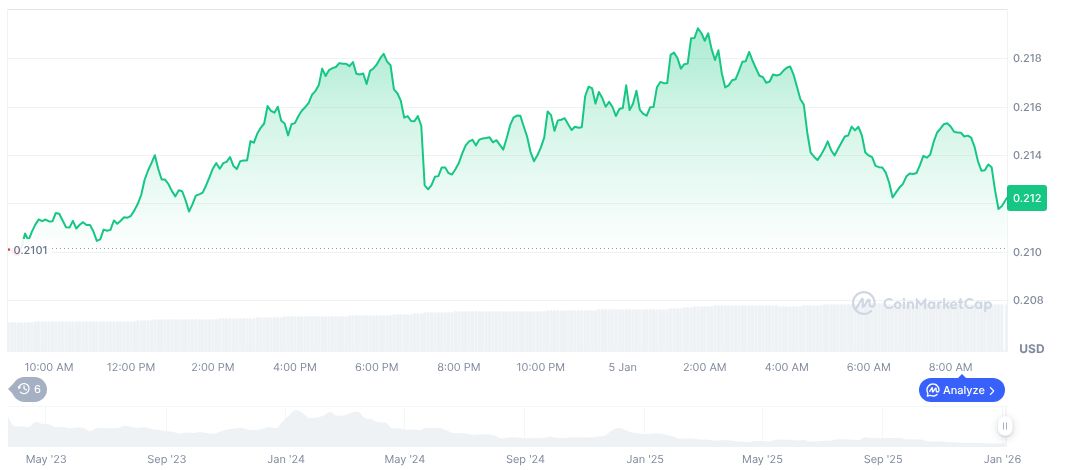
According to CoinMarketCap, Arbitrum (ARB) reports a current price of $0.22 with a market cap of approximately $1.25 billion. The 24-hour trading volume reached $115.18 million, marking an increase of 45.23%. In the last 90-days, ARB’s value decreased by 48.87%, while in the past week, it rose by 14.16%.
Insights from the Coincu research team suggest potential increased regulation around proxy contracts, emphasizing the technological need for reinforced security measures. Layer 2 solutions may need updated security protocols to prevent future attacks of this nature.