What was the best and worst news for small firms in the Budget?


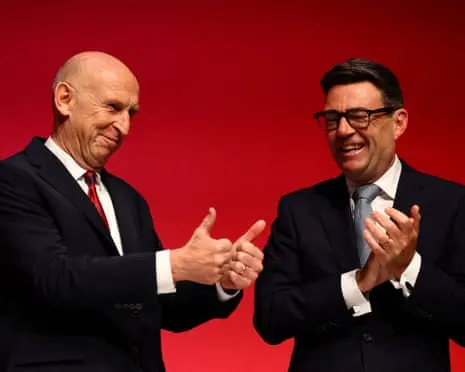
Chancellor John Healey gave with one hand and took with the other
The Independent SME Channel is brought to you by Hostinger.
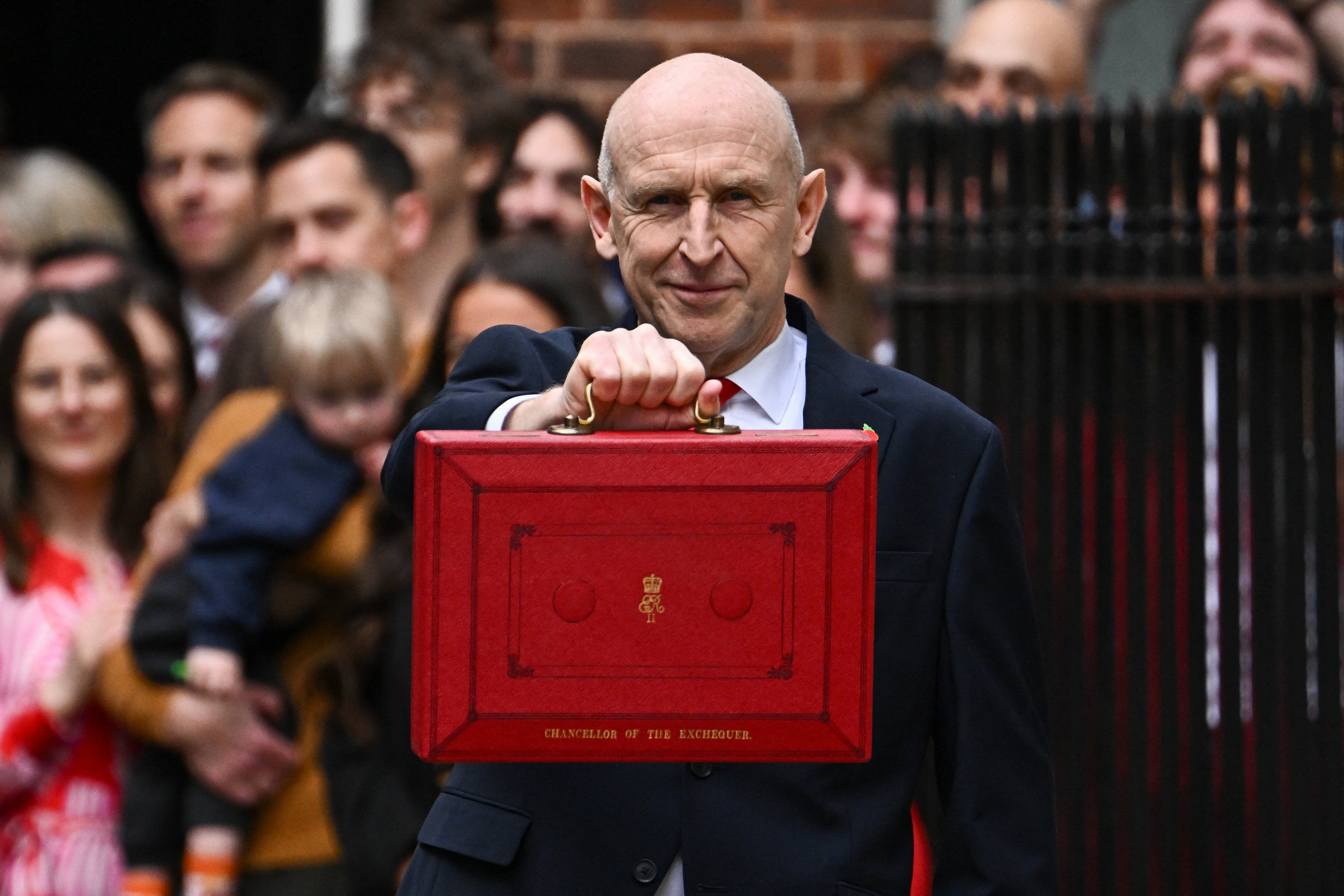
The 2026 Budget is in the books and it will not go down as one of the most notable ever seen.
Chancellor John Healey was clearly keen to tread lightly and steer away from anything that would rock the boat for an already struggling economy.
There was still some substance there from the perspective of small businesses, some of which was positive - but some that was bad news.
Good news: Rates relief
Raising small business rates relief thresholds to £18,000 and £21,000 is a decent helping hand for some businesses.
Phil Vernon, head of specialist business rates projects at PwC UK, described it as a welcome boost for the high street.
“It will take around 70,000 more shops, cafés and pubs out of business rates entirely, and a two-year real-terms freeze gives the rest some certainty,” he said.
“But small business rates relief is generally limited to businesses with a single property, so a local baker or café owner with a second shop will often get none of it, though they will still benefit from the freeze. That also sharpens the cliff edge: opening a second site could now cost a growing business more in lost relief than ever before.”
Good news: Trade Allowance
Another helpful move is the trade allowance being tripled. While it has only moved from £1000 to £3000, it will take some people with small side hustles out of paying tax.
Lee Murphy, managing director of the Accountancy Partnership, said: “Raising the trading allowance is probably the most useful measure announced in the Budget for anyone with a side hustle. From selling on Vinted to tutoring in the evenings, anyone with a side income can earn up to £3,000 per year and have nothing to file.
Everything you need to build, launch and grow online
LEARN MOREADVERTISEMENT
Everything you need to build, launch and grow online
LEARN MOREADVERTISEMENT
“In a practical sense, this takes a lot of people out of self-assessment altogether. My warning to those who still need to submit a return is that the allowance can still be used to reduce your tax bill, but only instead of claiming expenses, and does not sit on top of them.
“If your costs are more than £3,000, claiming them could be better. You’d also still need to keep records to prove your income.”
Good news: Small boosts, better package?
Other measures that provide a small boost included changes to mileage cost rules and paternity leave entitlement.
Josh Toovey, head of policy and research at IPSE, said: “Some of these tweaks are genuinely helpful. Reversing the cash ISA cut, better mileage rates, parental pay and an increased trading allowance will all make a difference, and business rates reform is a welcome boost for our smallest high street businesses.
“But taken together, they don’t go anywhere near far enough.”
Bad news: Hiring costs increase
The minimum wage has been raised by 3.9 per cent, which will add to the cost of running many businesses.
For workers aged 21 and over it will rise from £12.71 an hour to £13.21.
The rate for workers aged 18-20 will go from £10.85 an hour to £11.27.
Large corporations may not feel the squeeze too much and have the market power to pass the cost through to their customers, but many SME businesses could feel a real hit to their books.
Bad news: Tax obligations on small traders
Mr Healey also made some ominous comments about changes to filing requirements for self-assessment taxpayers.
He said HMRC will ‘reform’ self-assessment in 2029. He wants to bring these taxpayers ‘into line with the majority’ by replacing large annual or semi-annual bills with smaller, more regular payments.
This is already in motion to some degree, with self-assessment payers above staggered thresholds having to start filing quarterly returns. The government has badged it up as Making Tax Digital. The first threshold was £50,000 and came in this past April.
The aim from the government’s point of view is not to make life easier or more profitable for businesses, but to get more money into HMRC, more quickly.
This is an attack on small businesses, as it creates a much bigger admin burden. Filing a tax return quarterly is essentially four times the work as filing annually, however you dress it up.
The other aspect is that it will cost people money in a couple of ways. If you are unable to do your own returns, it means you will need to pay an accountant. It is highly unlikely accountants will take care of four returns for a similar price to one.
Another way it will cost people money is that a pay as you earn system will move money from a small business bank account to the government’s pocket earlier.
Small businesses will therefore lose all the interest that would have been earned from that money being in their accounts during the year.
Related Articles
- Business News
‘There has to be a bolder shift’: retail and hospitality businesses assess relief in budget
- Business News
Premier Inn owner Whitbread set for up to £60m Budget boost
- Business News
Can John Healey make a dent in the cost of living crisis in his first budget?
- Business News
Number of distressed businesses hits two-decade high on eve of Budget
- Business News
Small businesses in Bilston say Budget failed to deliver the help they need