The Guardian view on pharmacy closures in England: jeopardising plans for a neighbourhood health service | Editorial
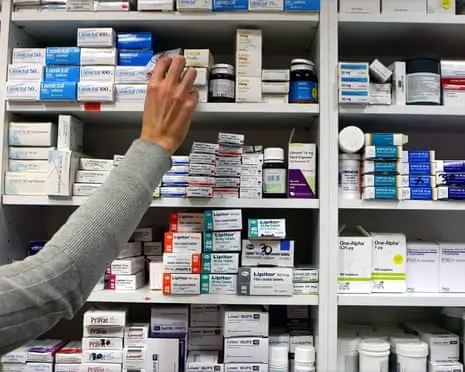
Pharmacists reduce pressure on GP surgeries, improve people’s health and identify the warning signs of serious conditions. In England, about 1,200 local chemists have closed since 2017, representing a reduction of 10%. A survey earlier this year found that only 14% are profitable. The government wants to build a “neighbourhood health service” as part of its 10‑year health strategy for England. But its plans won’t succeed if community pharmacies continue closing or restricting their hours.
High street chemists are being asked to do more with less. They receive 90% of their income from the NHS, but have absorbed a 40% real-terms cut since 2016. Despite recent increases, funding to the sector is still less than it was a decade ago. Meanwhile, England’s ageing population is driving up the number of prescriptions that pharmacies dispense, which grew by 60m between 2017 and 2022. Attempts to relieve pressure on other parts of the NHS through the Pharmacy First scheme, where pharmacists prescribe medicines for conditions such as shingles and impetigo, have added to their workload.
An investigation commissioned by NHS England, whose publication was delayed until three days before the government announced the latest funding deal last year, found that community pharmacies in England faced a shortfall of £2.3bn. This is owing to the decision to slash their funding by 6% in 2015, driven by the Treasury’s conviction that the growth of online ordering of prescriptions would “save time for working people”. That decision ignored the vital role chemists play locally and the savings they can deliver for the NHS. It has also made it harder to shift clinical care from GPs to pharmacists, as ministers intend. In parts of Cornwall, closures mean patients now face a 17-mile round trip to collect a prescription.

Many of the pharmacies that have shut in recent years were in supermarkets, or branches of larger chains that were bought out by private equity funds. This ought to be a lesson in the risks of entrusting crucial services to profit-seeking investors. Boots, whose owners make more profit from selling beauty products than dispensing prescriptions, announced in 2023 that it would close 300 pharmacies. Some smaller independent pharmacies have been deterred from closing despite not making a profit, because the cost of redundancy and losing their premises would be too great. Consequently, many have reduced their opening hours, or cut staff.
Community pharmacies face the same pressures as many other businesses, such as rising energy bills. But since they are publicly funded, they can’t pass these costs on to consumers. Drug shortages, which have increased the price of medicines, pose a particular challenge. Chemists buy their medicines at a price set by the NHS drug tariff. When medicines cost more than this, the NHS refunds pharmacies the difference, leaving smaller chemists out of pocket until they can get reimbursed. Some pharmacists report using overdrafts to pay for medicines that they are contractually required to dispense.
The government should end this practice of “dispensing at a loss” and properly cover pharmacies’ costs. It will also need a longer-term strategy to address drug shortages, including working with the EU on reshoring the production of some medicines. Critically, if the government is serious about its drive to make healthcare more local, convenient and preventive, it should fund the real cost of the services that local chemists provide.