Small firms are turning their backs on Black Friday - this is why 2m are opting out
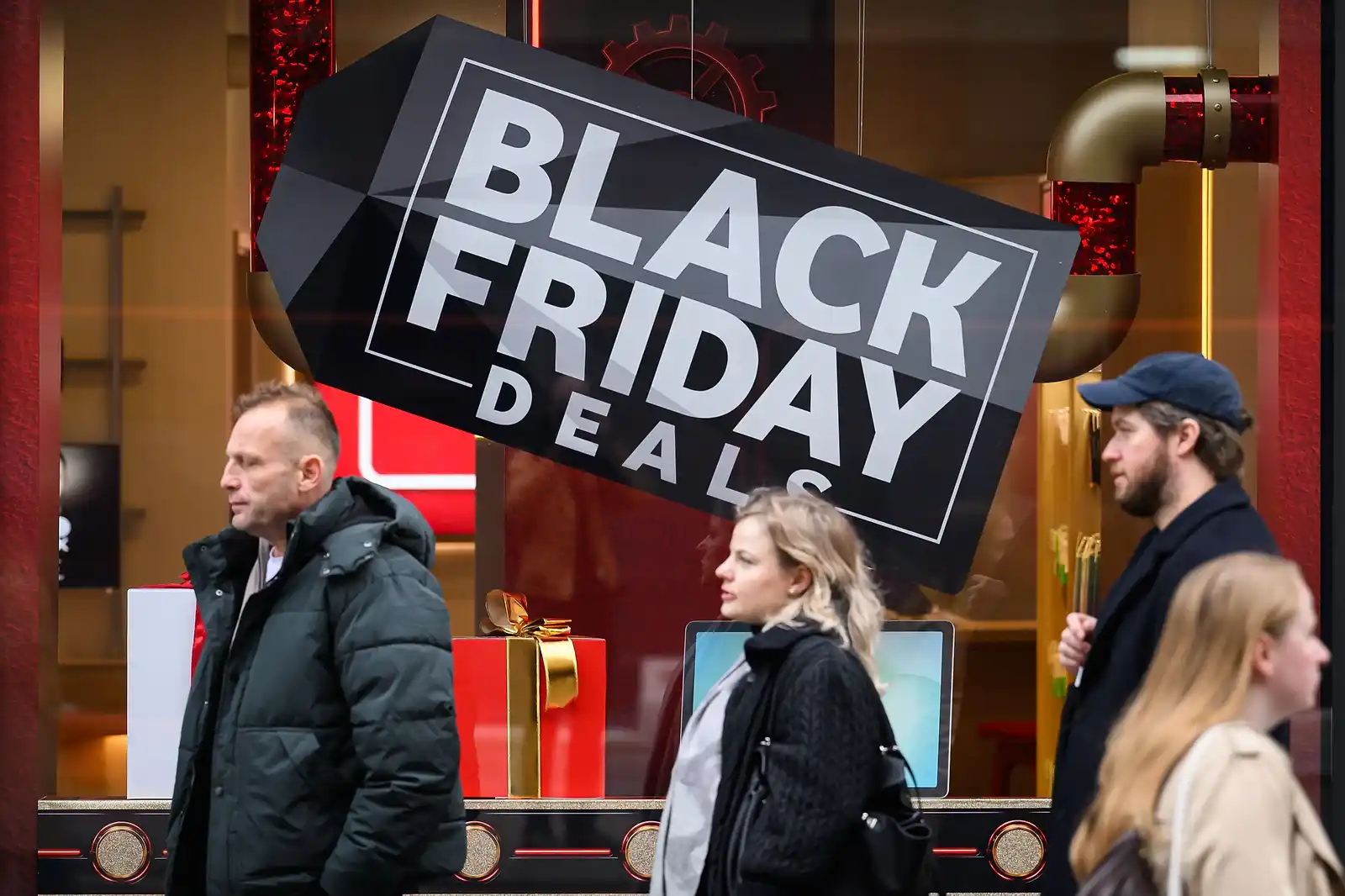
More UK small businesses are refusing to take part in Black Friday sales this year, with many concerned that discounting will eat into profits or devalue brands
The Independent SME Channel is brought to you by Hostinger.
Black Friday is framed as the best time to splash out on the items you have been coveting over the preceding months, but it’s not always quite that simple.
In a custom that has spilled over to the UK from America, retailers often provide large discounts on the Friday after Thanksgiving, and increasingly in the days before or after it as well.
From the perspective of small business owners it could be seen as either an opportunity or a burden, depending on the specifics of how the firm is run.
On one hand, many potential customers are more likely to be considering spending money than at other times of year, particularly given the proximity to Christmas.
But the other side of the coin is that if a company’s pricing is already as low as it can be in order to compete with rivals, then there is nowhere to go. Cutting prices to an uncomfortable, or even unprofitable, level is not going to stack up financially.
Opting out
According to research by MoneySuperMarket, nearly 2 million UK business owners are sitting out Black Friday this year. This is up sharply from 1.2 million who said the same thing in 2025.
The price comparison site spoke to 300 UK sole traders and small business owners to compile the research.
All told, the survey found that more than a third (35 per cent) will not be taking part around Black Friday, compared with around a fifth (22 per cent) last year.
There is evidence of split opinion on whether Black Friday is good for small firms overall.

Everything you need to build, launch and grow online
LEARN MOREADVERTISEMENT
Everything you need to build, launch and grow online
LEARN MOREADVERTISEMENT
Just over half (53 per cent) of those spoken to said it helps them win new customers, while a third (32 per cent) see it as “an important sales boost” and a quarter (27 per cent) said it helps them clear old or excess stock.
However it is not all positive, as 14 per cent of the businesses contacted said they feel the discounts required to take part “devalue their brand.”
Alicia Hempsted, business insurance expert at MoneySuperMarket, said: “Our latest research shows small business owners are taking a more considered approach to Black Friday this year.
“While those taking part are seeing real value in attracting new customers and boosting sales, others are weighing up whether discounting is the right strategy for their business.
“Whether or not business owners take part in Black Friday, the run-up to Christmas often changes how a business operates, from holding more stock to bringing in temporary staff - and insurance costs could change accordingly.”
Scam risks
Black Friday can also be a double-edged sword for consumers, as marketing something as a great deal does not always mean it really is, despite regulators’ best efforts.
Opportunistic scammers are unlikely to pass up the opportunity to use Black Friday as a pretext for a nefarious money-making scheme.
Sophie Graham, a personal finance expert at Sunny, has drawn up six guidelines which will help avoid becoming a victim.
1) If something feels rushed or too good to be true, take a pause
Graham said scammers rely on urgency to make people act before they think. If a deal feels unusually cheap or comes with a countdown timer, you should stop and take a breath. Genuine retailers don’t need to pressure you into a decision, she noted.
2) Stick to retailers and websites you already trust
“Familiarity is one of the easiest forms of protection,” Ms Graham said. “Shopping directly through a retailer’s official website or app reduces the risk of ending up on a fake site designed to steal your details.” Typing the address manually instead of clicking links from ads or social media can help here, she says.
3) Choose payment methods that give you backup
“Using a credit or debit card adds a valuable layer of protection if a purchase turns out to be fraudulent,” she said. “Bank transfers or payment links in unsolicited messages should always raise a red flag. The goal is to make sure you have some form of recourse if things don’t go as planned.”
4) Be cautious with delivery updates and notifications
Graham noted it can be easy to trust messages that appear to come from delivery companies, especially during the festive rush. However, texts or emails requesting small redelivery fees are “a classic trick.”
5) Treat your passwords as personal investments
“Your online security depends heavily on strong, unique passwords, and yet, it’s something people often overlook,” she noted. Password managers or enabling two-factor authentication are simple ways to protect yourself - and a lot less hassle than dealing with a hacked account later, Ms Graham added.
6) Be mindful of what you share or click on social media
Finally, Graham said scammers know how to make posts and adverts look polished and convincing. Whether it’s a giveaway, a flash sale or a too good to miss promotion, you should take a moment before engaging. If it looks legitimate, find the offer on the retailer’s official website instead.