London Underground drivers launch 24-hour strike
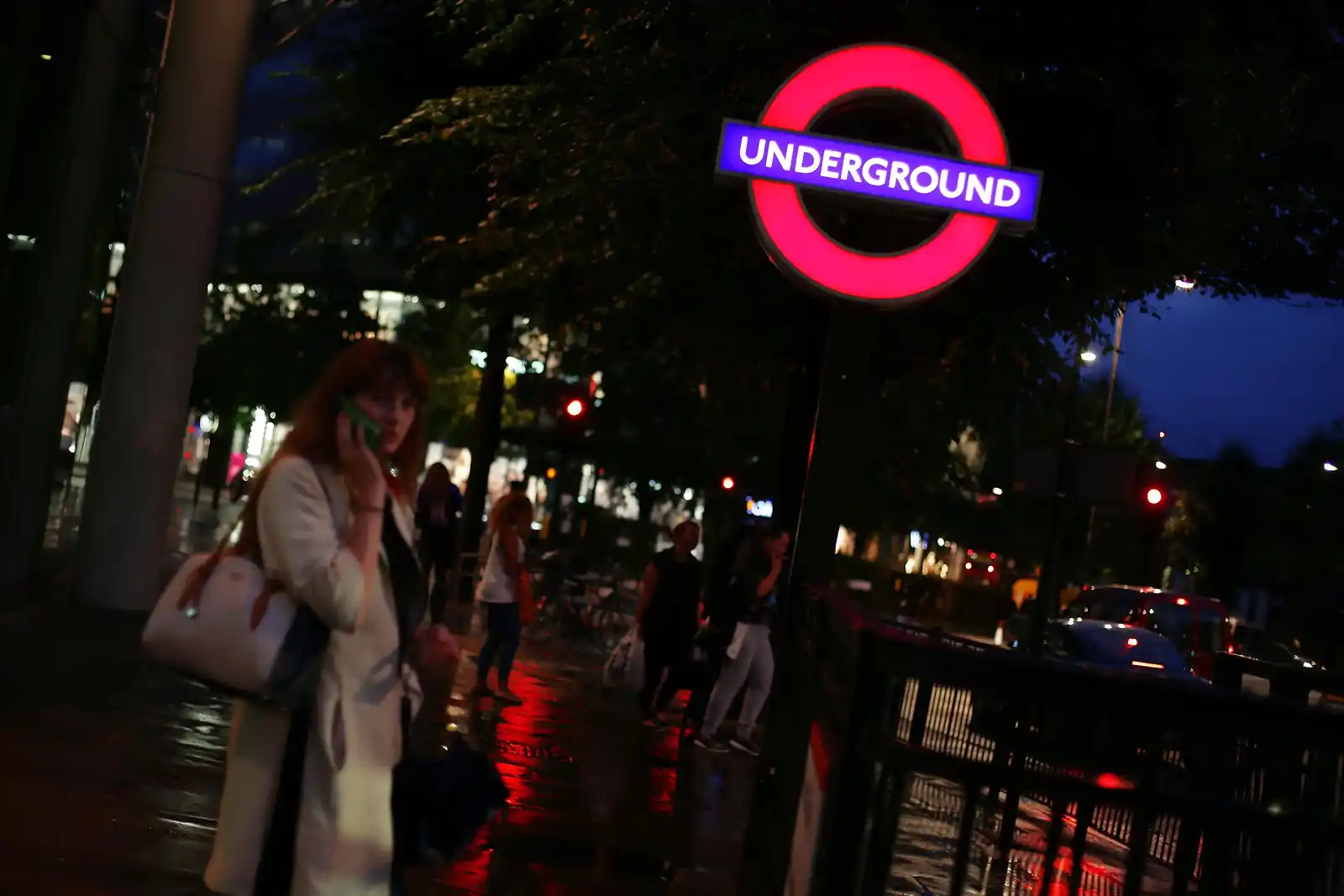
Passengers urged to plan ahead because of expected disruption to services.
London Underground drivers staged the first of a series of 24-hour strikes on Thursday, disrupting services across the capital.
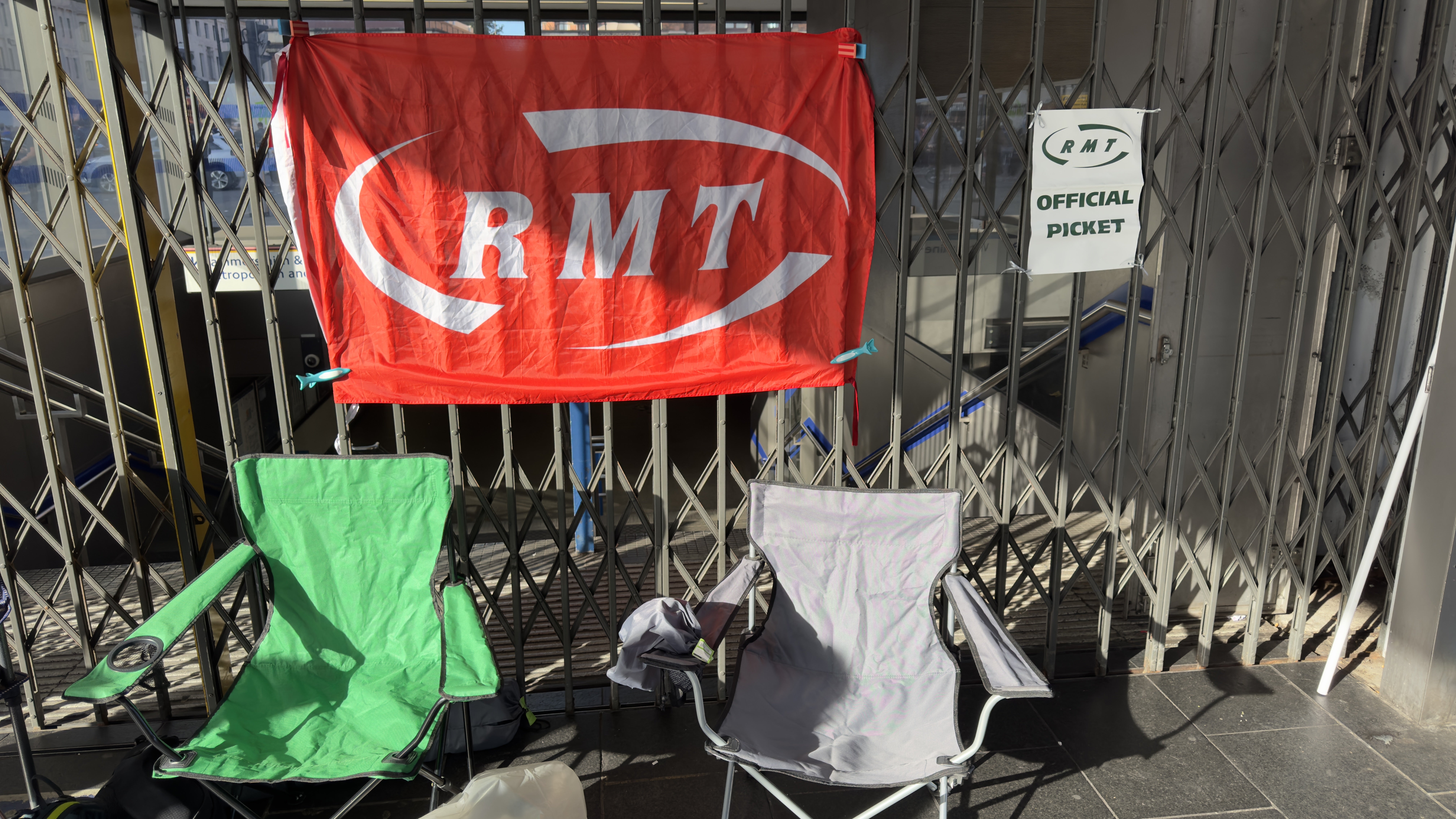
Members of the Rail, Maritime and Transport union (RMT) walked out at 12 noon after talks failed to resolve a dispute over a four-day week.
Transport for London (TfL) advised passengers to check before they travel, warning of disruption before, during and after the strike.
Tube services started to reduce before the strike started and disruption will continue until Friday afternoon.
Aslef has backed the proposals and its members will be working normally after officials expressed surprise that the RMT was striking over four day week.
Aslef made no comment on the strike today, but Finn Brennan, the union’s organiser on LU said previously: “The voluntary four day week gives Tube drivers an extra 35 days off every year with rosters based on a 34 hour week in return for some changes to working conditions and moving to electronic rather than paper-based systems for booking onduty.
“A strike designed to stop people having the choice of a shorter working week and more time off is a strange choice to make.”
The RMT called on London Mayor Sadiq Khan to step in to help resolve the dispute, saying managers had been left to handle the dispute “without direction.”
A spokesperson for the Mayor said: “Nobody wants to see strike action, which has a serious impact on Londoners, businesses and commuter.
“The Mayor urges the RMT and TfL to keep talking and resolve this matter so we can avoid disruption and keep London moving.”
No service is expected on the Circle or Piccadilly lines throughout the day or on the Waterloo & City line after midday.
TfL said it had revised proposals for a voluntary four-day week for train drivers, with an option to remain on a five-day week with a guarantee of remaining at the same depot now part of the proposal.
Nick Dent, director of customer operations for London Underground, stressed that the proposals were voluntary and denied union claims that drivers were being asked to spend more time driving trains, increasing levels of fatigue.
He told the Press Association: “We have made some significant changes to our proposals and have asked the RMT to put these to their members.
“The proposals will lead to a more reliable service and will improve work/life balance.”
RMT general secretary Eddie Dempsey said: “This is not about improving work-life balance.
“It is about squeezing more work out of fewer drivers while giving management greater flexibility at the expense of our members.”
More 24-hour strikes are planned on December 17 and 19, January 4 and 6 and February 17, 23 and 25.
Ruth Duston, chief executive of London Heritage Quarter, which represents 7,000 businesses in London, including in Victoria, Westminster and Whitehall, said: “Businesses across the capital rely on the Tube to bring in hundreds of thousands of staff, customers and visitors every single day.
“This disruption will be hugely damaging for them during such an important trading period, and negotiations must resume to limit the economic impact on businesses across the capital.”
LU said later it was exceeding its planned number of services on every line, with some Tubes running on the Piccadilly line.
Mr Dent said later: “We apologise to customers and businesses for the disruption they are experiencing due to the strike action by the RMT.
“I am pleased that we have been able to offer a better service across the network than we had anticipated, particularly on the Piccadilly line where we are offering an end-to-end service despite this action.
“The number of drivers who have come to work today shows that there is a difference in views among drivers on our four-day week proposals and we urge the RMT to put the proposals, which have changed significantly since they were last balloted, to their members.”