Budget measures to include fuel duty freeze and food tariff cuts


The BBC understands the government will also freeze fuel duty again in the Budget.
Making higher tax-free mileage rates permanent and the removal of import taxes on some food items are among the measures being announced ahead of Wednesday's Budget.
The BBC understands the government will also freeze fuel duty again in the Budget, while the Times reports, external it may also slow the pace of pay increases for younger workers on the minimum wage.
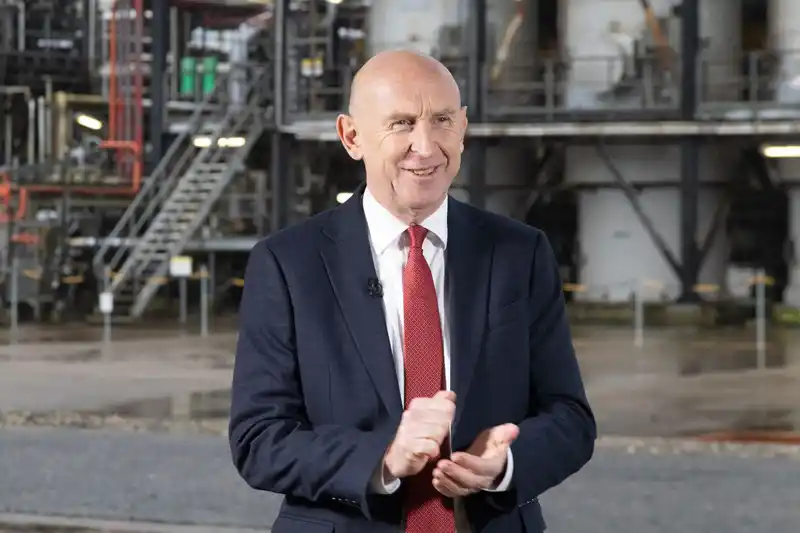
The series of small announcements are part of Chancellor John Healey's pledge to give families what he is calling "breathing space" with the cost of living.
The government is also planning to end the so-called cliff-edge for those receiving carer's allowance payments.
Removing tariffs from 100 food items could save households up to £21 per year when combined with existing tariff suspensions that were introduced in June and applied to products including pasta, fruit juice and tuna, according to the government.
Healey said that the ongoing wars in Iran and Ukraine had "hit families here at home through higher everyday costs".
"We can't control global events, but we can act where we can make a difference," he added.
Other measures the government announced include:
Making permanent a 55p per mile tax-free mileage rate for those driving up to 10,000 miles for work, with the rate rising from 25p per mile to 35p above that
Allowing carers to earn more than an existing earnings limit without losing their entire allowance, replacing it with a taper mechanism instead
Giving two weeks of paternity pay to self-employed fathers, who have previously missed out on payments of up to £194 a week for the period
And rolling out hundreds of additional Post Office drop boxes to make sending parcels easier
The government will also freeze fuel duty again in the Budget, the BBC understands. The 5p duty discount is also set to continue. That discount was first introduced in 2022, and was due to last 12 months, but has been extended ever since.
The Times has reported that the government may slow the pace of pay increases for people aged between 18 to 20 years-old who receive the National Minimum Wage.
It reports that pay for that age group is likely to rise by 3.9% from £10.85 an hour to around £11.27, when the chancellor makes the announcement during the Budget.
It is far below the 26% increase in the National Minimum Wage the Labour government has announced since returning to power in 2024.
Labour had promised in its manifesto it would remove "discriminatory age bands so all adults are entitled to the same minimum wage".
But even after the reported rise, the rate remains below the National Living Wage which applies to over 21-year-olds and is currently £12.71 an hour. This rate is set to rise by 3.9% to £13.20, the Times said.
The list of products the government is removing tariffs on includes:
Garlic
Gherkins
Chocolate-coated wafers and waffles
Boiled sweets
Toffees, caramels and similar sweets
Citrus jams, marmalades and pastes
Throat pastilles and cough drops
Plant-based drinks including soya, nut, cereal or seed
Kerosene
Fertilisers
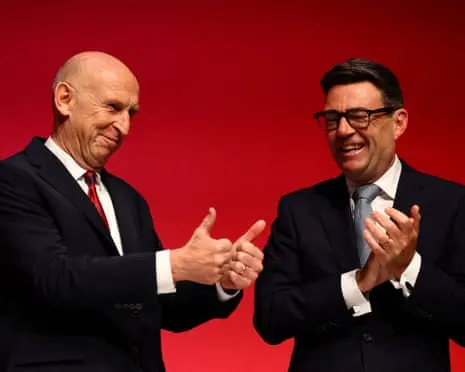
Prime Minister Andy Burnham said: "We are taking on the big challenges facing the country. But that doesn't mean losing sight of the everyday problems that cost people money or simply aren't fair.
But the Conservatives said Burnham's "everyday fixes" had already been wiped out by higher borrowing costs, taxes and inflation.
Shadow chancellor Andrew Griffith said: "Shoppers face rising costs at the till and families are struggling to make ends meet, but Burnham's plan is cheaper gherkins. This is an insult to families hammered by Labour's tax rises."
Related Articles
- Business News
Five key tax talking points before next week’s budget
- Business News
What is the state of the UK economy heading into next week’s Budget?
- Business News
Budget 2026: 'Surrey is a lovely place - but it can be stressful'
- Business News
Can John Healey make a dent in the cost of living crisis in his first budget?
- Business News
Budget 2026: No more fat to trim for 'squeezed middle'